Endoscopic Spine Surgery (ESS)
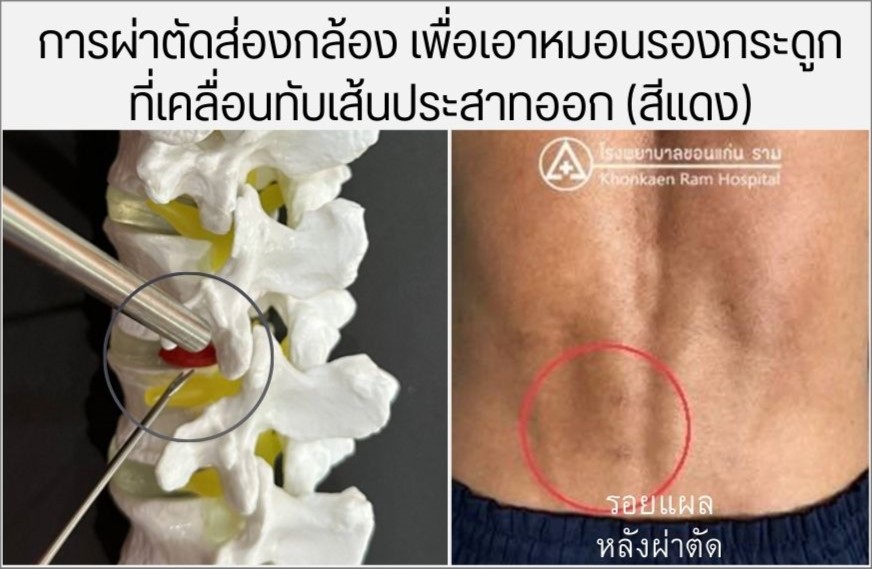
Endoscopic Spine Surgery is a minimally invasive technology that utilizes an endoscope—a thin, pen-sized tube equipped with a high-definition lens and fiber-optic lighting. Through a tiny incision, the surgeon inserts the scope and specialized instruments to clearly visualize the spinal pathology. This precision allows for the selective removal of only the problematic tissue while preserving the surrounding healthy structures. Consequently, patients experience minimal pain, a faster recovery, and nearly invisible surgical scars, allowing a quick return to their normal lifestyle.
Common Conditions Treated with Endoscopic Surgery:
- Herniated Disc: A condition where the spinal disc presses on a nerve.
- Spinal Stenosis: The narrowing of the spinal canal.
- Spondylolisthesis: A condition where a vertebra slips out of place onto the bone below it.
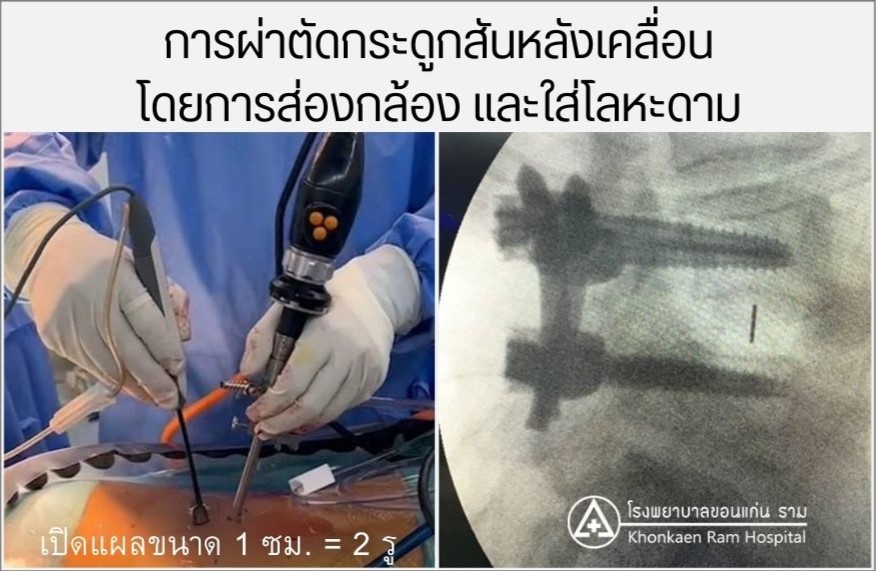
Surgical Procedure
- Anesthesia: The procedure is performed under general anesthesia for patient comfort.
- Small Incisions: The surgeon makes two tiny incisions (approximately 1 - 1.5 cm each) to insert the endoscope and surgical tools.
- Duration: The surgery typically takes about 1–2 hours, depending on the complexity of the case.
- Recovery: After the procedure, the patient is monitored in the recovery room for about 2 hours before being moved to their private room. Most patients only require a 1–2 day hospital stay before being discharged.
Post-Operative Self-Care
During the first 2 weeks after surgery, patients should follow these guidelines:
- Do not lift heavy objects.
- Avoid excessive bending, twisting, or rotating of the spine.
- Avoid straining during bowel movements or coughing forcefully.

Call us