Peripheral Magnetic Stimulation
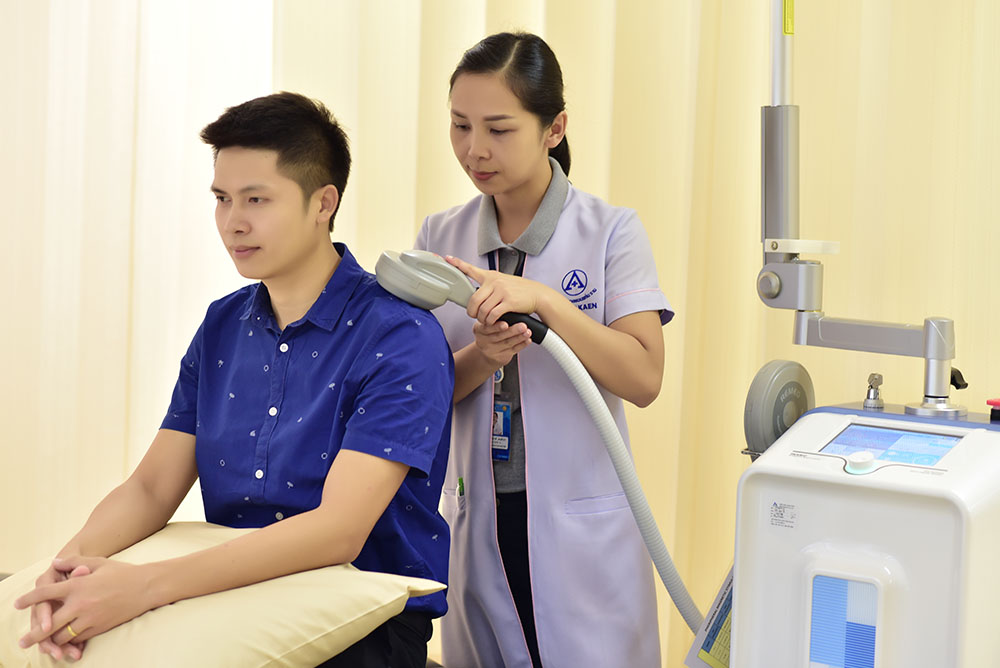
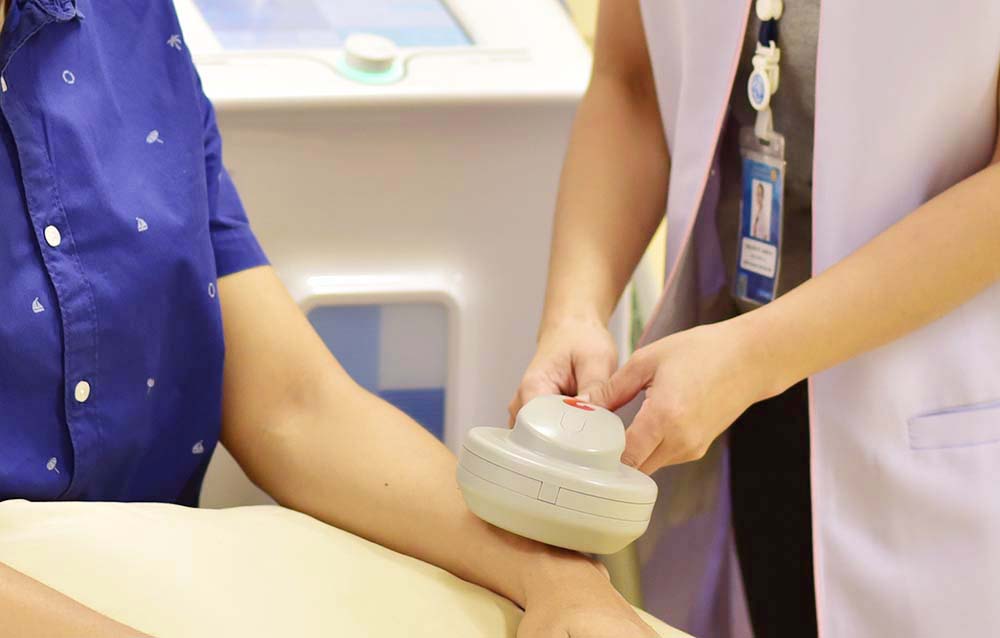
PMS (Peripheral Magnetic Stimulation) is an advanced medical technology used to treat pain using high-intensity electromagnetic energy. This energy can penetrate through clothing and reach deep tissues and bones up to 10 cm. The PMS waves directly stimulate the nerves, triggering a "Depolarization" process that activates tissues in the painful area and enhances blood circulation within the muscles. The procedure is non-invasive, does not damage surrounding organs, and provides a relaxing sensation during treatment.
PMS is effective for treating pain originating from both neurological systems and non-neurological sources, such as muscles and bones.
Treatment Duration
Each session typically takes between 5 to 30 minutes. The frequency of treatment depends on the individual's symptoms and the physician's recommendation. The device is highly safe and has received **FDA approval**.
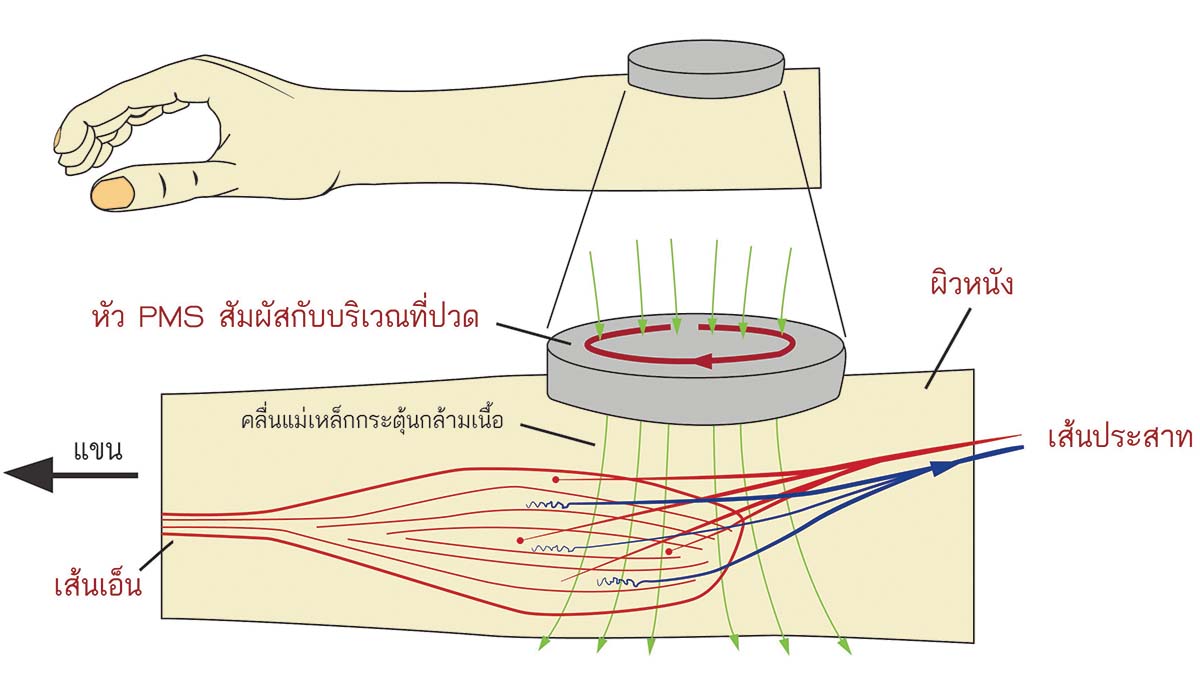
Which conditions benefit most from PMS?
- Patients with neurological pain or numbness, such as:
- Cervical or lumbar spondylosis (nerve compression).
- Herniated discs (Slipped discs).
- Numbness, pain, or spasticity from stroke (hemiparesis/hemiplegia).
- Peripheral nerve injuries in arms or legs.
- Acute and chronic pain in muscles, tendons, and joints.
- Sports-related injuries.
- Office Syndrome.
- Increasing muscle strength and delaying muscle atrophy in stroke patients.

Advantages of PMS Treatment
Immediate results can often be felt after the first session.
Extremely time-efficient, requiring only about 5–10 minutes per treatment point.
High efficacy with fewer required sessions compared to some traditional methods.
Effective for acute, sub-acute, and chronic conditions.
|
|