Allergies Can Be Treated
What is Allergy Immunotherapy?
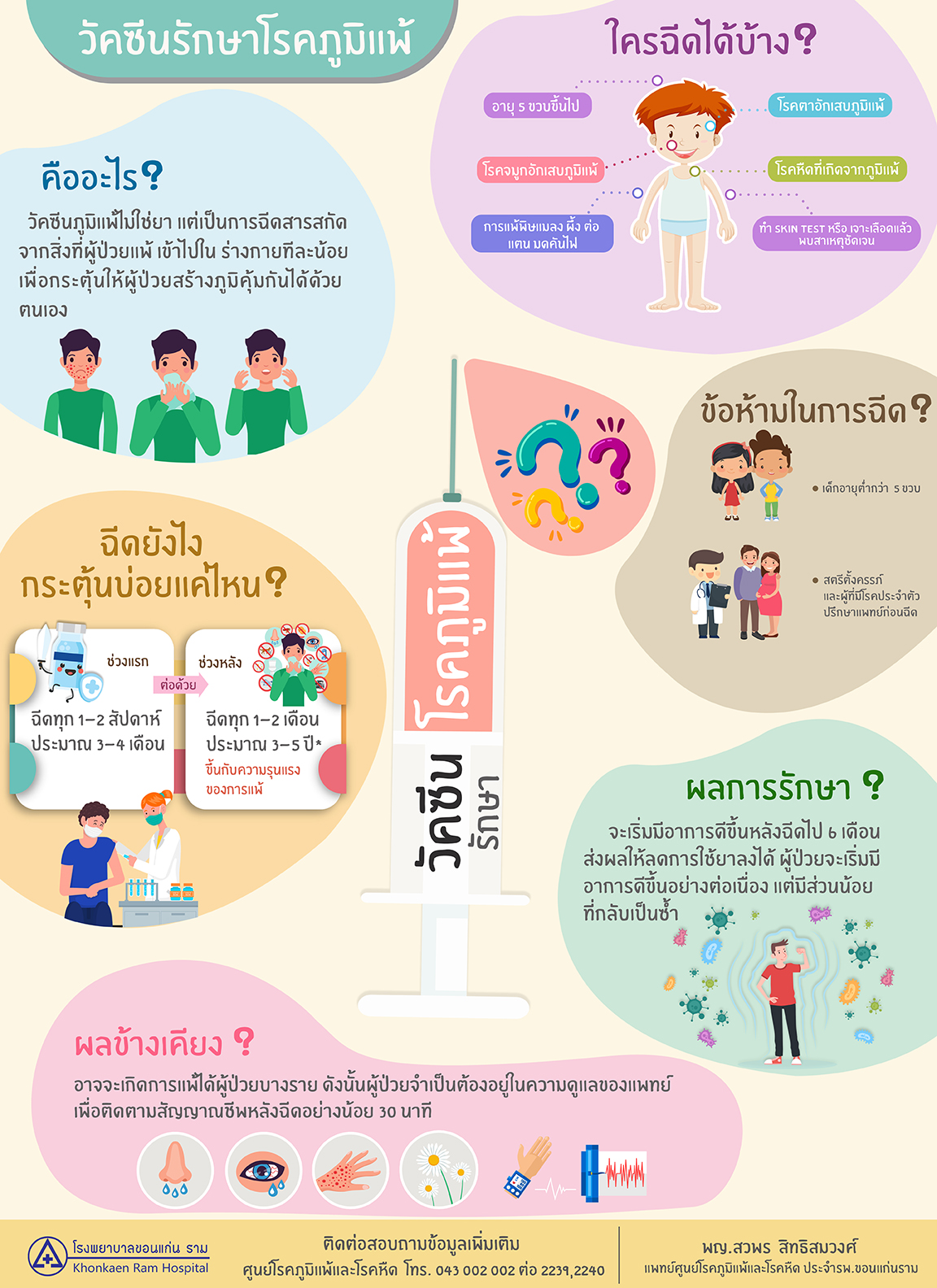
Allergy Immunotherapy involves injecting the specific allergens a patient is allergic to into the body in gradually increasing amounts. This triggers a change in the body's immune system, resulting in improved symptoms and a decreased need for medication. It is highly effective for patients allergic to pollen, dust mites, cockroaches, dog/cat dander, mold, and insect venom.
Patients must undergo a Skin Prick Test to confirm their specific allergens before immunotherapy can begin.
Benefits of Allergy Immunotherapy
- Improves symptoms after allergen exposure and reduces dependence on medication. Some patients may achieve full remission from allergies.
- Reduces the likelihood of developing new allergies to different substances.
- Helps prevent patients with allergic rhinitis (nasal allergies) or allergic conjunctivitis (eye allergies) from developing asthma in the future.
Immunotherapy is effective for allergic rhinitis, allergic conjunctivitis (itchy/irritated eyes), controlled allergic asthma, and insect venom allergies. However, it is NOT effective for food allergies, hives (urticaria), or atopic dermatitis (eczema).
How long is the treatment, and how often are the visits?
The treatment is divided into two phases:
1. Build-up Phase: Lasts approximately 2-3 months, with injections scheduled every 1-2 weeks as the dose is gradually increased.
2. Maintenance Phase: Lasts approximately 3 years, with injections scheduled every 4-8 weeks (depending on the specific allergen and individual response).
Results are typically noticeable within 6 months, but it is necessary to continue maintenance doses for a total of 3 years to ensure long-term tolerance to the allergen.
After completing the course, most patients experience sustained improvement, though some may see a recurrence of symptoms over time.
Side Effects of Allergy Immunotherapy
Local reactions include swelling, redness, pain, or itching at the injection site, usually appearing within 30 minutes. Less common are severe allergic reactions (shortness of breath, chest tightness, hives, facial swelling, fainting, or anaphylactic shock), which typically occur within 30 to 60 minutes after the injection. Therefore, patients must remain at the healthcare facility for 30 minutes post-injection for monitoring of pulse, blood pressure, breathing, and lung function. If no symptoms occur, the patient may go home. Any abnormalities must be reported to the physician immediately.