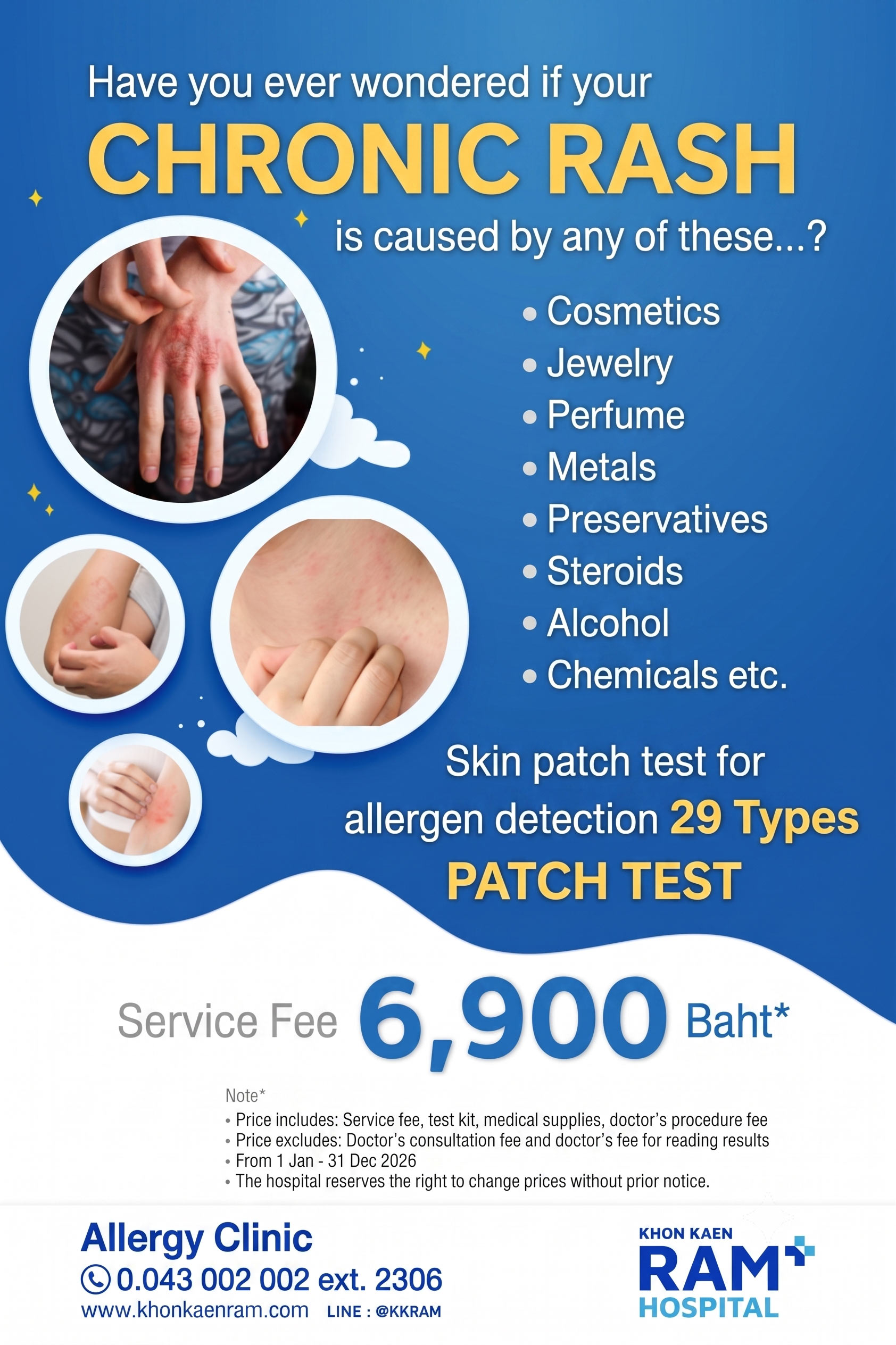
What is a Patch Test?
It is a skin allergy test that involves applying test substances to the skin to see which substance causes an allergic reaction or rash. Common substances that cause allergies include:
- Irritants such as alcohol, bleach, preservatives, and pesticides.
- Allergens such as nickel, fragrances, cosmetics, sunscreens, hair dyes, certain oral medications, and everyday chemicals.
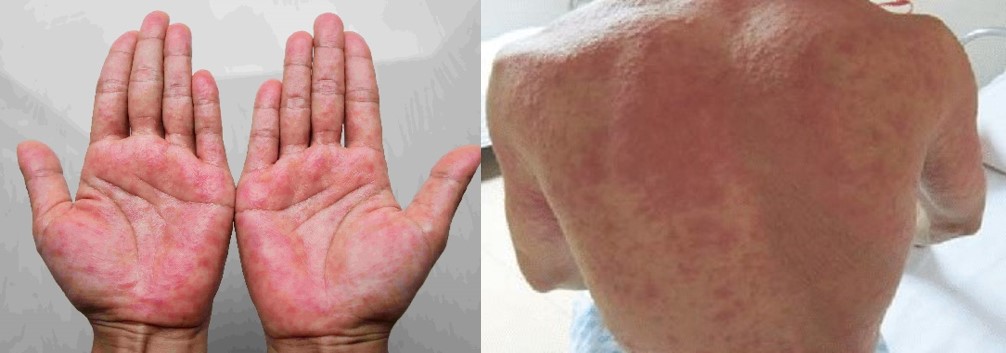
Differences Between Various Allergy Testing Methods
On the skin: Allergy Skin Test, Blood draw: Allergy Blood Test, Applied to skin: Patch Test

Who is a Candidate for a Patch Test?
- Individuals with long-term dermatitis suspected to be caused by an allergen.
- Those with chronic dermatitis, especially on the hands, feet, face, or eyelids.
- Those with dermatitis of an unknown cause.
- Individuals with worsening dermatitis.
- Patients with other skin conditions such as atopic dermatitis, various types of eczema, and psoriasis who suspect their condition is worsened by contact dermatitis.
- The test is not performed on pregnant women.
- Individuals who suspect they may have a hypersensitive reaction to an allergen should consult a doctor before undergoing the test.

Preparation
- You should bring any products or items you suspect might be the cause of your allergy, along with their packaging and labels. Examples include jewelry, cosmetics, toothpaste, soap, creams, topical medications, clothing, etc.
- Stop using steroid medications before the test as follows:
- Oral steroids: for at least 2 weeks.
- Topical steroids: on the test area (the back) for at least 1 week.
- Avoid sunbathing or exposing your back to the sun for about 1 week before the test.
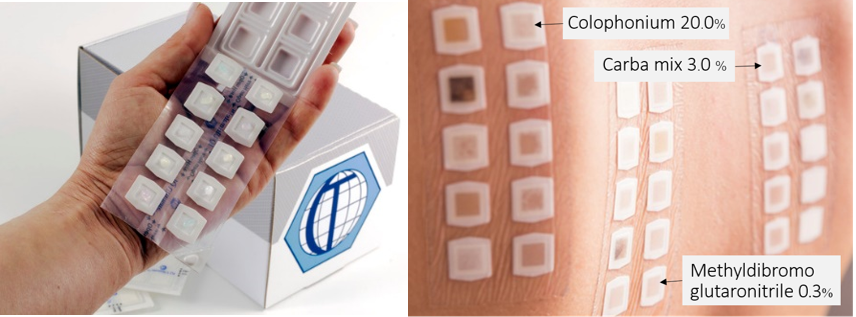
Patch Test Procedure
- The doctor will place 29 types of test substances (or suspected allergens) onto a test patch and apply it to the skin on the patient's back. It will be left in place for **48 hours** to allow the skin to react, and an appointment will be scheduled to read the results.
- The patient must see the doctor at least **two times**:
- Day 1: Application of test substances to the skin.
- Day 3: The doctor schedules the first reading of the results (after 48 hours).
- Throughout the testing period, care must be taken to prevent the tested skin area from getting **wet or sweaty**. Avoid sports, sauna use, etc. If itching occurs, do not scratch; antihistamines may be taken.
- At the end of the test, the doctor will inform the patient of the results, specifying which substances they are allergic to and in which common household items or products they are found, so the patient can avoid contact with those allergens.
Example
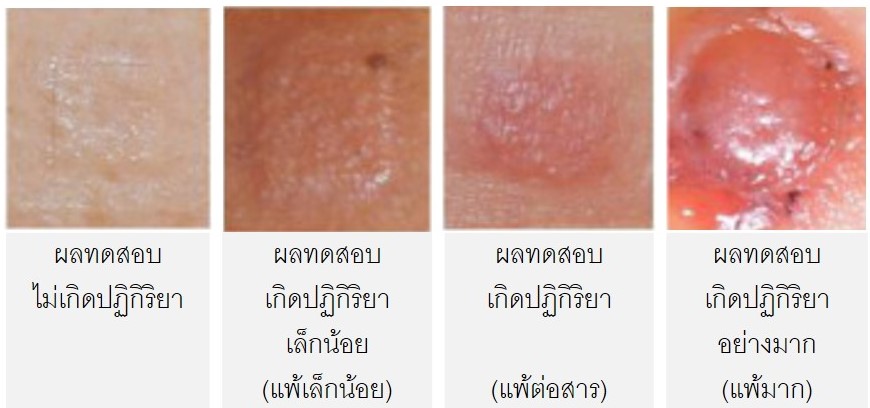
Patient is allergic to **Nickel**: Nickel is an element found in metal alloys to make them harder. It is found in everyday items such as faucets, door knobs, keys, watches, necklaces, earrings, zippers, etc. It is also found in foods such as soybeans, shallots, oysters, canned foods, etc.
The test result is shown in the image below. Allergy reactions may differ among individuals.
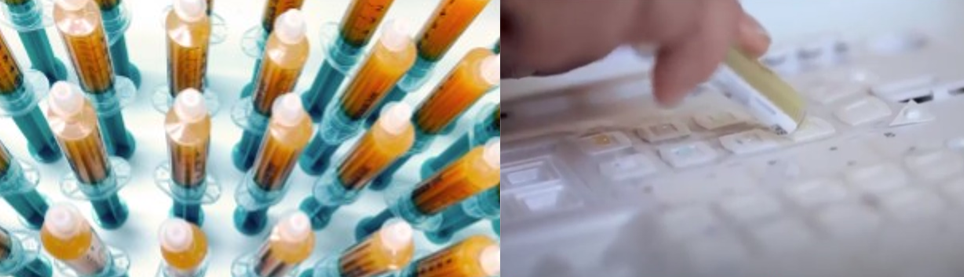
The 29 Test Substances (Allergens) include:
Notes
- The price **includes** the cost of the test kit, medical supplies, doctor's procedure fees, and service fees.
- The price **does not include** the doctor's consultation fee and the fee for the doctor to interpret the test results.
- Prices are valid from January 1 to December 31, 2026.
- The hospital reserves the right to change prices without prior notice.
For More Information
- Allergy and Asthma Clinic, 2nd Floor, Building 1, Tel. 043 002 002 ext. 2306
- Health Information Service Center, ext. 1905

Call us