Heat Rash (Miliaria)
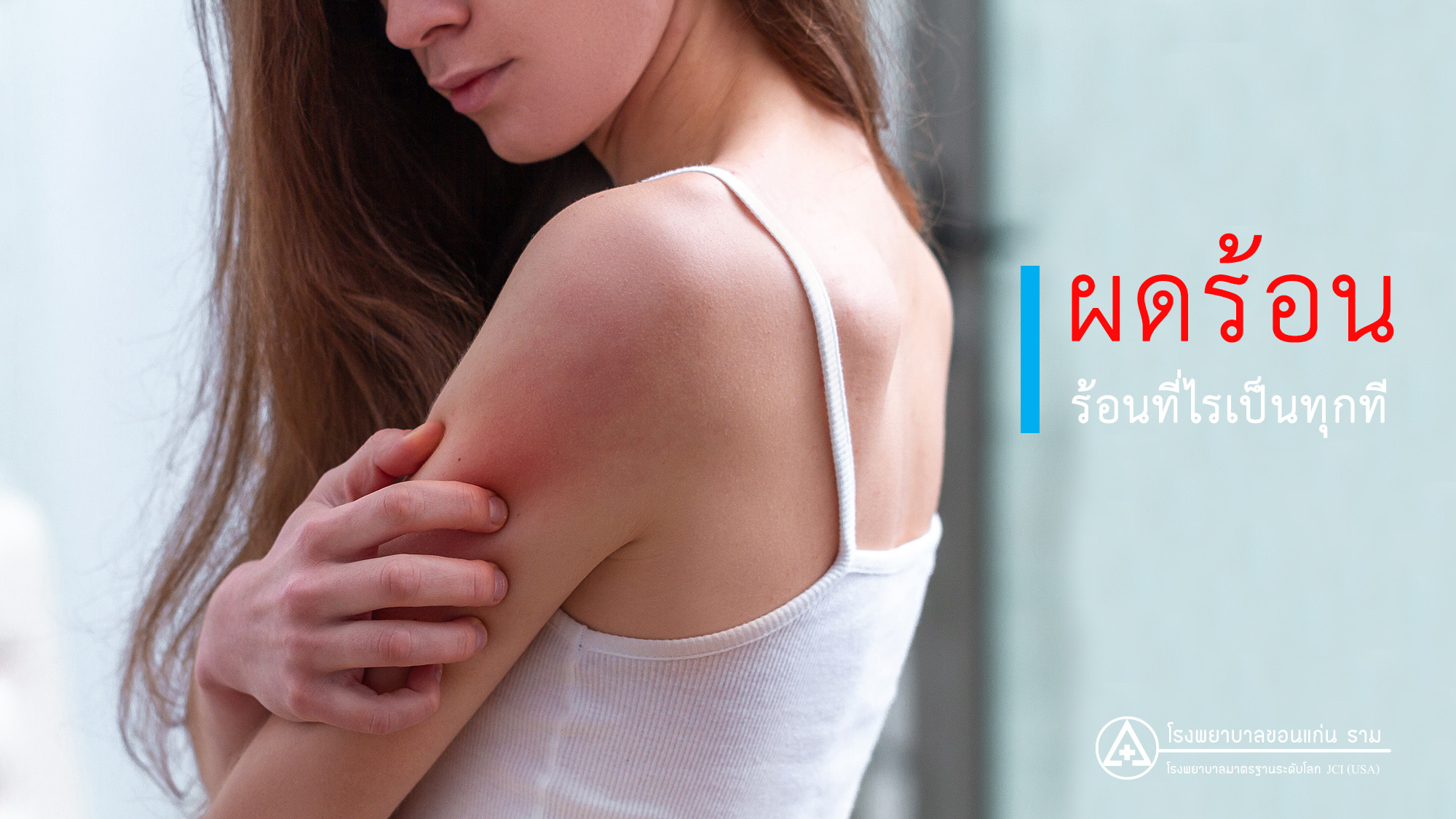
Heat rash and summer often go hand in hand, affecting both children and adults. Known medically as Miliaria, it is caused by the blockage of sweat ducts, which prevents sweat from reaching the skin's surface to evaporate.
Causes of Heat Rash
Heat rash occurs when pores become clogged, trapping sweat beneath the skin. It is most common in hot, humid tropical climates, after intense exercise, or from wearing clothes that trap heat. Using thick, heavy lotions and creams can also lead to blockages. In infants, heat rash is frequent because their sweat ducts are not yet fully developed.
Types of Heat Rash
There are 4 types, categorized by the depth of the sweat duct blockage:
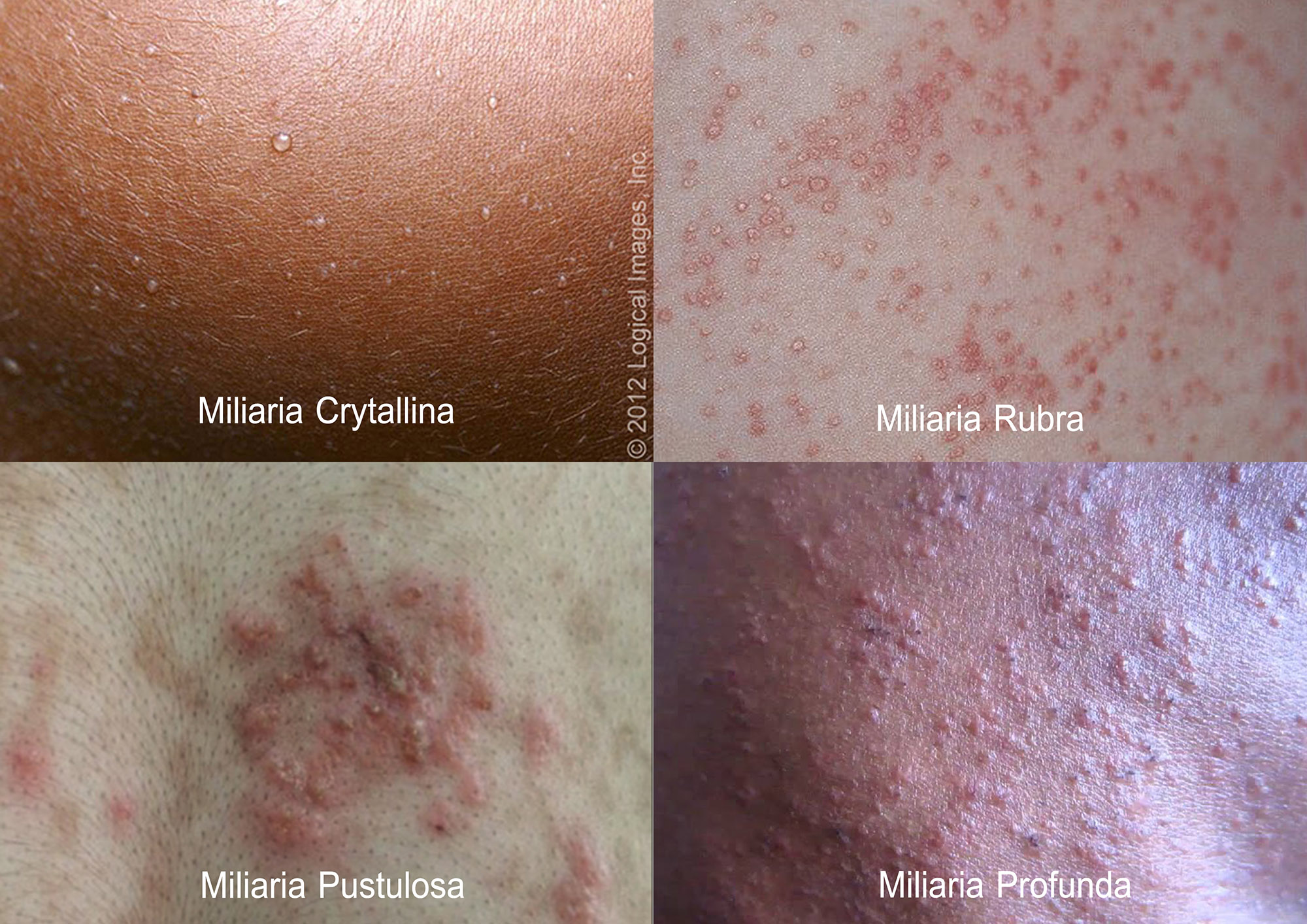
- Miliaria Crystallina: The shallowest form of blockage. It appears as tiny, clear, fluid-filled blisters that break easily when touched or during bathing. It isn't itchy and usually heals on its own. In children, it often appears on the head, neck, and upper trunk.
- Miliaria Rubra: The most common type, widely known as "prickly heat." The blockage occurs deeper in the epidermis. It presents as red, itchy bumps that may cause a stinging or "prickling" sensation. It typically appears on the upper trunk in both children and adults.
- Miliaria Pustulosa: This occurs when Miliaria Rubra becomes severely inflamed or remains for a long time, turning into small pustules. It can sometimes be complicated by a secondary bacterial infection from scratching.
- Miliaria Profunda: A rarer form that results from chronic, recurring heat rash. The blockage is at the deepest level of the skin. It appears as firm, flesh-colored or white bumps (1-3 mm) and is most often found on the trunk and upper legs.
Prevention
- Avoid excessively hot environments, especially during the summer. Stay in well-ventilated or air-conditioned rooms.
- Wear loose-fitting, lightweight, and breathable fabrics like cotton.
- Take cool baths or use cool compresses to lower skin temperature. Use mild soaps that do not dry out the skin.
- Avoid heavy, oil-based creams or ointments that can clog pores.
When to See a Doctor
Heat rash usually clears up on its own within a few days. However, you should consult a doctor if you experience:
- Fever or chills.
- Pus draining from the bumps.
- Increased pain or swelling in the affected area.
- Severe redness or persistent inflammation.
- The rash does not improve after several days.
- Recurring episodes of heat rash.