Dental Tartar (Calculus)
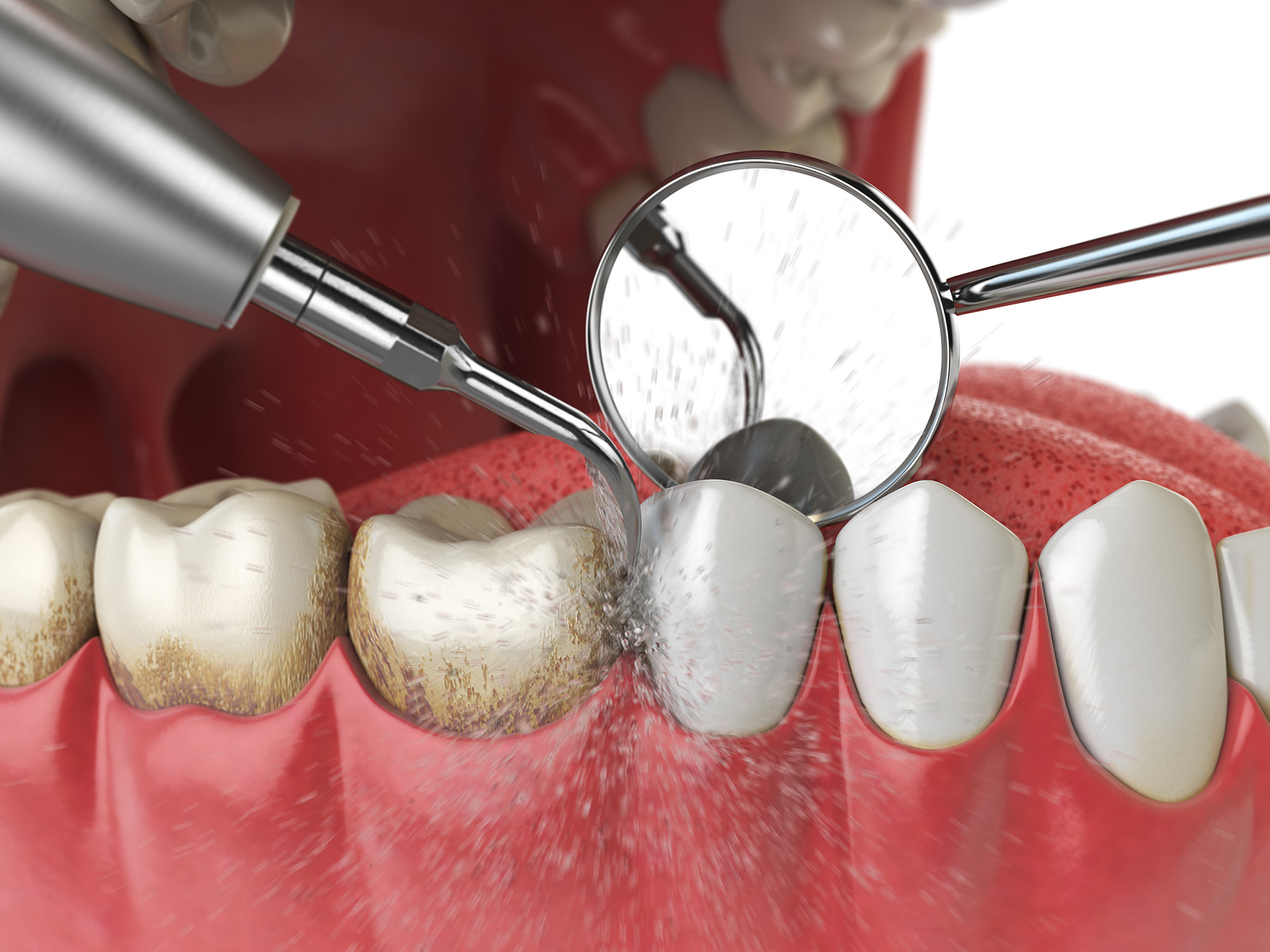
Where does dental tartar come from? How does it cause gum disease? And more importantly, how can you prevent it?
The Formation of Tartar and Plaque
- Tartar originates from dental plaque (also known as Bacterial Plaque or Biofilm).
- Microorganisms in the mouth feed on sugars from the food we eat to create energy. The by-products of this process are toxins (which cause gum inflammation) and acids (which trigger tooth decay).
- While fresh plaque is soft and easy to remove with brushing and flossing, once it hardens into tartar, it binds tightly to the tooth surface and can only be removed by a dentist through professional scaling.
Plaque becomes mineralized by the minerals in your saliva, turning into hard tartar. This buildup can occur both above the gumline (supragingival) and below the gumline (subgingival).
Side Effects of Neglecting Tartar Removal
- Bleeding gums during brushing.
- Gingivitis (swollen, red, or inflamed gums).
- Gum recession (gums pulling away from the teeth).
- Pus discharge from the gum pockets.
- Chronic bad breath (halitosis).
- Loose or shifting teeth.
- Gaps appearing between teeth as supporting bone is lost.
Professional Dental Scaling
A dentist uses specialized tools to remove tartar from above and below the gumline. If tartar has reached deep into the gum pockets, Root Planing (deep cleaning) may be required. A typical session lasts 20–30 minutes, though severe cases may require multiple visits. Follow-up appointments are usually scheduled 4–6 weeks later to monitor healing. In cases of advanced periodontitis where bone loss has occurred, gum surgery may be necessary based on the dentist's assessment.
Can patients with bleeding disorders undergo scaling?
Patients taking anticoagulants (blood thinners) may need to pause their medication under medical supervision to prevent uncontrolled bleeding. Those with blood disorders must consult their primary physician to coordinate a treatment plan with their dentist.
Prevention and Maintenance
- Mouthwash: Contrary to popular belief, mouthwash is primarily for those who cannot brush normally or are recovering from oral surgery (like wisdom tooth removal). Long-term use of certain mouthwashes can stain teeth or disrupt the healthy balance of oral bacteria. Dentists generally do not recommend it as a replacement for brushing.
- Routine Care: Brush at least twice a day (morning and before bed). Use dental floss or interdental brushes to clean between teeth.
- Check-ups: Visit your dentist for a professional cleaning and examination at least twice a year.