Sinus Treatment with "Full House FESS" Surgery
This is a surgical procedure performed using an endoscope—a small, magnifying camera used to examine lesions within the nasal cavity and sinuses. This allows the surgeon to visualize the surgical site with extreme clarity while utilizing high-efficiency surgical instruments, such as the Microdebrider. Specifically designed for this type of surgery, the Microdebrider effectively removes diseased tissue. Since the procedure is performed entirely through the nostrils, there are no external skin incisions. This results in minimal side effects, reduced bleeding, and less post-operative pain. Patients experience faster recovery and a quicker return to normal nasal breathing.

Preparation and Surgical Steps
- Patients must prepare for surgery one day in advance and typically stay in the hospital for 1–2 days post-operation.
- The procedure is performed under general anesthesia or local anesthesia, managed by an anesthesiologist and a specialized medical team.
- The surgery takes approximately 1–3 hours, depending on the severity of the condition.
- After surgery, the surgeon will place nasal packing (hemostatic material) inside the nasal cavity for 24–48 hours. Patients may need to breathe through their mouth during this time.
- For the first 24–48 hours post-surgery, patients should keep their head elevated while sleeping to reduce swelling and bleeding at the surgical site.
- Once the nasal packing is removed, the doctor will evaluate the patient for discharge.
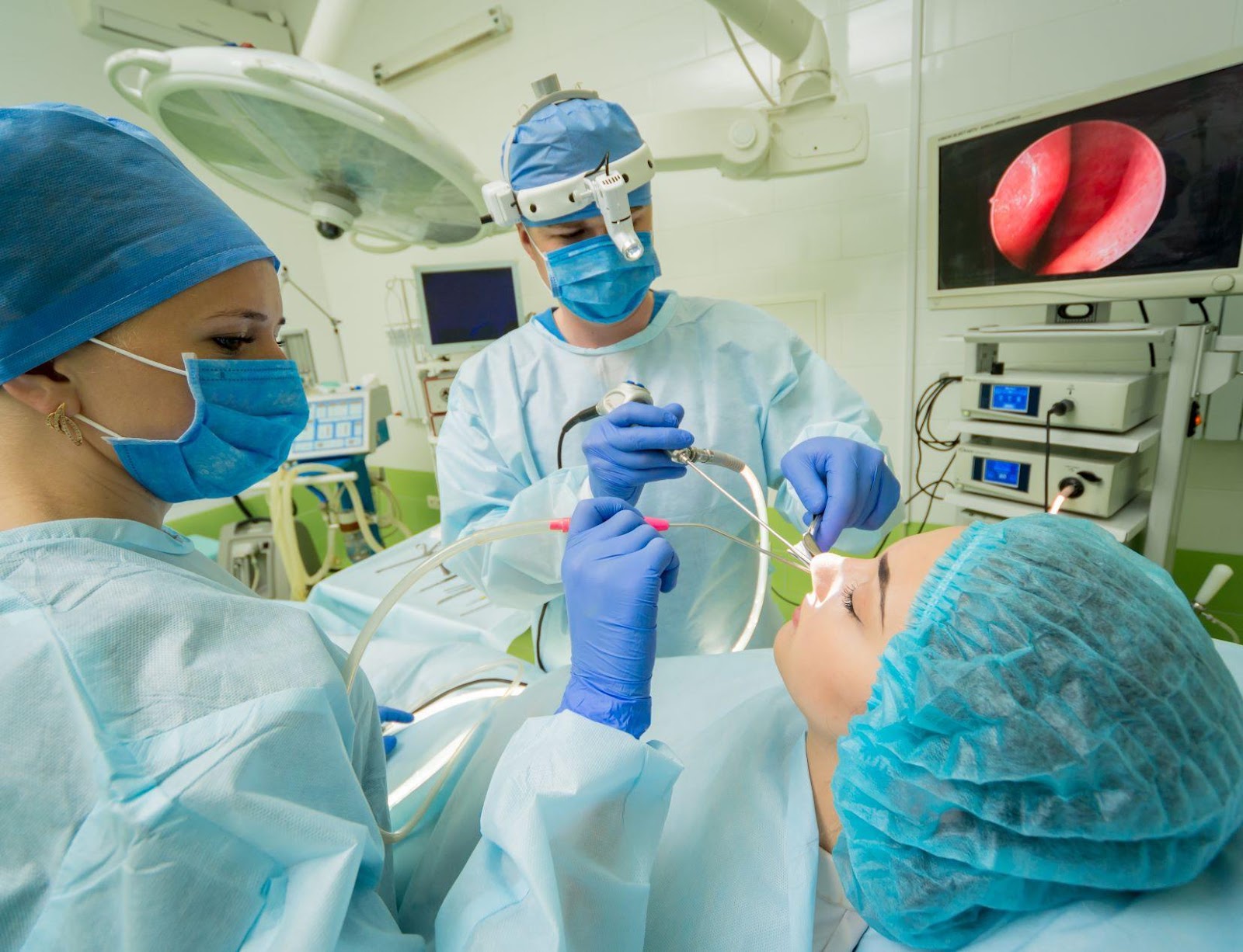
In addition to treating chronic sinusitis, endoscopic endonasal surgery is used to treat various other conditions within the nasal cavity and sinuses, including nasal polyps, a deviated nasal septum, and nasal tumors. It is also used for procedures requiring orbital decompression, such as in cases of thyroid eye disease. The use of an endoscope provides a direct and clear view, especially in areas that cannot be seen with the naked eye. This ensures a more accurate pathological assessment and a highly precise surgical treatment within the nasal passages and sinuses.
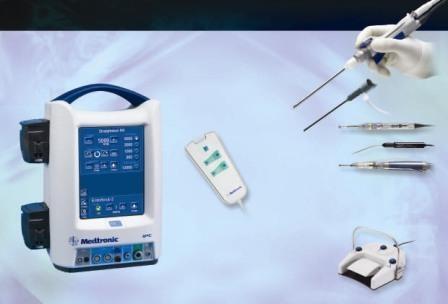
Microdebrider Surgical Instrument