Gastroesophageal Reflux Disease (GERD)
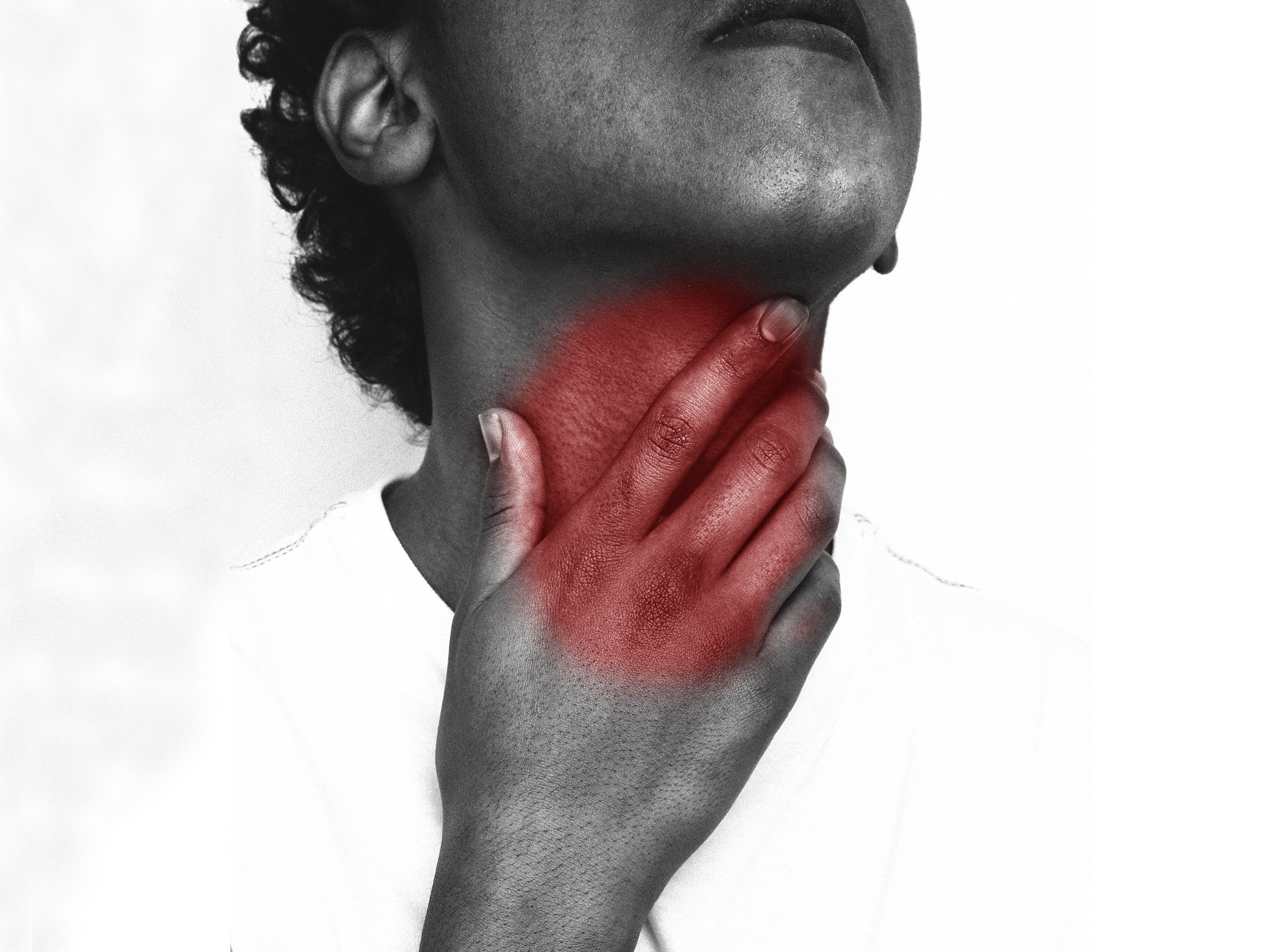
GERD might sound unfamiliar, but for urban dwellers living a fast-paced life, it is a common consequence of rushed meals and constant stress. These lifestyle factors can lead to unexpected health issues, most notably Gastroesophageal Reflux Disease.
Why Does Acid Reflux Occur?
GERD is common among working professionals. It occurs when stomach acid or digestive juices abnormally flow back up into the esophagus.
This condition can happen during the day or night, even when the patient hasn't eaten. The acid causes irritation, which may lead to esophagitis (inflammation of the esophagus) with or without ulcers.
If the acid rises above the Upper Esophageal Sphincter (UES), it can cause extra-esophageal symptoms affecting the lungs, throat, and larynx.
Normally, the body has mechanisms to prevent reflux, such as esophageal contractions, the function of the upper and lower esophageal sphincters, and a protective mucosal lining.
GERD is believed to be caused by the abnormal relaxation of the Lower Esophageal Sphincter (LES), allowing acid to easily move up into the esophagus.
In healthy individuals, acid reaching the pharynx triggers the UES to contract as a safeguard. In GERD patients, this protective system is compromised, allowing acid to reach the throat, voice box, and lungs.
Who is at Risk?
Observe your symptoms through these two categories:
1. Pharyngeal and Esophageal Symptoms
Heartburn (burning sensation in the chest or pit of the stomach), which may radiate to the neck. Feeling of a "lump" in the throat, difficulty or pain when swallowing. Chronic sore throat or a burning tongue, especially in the morning. A bitter (bile) or sour (acid) taste in the mouth. Persistent phlegm or throat irritation. Frequent burping, nausea, or a feeling of fullness/indigestion.
2. Laryngeal and Pulmonary Symptoms
Chronic hoarseness (especially in the morning) or voice changes. Chronic cough, nighttime choking/coughing fits, or frequent throat clearing. Chest pain, recurrent pneumonia, or worsening of pre-existing asthma.
Treatment Recommendations
1. Lifestyle and Habit Modifications
This is the most critical part of treatment. These changes reduce acid production and prevent reflux, significantly improving quality of life. These habits should be maintained lifelong, even after symptoms disappear.
Personal Habits
- Weight Management: If overweight, losing weight reduces abdominal pressure that forces acid upward.
- Dress Comfortably: Avoid tight clothing, especially around the waist.
- Stress & Smoking: Manage stress and quit smoking, as both trigger increased acid secretion.
Eating Habits
- Post-Meal Activity: Avoid lying down, exercising, lifting heavy objects, or bending over immediately after eating.
- Late Meals: Avoid late-night snacks; do not eat at least 3 hours before bedtime.
- Diet: Eat low-fat foods. Avoid fried/oily foods, onions, garlic, tomatoes, chocolate, mint, butter, and spicy/sour/salty/overly sweet flavors.
- Portion Control: Eat smaller, more frequent meals rather than large feasts.
- Beverages: Limit coffee, tea, soft drinks, and alcohol, especially in the evening.
Sleeping Habits
- Wait at least 3 hours after a meal before going to sleep.
- Elevate the Head of the Bed: Raise the head of the bed 6-10 inches using blocks under the bed legs. Do not just use extra pillows, as this can increase abdominal pressure.
2. Medication
Medications like Proton Pump Inhibitors (PPIs) are highly effective at suppressing acid and providing fast relief. Take them consistently as prescribed. Do not adjust or stop medication without consulting your doctor.
It may take 1-3 months for symptoms to significantly improve. Once stable through lifestyle changes and consistent medication, the doctor will gradually taper the dose. Avoid self-medicating, as some drugs can worsen reflux by relaxing the esophageal sphincter.
3. Surgery
Surgery is considered for severe cases (about 10% of patients) who do not respond to medication, cannot tolerate long-term drugs, or prefer a surgical solution over lifelong medicine.