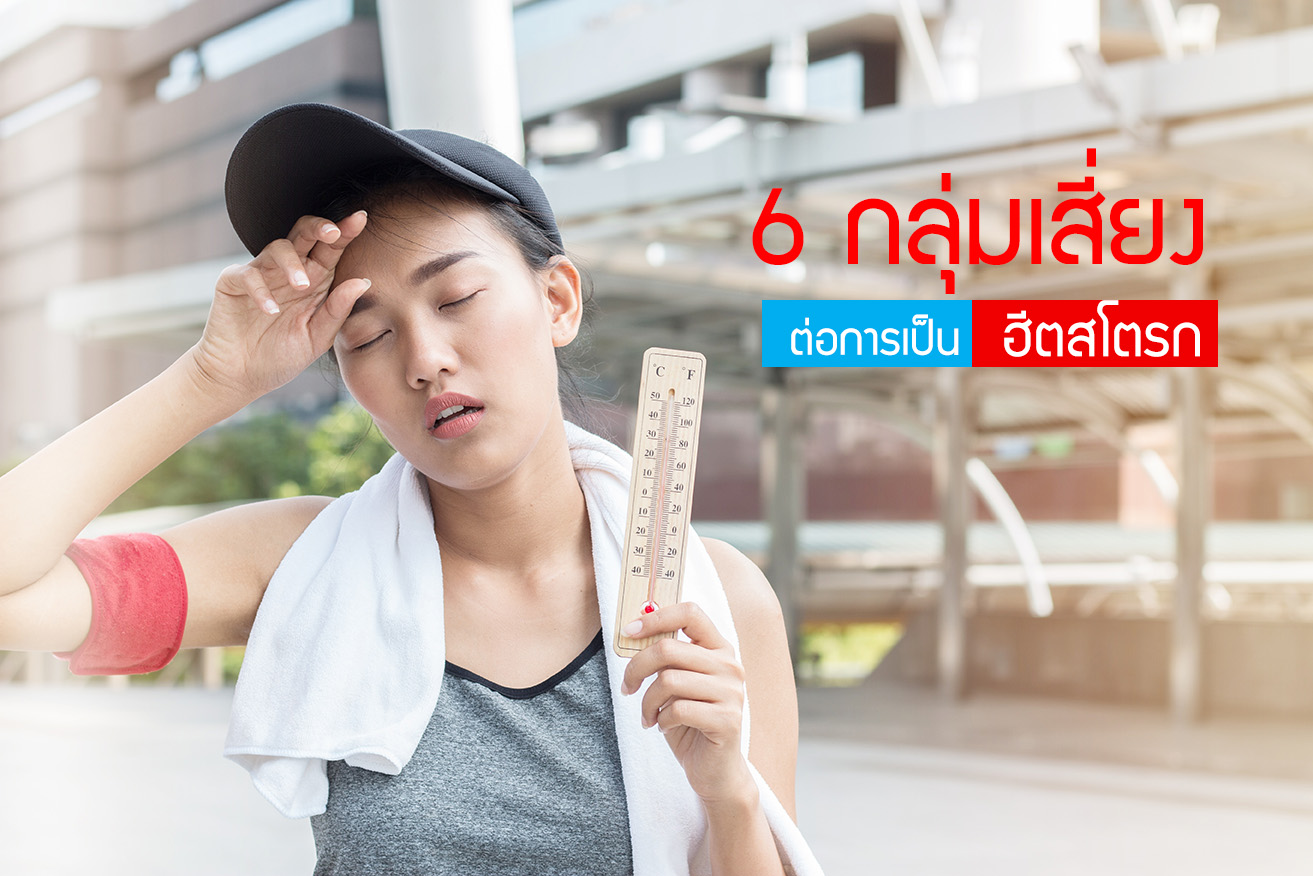
Symptoms of Heat Stroke
- Dizziness or lightheadedness
- Confusion or disorientation
- Rapid breathing (Tachypnea)
- Irregular heartbeat (Arrhythmia)
- Shock, loss of consciousness, or seizures
- Delirium or agitation
- High body temperature: Skin feels hot and dry, with a core temperature rising above 40°C.
Heat stroke is a medical emergency. If not treated promptly, it can be fatal.
6 High-Risk Groups for Heat Stroke
- Children under 5 years old and the elderly.
- Outdoor workers and athletes: Individuals engaged in construction, farming, or high-intensity exercise under the sun.
- People with underlying health conditions: Such as heart disease, stroke, or hypertension (high blood pressure).
- Individuals with obesity.
- Those with inadequate rest: Sleep deprivation negatively affects the body's temperature regulation mechanism.
- Heavy alcohol consumers: Alcohol causes blood vessels under the skin to dilate, leading to faster fluid and electrolyte loss. In extreme heat, alcohol also stimulates the heart to pump blood faster, raising blood pressure and increasing the risk of shock or death.
How to Reduce the Risk of Heat Stroke
- Stay in well-ventilated areas or air-conditioned environments.
- Wear lightweight, light-colored, and breathable clothing.
- Reduce or avoid strenuous outdoor activities for prolonged periods.
- Protect yourself with sunglasses, umbrellas, or wide-brimmed hats.
- Drink more water than usual to compensate for fluid loss through sweat.
- Avoid all types of alcoholic beverages.
- Never leave children, the elderly, or pets in a parked car outdoors; internal temperatures can rise rapidly to dangerous levels.
- Exercise during cooler times, such as early morning or late evening.
First Aid: If you suspect someone is suffering from heat-related illness, move them to a cool, shaded area. Provide cold water for drinking and apply cool water to their skin. If they are unconscious or symptoms are severe, call for emergency medical services or transport them to the hospital immediately.
Call us