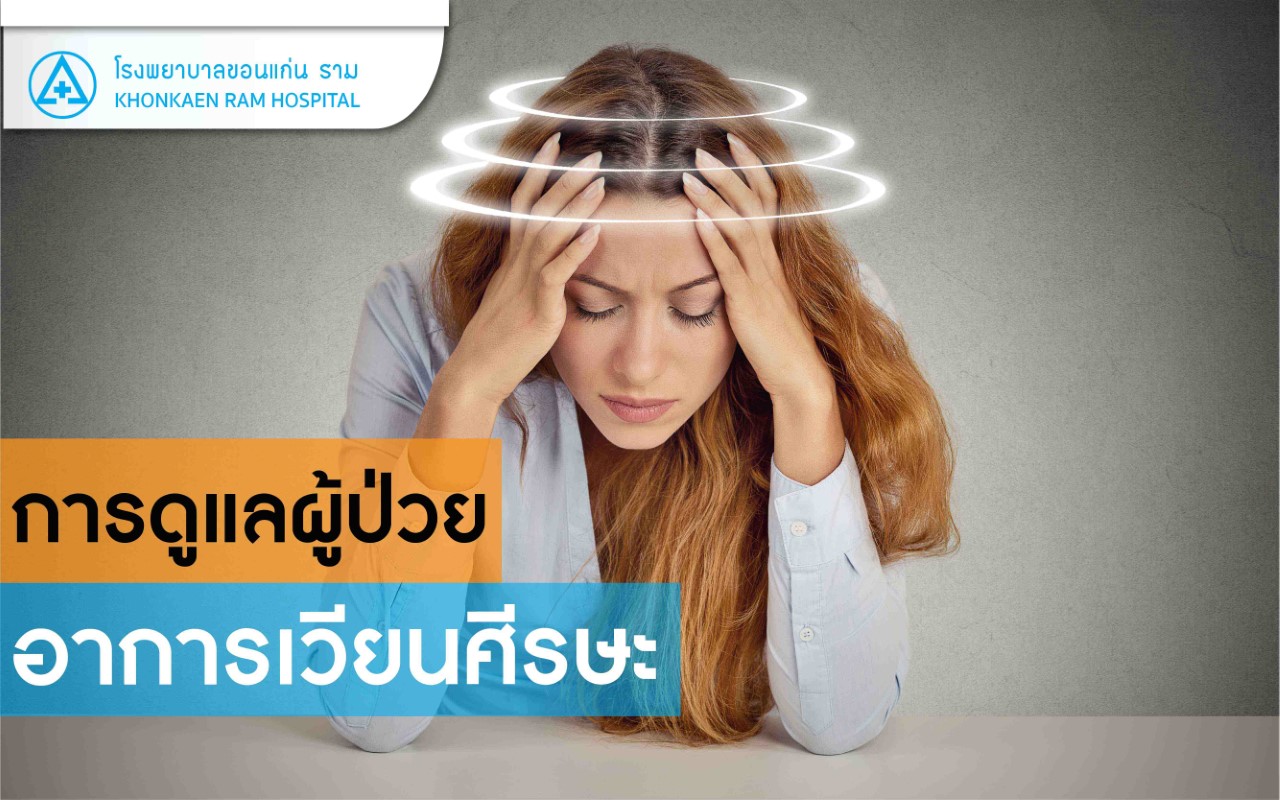
Dizziness refers to feelings of lightheadedness, unsteadiness, or being off-balance. It is generally categorized into two types: general Dizziness (lightheadedness) and Vertigo (a spinning sensation).
Causes
Dizziness can stem from various factors:
- Inner Ear Disorders: These are common causes of recurring vertigo, such as Benign Paroxysmal Positional Vertigo (BPPV/Inner ear crystals), Labyrinthitis, Meniere's disease (imbalance of inner ear fluid), Vestibular Neuronitis, and Vestibular Migraines.
- Circulatory System Issues: Caused by low blood pressure (Hypotension) or Orthostatic Hypotension (sudden drop in blood pressure when changing positions quickly). Heart conditions—such as Cardiomyopathy, Acute Myocardial Infarction (heart attack), Arrhythmia, or Transient Ischemic Attack (TIA)—can lead to fainting or loss of balance because the heart cannot pump enough blood to the brain or inner ear.
- Neurological Disorders: Such as head injuries, Epilepsy, Parkinson’s disease, brain tumors, dementia, or increased intracranial pressure. Physicians must differentiate general dizziness from neurological abnormalities to provide accurate treatment.
Symptoms
Dizziness is a non-specific symptom that can be described in several ways:
- A false sense of motion or spinning (Vertigo).
- Feeling faint or lightheaded, as if about to pass out.
- Loss of balance or unsteadiness while walking.
- A heavy-headed feeling, confusion, or "fogginess."
- Nausea and vomiting.
Treatment: Treatment is tailored to the specific cause for each patient and may include:
- Medication (e.g., anti-vertigo drugs).
- Physical therapy and Vestibular Rehabilitation Exercises.
Recommendations
- If you begin to feel dizzy, stop and rest immediately by sitting down or lying on a flat surface.
- Avoid sudden movements or positions that trigger dizziness, such as rapid head turning, quick posture changes, or extreme neck bending.
- Avoid smoking and limit caffeine (tea/coffee) intake.
- Manage triggers such as stress, allergens, and inadequate sleep.
- Avoid high-risk activities during symptoms, such as driving, operating machinery, or climbing to high places.
When to See a Doctor
If dizziness occurs frequently, recurs repeatedly, or persists, you should consult a specialist to determine the underlying cause and receive appropriate treatment.
Call us