Rheumatoid Arthritis (โรครูมาตอยด์)
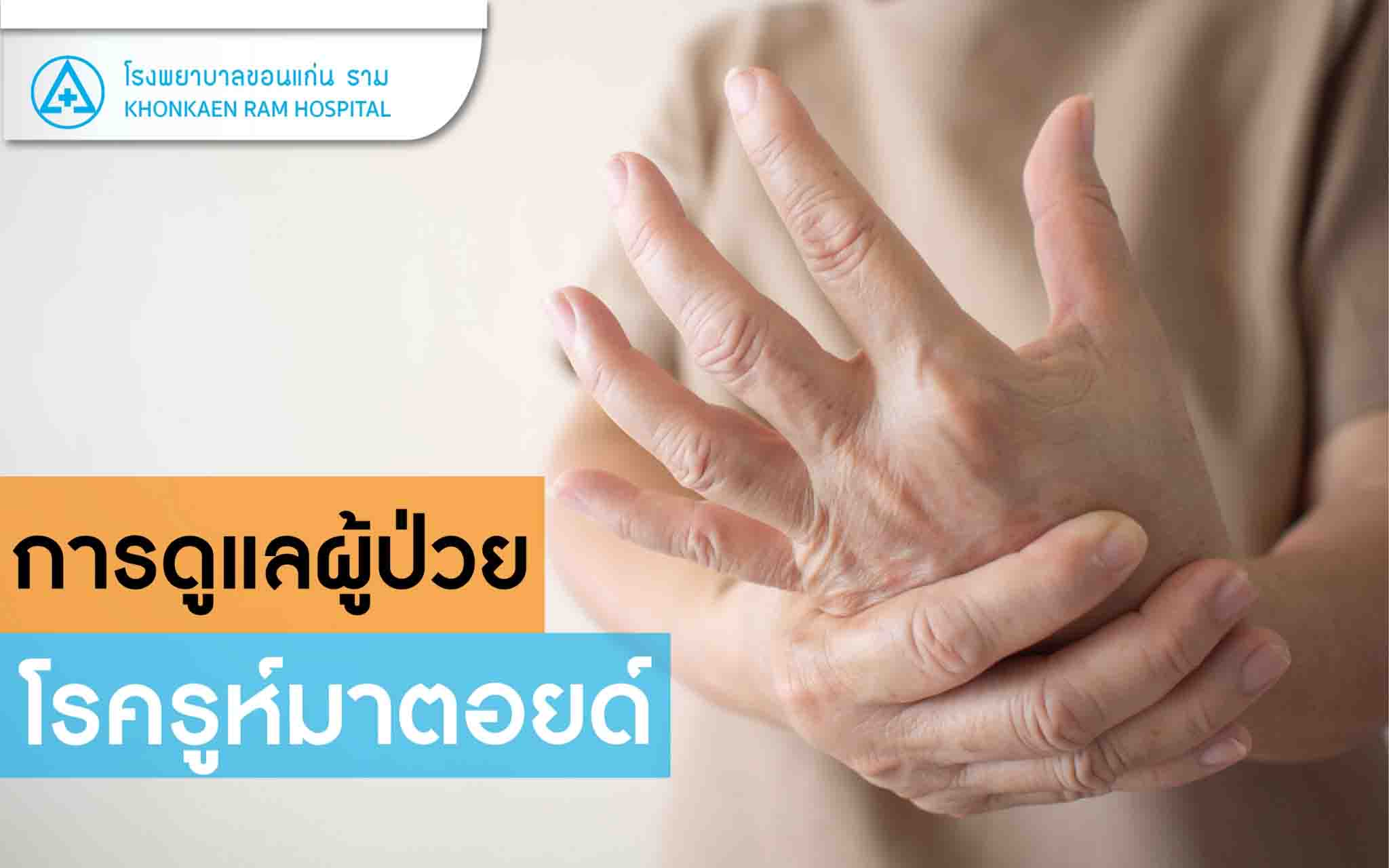
Rheumatoid Arthritis (RA) is a chronic inflammatory disorder characterized by the excessive growth and inflammation of the joint lining (synovium). If left untreated, this tissue aggressively invades and eventually destroys the surrounding bone and cartilage. RA can also affect other systems in the body, including the eyes, nerves, and muscles.
Causes
While the exact cause is not fully understood, it is widely believed to result from an Autoimmune reaction. The body's immune system mistakenly identifies its own joint tissues as foreign invaders and produces antibodies to attack them, leading to persistent inflammation.
Symptoms
Early warning signs often include fatigue, loss of appetite, and general muscle and bone aches that can last for weeks or months before joint inflammation becomes visible.
- Symmetrical Inflammation: A hallmark of RA is that it usually affects joints symmetrically (both hands, both wrists, etc.).
- Progressive Swelling: It typically begins in the small joints of the fingers and toes, causing them to swell into a spindle-like shape.
- Widespread Involvement: Inflammation can spread to the wrists, ankles, elbows, shoulders, jaw, and neck. Joints become red, swollen, hot, and painful.
Treatment
- Medication: Non-steroidal anti-inflammatory drugs (NSAIDs) are commonly used. In severe cases, steroids may be prescribed to rapidly reduce inflammation.
- Hospitalization: Severe flare-ups may require hospital stays lasting weeks or months for intensive care.
- Splinting: Occasionally, joints are placed in splints or casts to allow them to rest completely and reduce acute pain.
Self-Care Guidelines
- Medication Adherence: Strictly follow the medication plan prescribed by your physician.
- Stay Active: The "heart" of treating RA is daily movement. Patients must perform joint exercises and physical therapy every day. Avoid staying still, as inactivity causes joints to become stiffer, harder to move, and eventually fused.
When to Seek Immediate Medical Attention
- If joints become increasingly "locked" or fixed in place, making movement impossible.
- If joint pain and swelling worsen or do not subside despite taking prescribed medications.