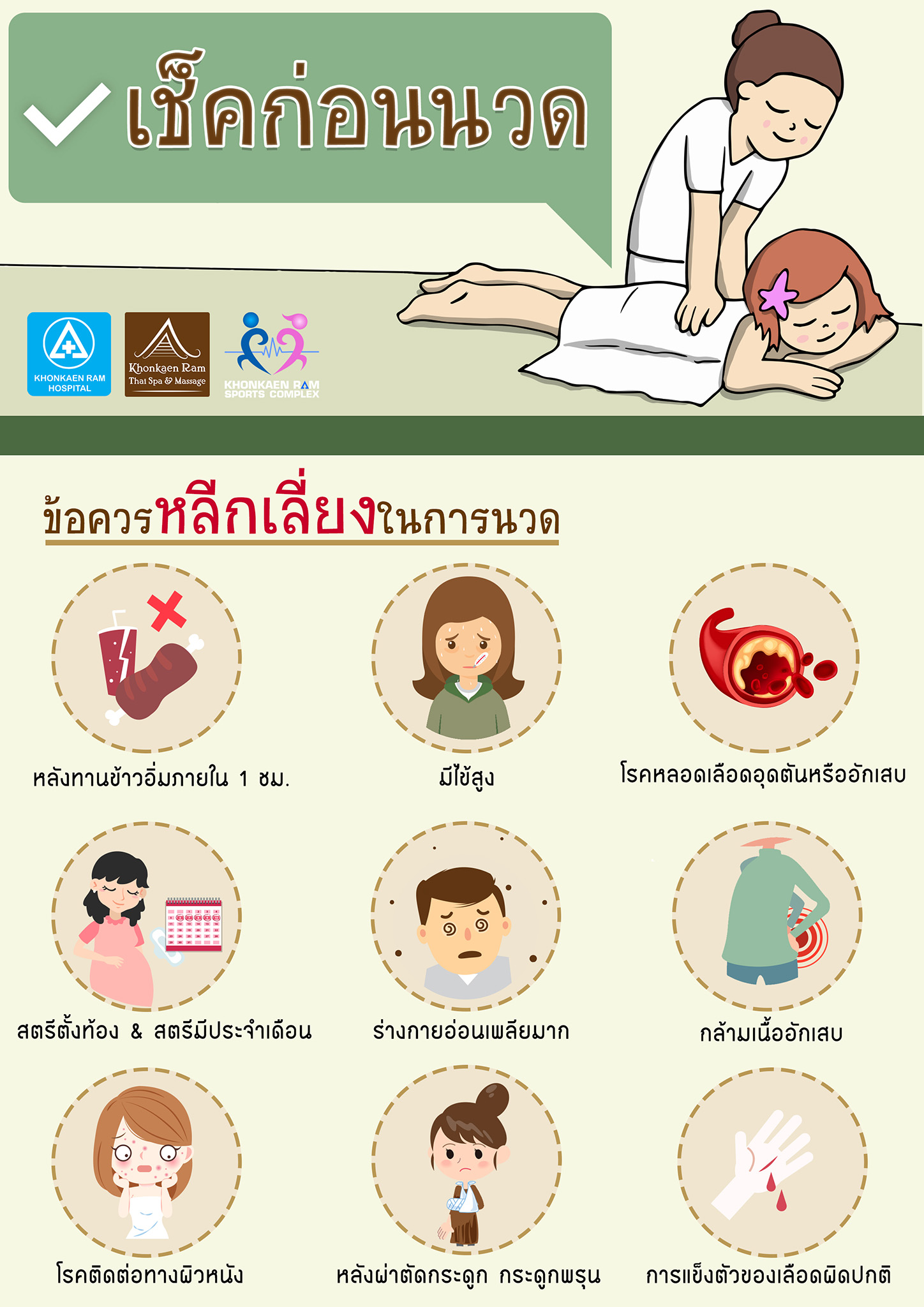
9 Things to Check Before a Massage for Your Safety
Massage therapy is a wonderful way to relax, reduce fatigue, and alleviate pain. However, it is not suitable for everyone in every situation. In certain circumstances, a massage can be harmful or even lead to life-threatening complications.
For your safety, please be aware of these 9 precautions:
- Within 1 hour after a heavy meal: Digestion requires blood flow to the stomach; a massage can cause indigestion or discomfort.
- Severe exhaustion or immediately after a bath: Your body's temperature and circulatory system need time to stabilize to avoid dizziness.
- Infection and high fever: Massage increases circulation, which may worsen an infection or spread a fever.
- Uncontrolled chronic conditions: This includes cardiovascular disease, high blood pressure, diabetes, or thrombosis that is not under medical control.
- Contagious skin diseases: Both for your own skin health and to prevent spreading infection to the therapist or others.
- Blood clotting disorders: Conditions that cause easy bruising or bleeding under the skin (hematoma).
- Acute inflammation: Do not massage joints or muscles that are red, swollen, hot, or severely painful.
- Fractures or prosthetic joints: Avoid areas where bones have not fully healed, are deformed, or where artificial joints have been implanted.
- Menstruation and Pregnancy: Avoid abdominal massages during menstruation or at any stage of pregnancy.
Related Packages

Initial Service Fees
Standard service rates for Khon Kaen Ram Physical Therapy Clinic.

"Pain Relief" Program
Effective physical therapy for Shoulder Pain, Office Syndrome, and Plantar Fasciitis to relieve pain and restore mobility.

Neck Pain Relief
Comprehensive treatment for neck pain, alleviating muscle tension and improving postural alignment using advanced physical therapy techniques.

Knee Pain Relief
Knee Pain Management & Physical Therapy Program

Achilles Tendinitis
Achilles Tendinitis Recovery & Physical Therapy Program

Chronic Back Pain
Comprehensive rehabilitation and physical therapy program for chronic back pain relief.

Chronic Shin Splints Treatment
Specialized physical therapy program for Medial Tibial Stress Syndrome (Shin Splints).

Sports Injury Treatment
Specialized physical therapy program for acute sports-related injuries and muscle strains.

Trigger Finger Treatment
Specialized physical therapy program to relieve pain and improve finger mobility for trigger finger sufferers.

Mom's Back Ache: Relief for Postpartum Back Pain
Specialized physical therapy for mothers experiencing back pain from carrying or nursing their children.

Wrist & Arm Pain: Relief for De Quervain's in Mothers
Specialized physical therapy for De Quervain's Tenosynovitis, often caused by lifting and carrying a child.

Plugged Milk Ducts Treatment
Specialized therapeutic ultrasound program to clear blocked milk ducts and relieve breast engorgement.