How to Run While Protecting Your Knees
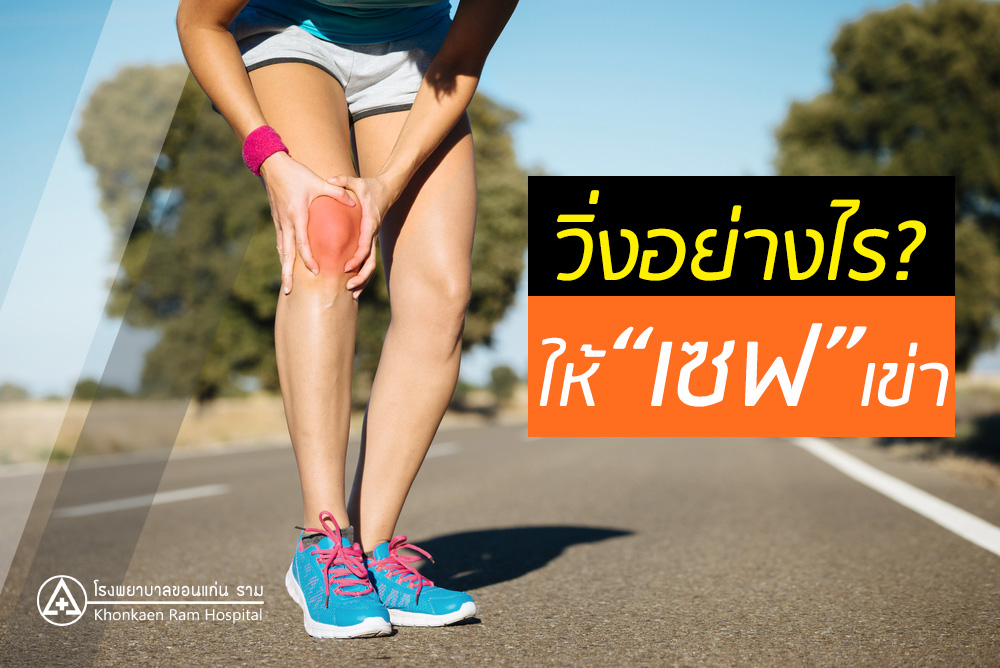
Running is an excellent and accessible form of exercise. However, it can sometimes lead to injuries. One of the most common complaints among both professional and novice runners is knee pain.
How to Run and Keep Your Knees “SAFE”
- Maintain a Healthy Weight: Excess body weight increases the impact on your knees with every stride and accelerates the risk of osteoarthritis. An ideal Body Mass Index (BMI) for runners should generally not exceed 25 to help preserve joint and knee health.
- Choose the Right Shoes: Select running shoes that fit your foot shape and provide adequate cushioning. If you have flat feet, consider consulting a specialist about custom orthotics or shoe inserts.
- Strengthen Thigh and Hip Muscles: Stronger muscles help absorb the load, reducing the burden on your knee joints. Key exercises include Squats, Leg Extensions, and Hip Abductions.
- Warm-Up: Always prepare your body with a light jog or brisk walk before your main run to prime your muscles and adjust your heart rate.
- Running Surface: Aim for even terrain without excessive slopes or sharp turns. Softer surfaces like soil or synthetic tracks are gentler on the joints than concrete.
- Don't Overexert: Suddenly increasing your speed or pushing too hard is a primary cause of knee injuries.
- Refine Your Running Form:
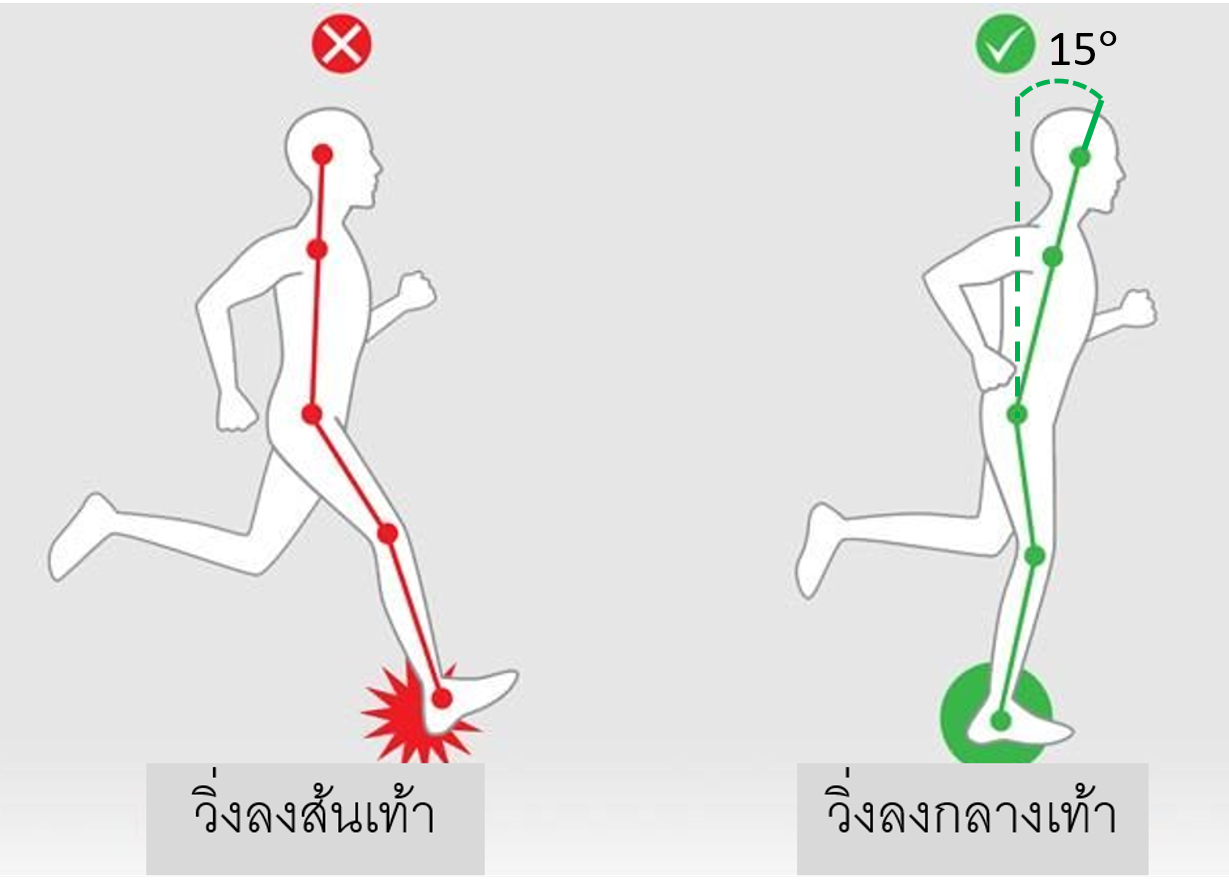
- Avoid Overstriding: Don't let your leading foot land too far in front of your knee (heel striking while the knee is fully extended), as this sends a heavy impact directly to the joint. Use shorter, more frequent strides instead.
- Don't Lift Your Knees Too High: Excessive knee bending during long distances can lead to pain.
- Lean Forward: Maintain a slight forward lean (about 15 degrees) while keeping your back straight and head up. This helps shift the impact.
- Midfoot or Forefoot Strike: Landing on the middle or front of your foot helps reduce knee strain compared to heel striking.
- Recommendations and Precautions:
- Run at your own pace. Plan your training according to your own physical condition, not someone else's.
- If you have diagnosed osteoarthritis, consider low-impact alternatives to running.
- In case of injury, rest immediately. Switch to low-impact exercises like swimming, cycling, or targeted strength training.
- If pain persists or worsens, consult an Orthopedic Surgeon or a Sports Medicine Specialist for proper diagnosis and rehabilitation before returning to your running routine.
Call us