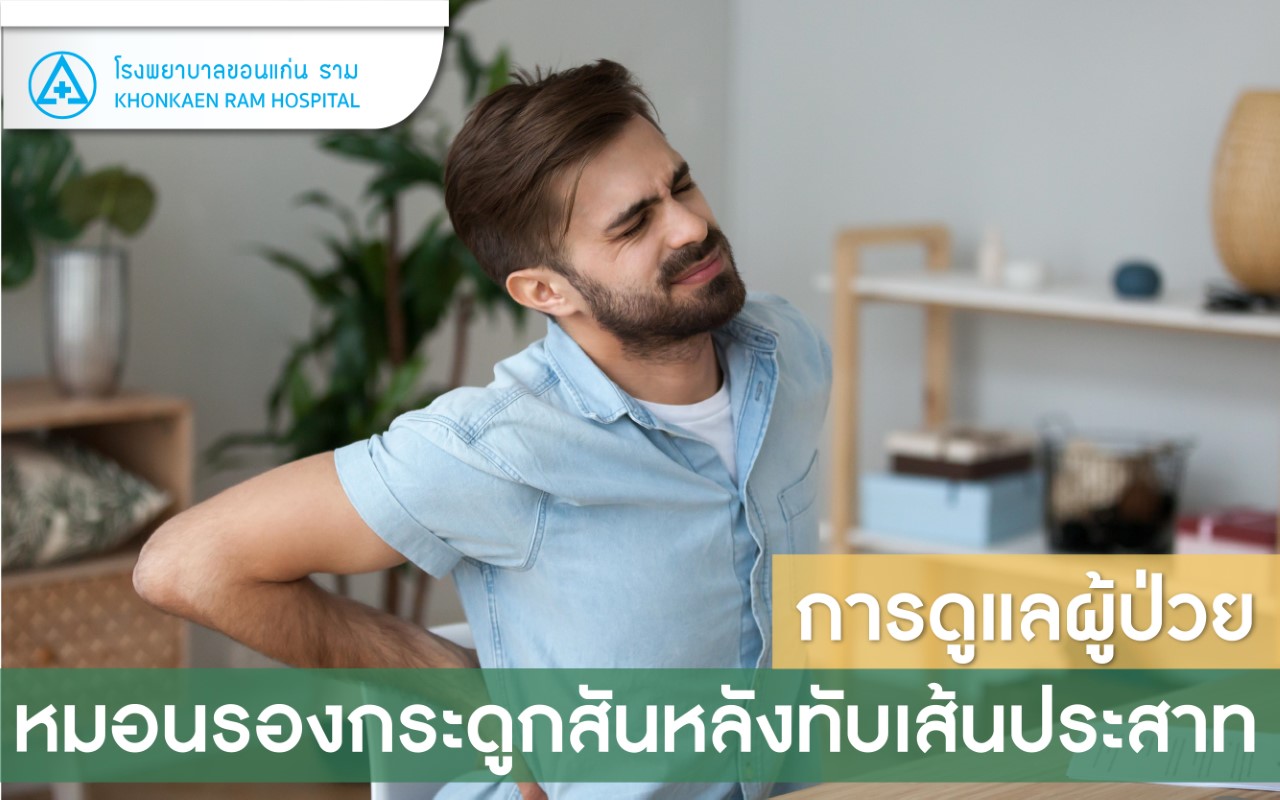
Herniated Disc (Slipped Disc)
A Herniated Disc occurs when the soft center of a spinal disc pushes through a crack in the tougher exterior casing. This can be caused by age-related wear and tear, improper posture, sports injuries, work-related strain, or accidents. While it can happen anywhere in the spine, it is most commonly found in the lower back (lumbar spine).
[Image of herniated disc pressing on spinal nerve]
Home Care and Recovery Instructions
- Strengthening Exercises: Perform specific neck or back exercises as recommended by your physical therapist to strengthen supporting muscles.
- Weight Management: Maintain a healthy body weight to reduce the load and pressure on your spinal discs.
- Avoid Heavy Lifting: Strictly avoid carrying, lifting, pulling, or dragging heavy objects.
- Correct Your Posture: Avoid positions that trigger pain and adjust your daily habits as follows:
- For Cervical (Neck) Disc Herniation:
- Avoid frequent bending or overextending your neck.
- Avoid sudden or improper neck movements, such as jerking or snapping your neck.
- Take regular breaks during activities like driving, watching TV, or reading. Do not keep your head in the same position for extended periods.
- For Lumbar (Lower Back) Disc Herniation:
- Avoid sitting on the floor or in very low chairs. When sitting in a chair, sit upright with your back supported firmly against the backrest.
- Proper Lifting Technique: Never bend at the waist to pick up objects. Instead, keep your back straight, bend your knees to squat, and use your leg strength to lift.
- Avoid wearing high-heeled shoes.
- For Cervical (Neck) Disc Herniation:
- Medication Safety: If prescribed pain relievers that may irritate the stomach, take them immediately after meals and drink plenty of water.
- Follow-up: Attend all scheduled doctor appointments and continue physical therapy sessions as prescribed.
Warning Signs: When to See a Doctor Immediately
- Pain that worsens despite rest and medication, significantly interfering with daily activities.
- Increased numbness or worsening weakness in the arms or legs.
- Loss of bladder or bowel control (Incontinence).
Related Packages
Call us