Spondylosis (โรคกระดูกสันหลังเสื่อม)
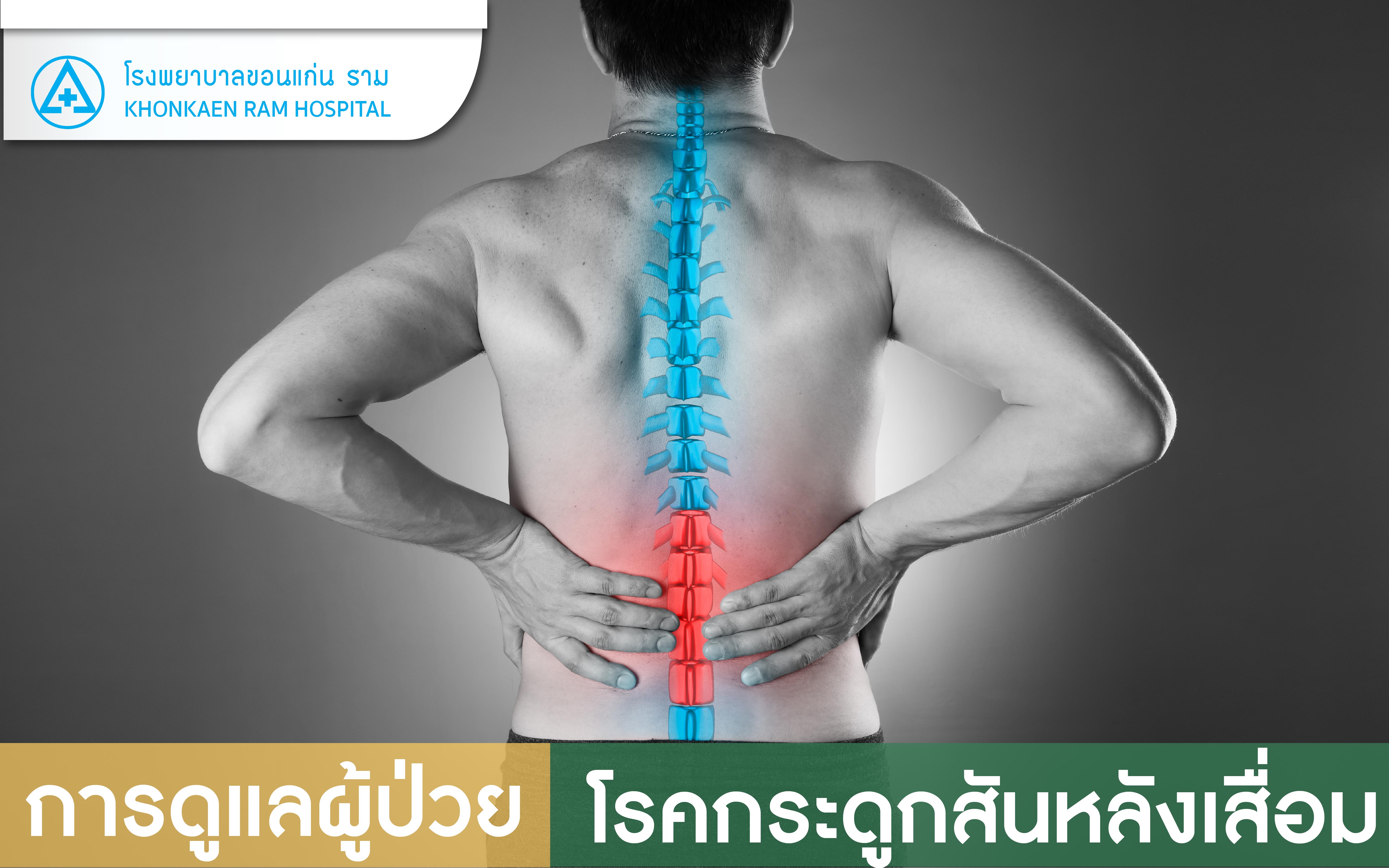
Spinal degeneration or Spondylosis typically affects individuals aged 45 and older, most commonly occurring in the cervical (neck) and lumbar (lower back) regions. It is primarily caused by the natural wear and tear of spinal tissues, discs, ligaments, and bones over time. Other contributing factors include sports injuries, accidents, congenital spinal deformities (scoliosis), or spinal infections such as tuberculosis.
Causes
- Overuse and Strain: Heavy lifting, repetitive bending, excessive body weight (obesity), and weak core or back muscles. It can also be triggered by a herniated disc.
- Aging (65+ years): Development of bone spurs (osteophytes) and the weakening of muscles and ligaments. Co-existing conditions like heart disease or diabetes can also increase the risk of Osteoporosis.
- Other Factors: Genetics, long-term use of certain medications (such as steroids), poor nutrition, and overall physical deconditioning.
Symptoms
Chronic or recurring back and neck pain that often worsens with movement or activity. If the degenerated structures press against spinal nerves, you may experience radiating pain (sciatica) traveling to the hips, shoulders, arms, hands, calves, or feet. In advanced cases, the spine may appear visibly deformed (curved or hunched) or displaced.
Treatment Options
- Medication: General painkillers, non-steroidal anti-inflammatory drugs (NSAIDs), and muscle relaxants.
- Physical Therapy: Techniques to reduce pain, muscle relaxation massages, core strengthening exercises, and education on proper back usage. Advanced treatments include ultrasound therapy and heat therapy.
- Surgery: Considered in severe cases where there is significant muscle wasting (atrophy), numbness, weakness, or when symptoms progressively worsen despite conservative treatment.
Self-Care Guidelines
Engage in activities with proper posture and avoid using your back heavily for prolonged periods. Avoid repetitive bending and heavy lifting. Attend all medical appointments, perform physical therapy exercises regularly, and use painkillers only when absolutely necessary to avoid medication dependency.
When to See a Doctor
Seek medical attention if you have chronic back pain (upper or lower) that affects your quality of life. Be especially alert for signs of nerve compression, such as:
- Urinary incontinence or loss of bladder control.
- Weakness or numbness in the arms or legs.
- Spasticity, difficulty walking, or an abnormal gait.
- Loss of fine motor skills (e.g., clumsiness with hand tasks).