Total Knee Replacement (Total Knee Arthroplasty)
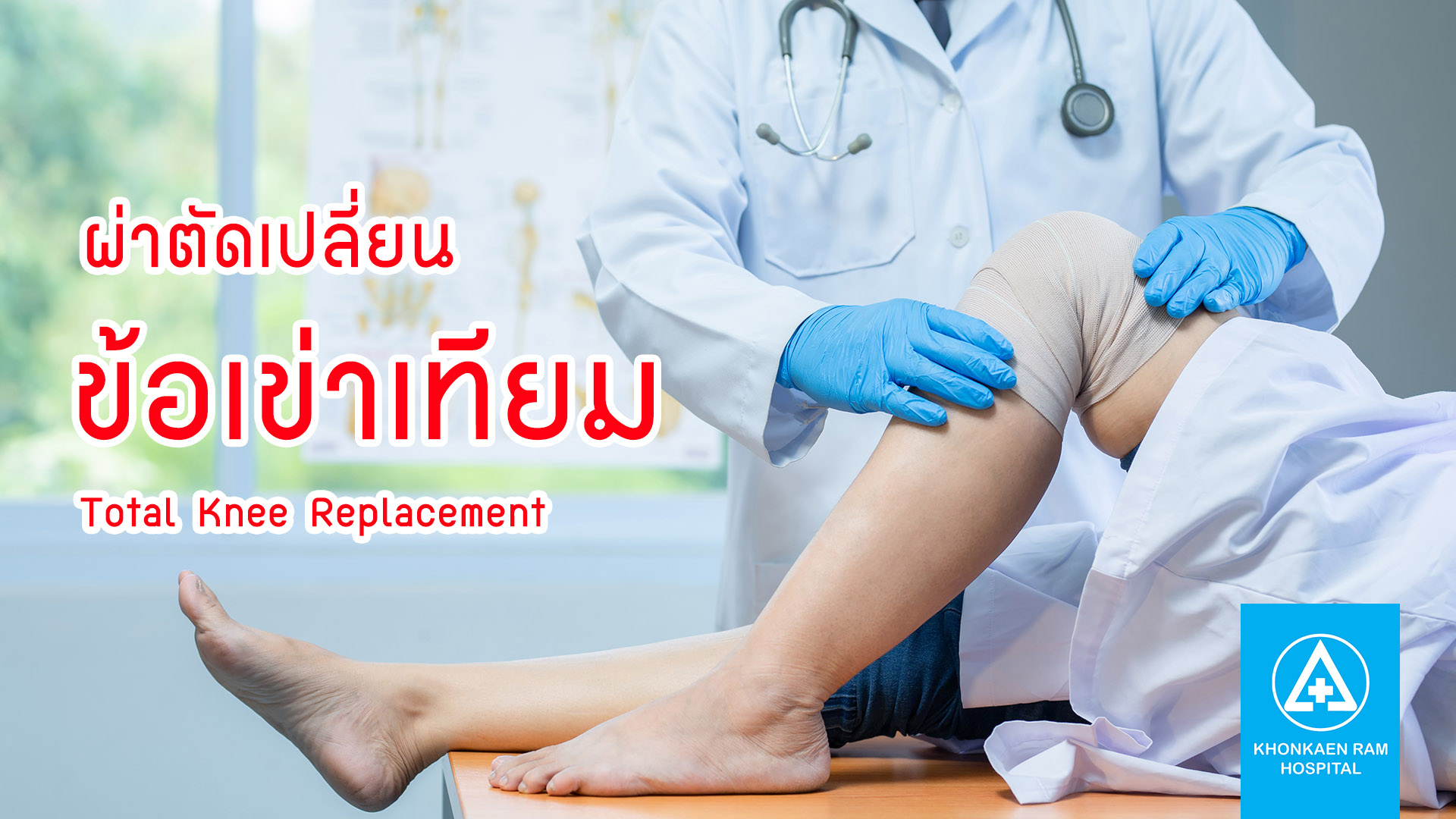
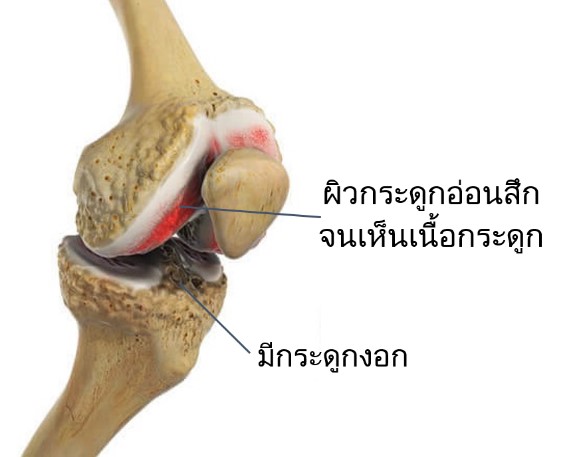
Knee Osteoarthritis (OA) is a condition where the protective cartilage that cushions the knee joint wears away, resulting in a rough joint surface and a reduction in natural lubricating fluid. This causes friction, leading to joint noise (crepitus), pain, and difficulty in moving. As the condition becomes chronic, patients may experience swelling, inflammation, and fluid accumulation in the joint. In severe cases, it can lead to joint deformity or stiffness, making it impossible to fully straighten or bend the leg.
Causes: Aging, obesity, excess weight, or previous knee injuries.
The Procedure
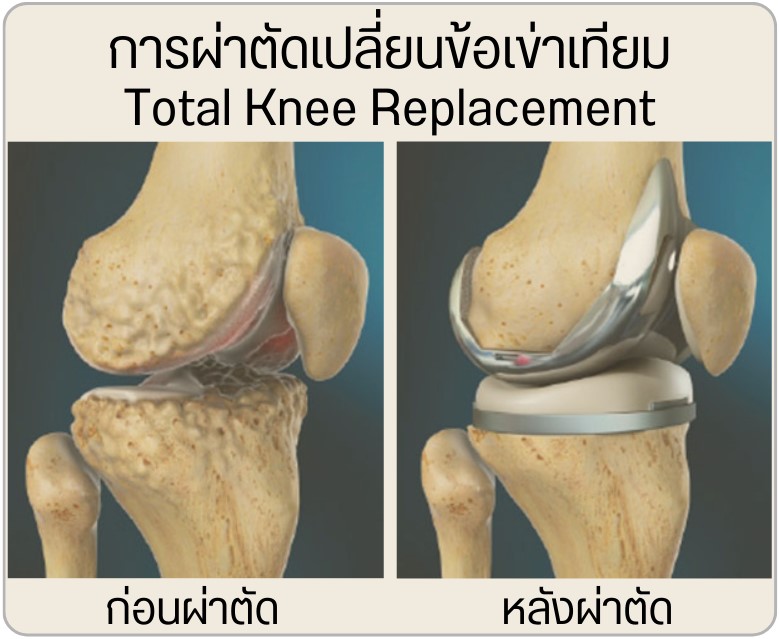
During the surgery, the damaged cartilage and bone surfaces are removed. They are replaced with an artificial knee joint made of high-grade metal alloys and specialized polyethylene plastic, designed specifically for treating knee OA. These components are secured with bone cement, and the surgeon realigns the leg to its natural, straight axis.
Depending on the extent of the damage, the surgeon may perform a Partial Knee Arthroplasty (replacing only the damaged part) or a Total Knee Replacement (replacing the entire joint surface).
Knee replacement surgery significantly enhances the patient's quality of life. It relieves chronic pain, restores the ability to walk normally (or nearly normally), and allows patients to engage in daily activities, travel, and enjoy improved joint appearance.
Who is a Candidate for Knee Replacement?
- Elderly patients with end-stage knee osteoarthritis.
- Those who require daily pain medication to function.
- Patients whose severe pain interferes with daily activities.
- Individuals who have tried medication and physical therapy without success.
Pre-Operative Preparation
- Quit Smoking: Stop smoking at least 2 weeks before surgery to prevent respiratory infections, improve blood circulation, and reduce the risk of surgical site infections.
- Inform Your Doctor: Provide a full history of underlying health conditions and current medications, especially blood thinners (anticoagulants or antiplatelets). The medical team will assess your readiness and determine if these medications need to be paused before surgery.

Related Packages

Initial Service Fees
Standard service rates for Khon Kaen Ram Physical Therapy Clinic.

"Pain Relief" Program
Effective physical therapy for Shoulder Pain, Office Syndrome, and Plantar Fasciitis to relieve pain and restore mobility.

Neck Pain Relief
Comprehensive treatment for neck pain, alleviating muscle tension and improving postural alignment using advanced physical therapy techniques.

Knee Pain Relief
Knee Pain Management & Physical Therapy Program

Achilles Tendinitis
Achilles Tendinitis Recovery & Physical Therapy Program

Chronic Back Pain
Comprehensive rehabilitation and physical therapy program for chronic back pain relief.

Chronic Shin Splints Treatment
Specialized physical therapy program for Medial Tibial Stress Syndrome (Shin Splints).

Sports Injury Treatment
Specialized physical therapy program for acute sports-related injuries and muscle strains.

Trigger Finger Treatment
Specialized physical therapy program to relieve pain and improve finger mobility for trigger finger sufferers.

Mom's Back Ache: Relief for Postpartum Back Pain
Specialized physical therapy for mothers experiencing back pain from carrying or nursing their children.

Wrist & Arm Pain: Relief for De Quervain's in Mothers
Specialized physical therapy for De Quervain's Tenosynovitis, often caused by lifting and carrying a child.

Plugged Milk Ducts Treatment
Specialized therapeutic ultrasound program to clear blocked milk ducts and relieve breast engorgement.