Psoriasis (โรคสะเก็ดเงิน)
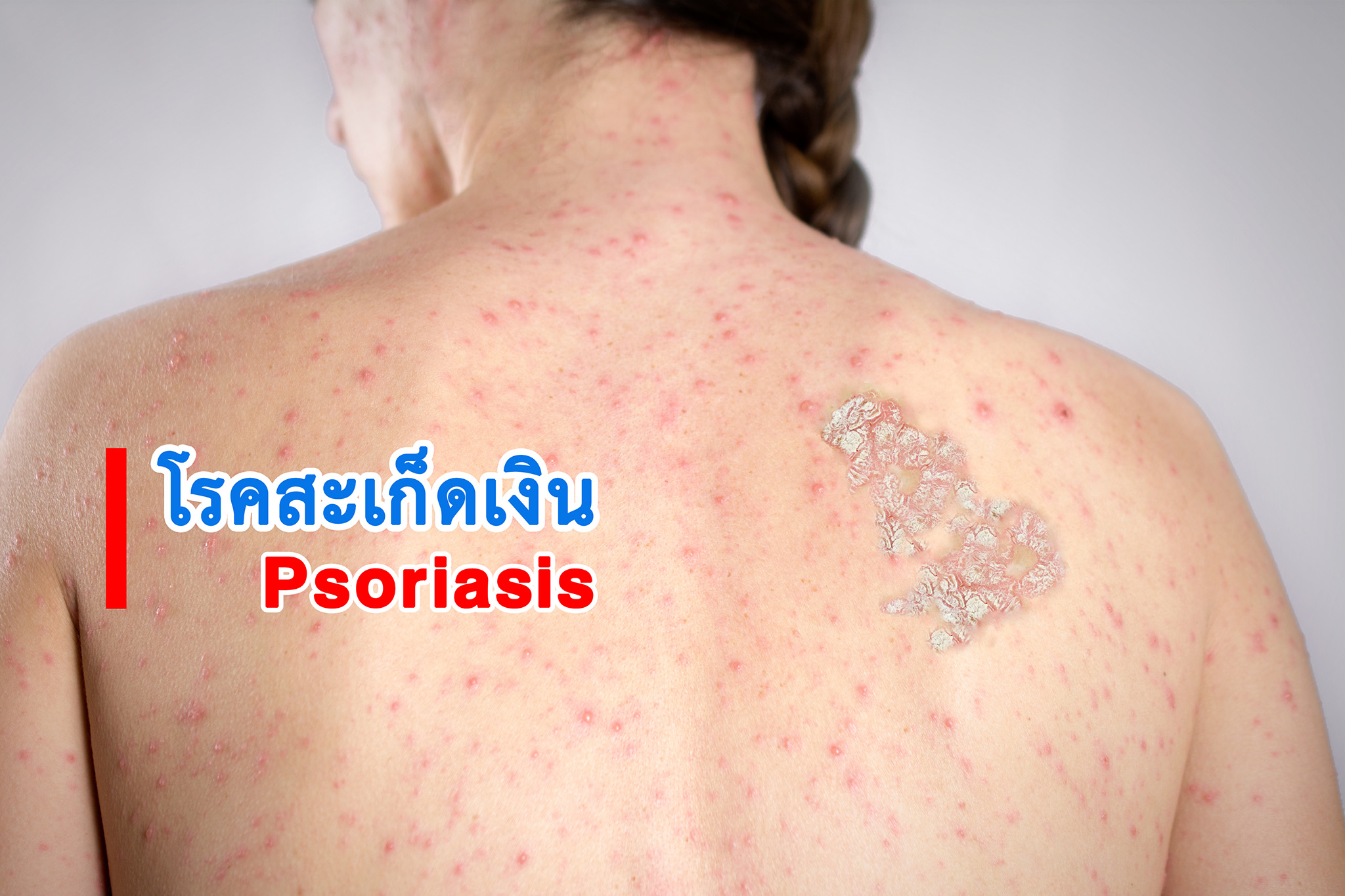
Psoriasis is a common skin condition. It is chronic but not contagious. It affects men and women equally, with symptoms typically appearing between the ages of 27–29, though it can manifest at any time from birth to old age. Patients who develop the condition at a younger age often experience more severe symptoms and are more likely to have a family history of the disease.
Causes
- The exact cause remains unknown, but it is believed to result from a combination of genetics, immune system dysfunction, and environmental triggers.
- Environmental Triggers: Skin injuries (scratches, friction, or surgical scars), upper respiratory tract infections, and HIV infection.
- Lifestyle and Medications: Alcohol consumption can trigger flare-ups. Stress, the sudden withdrawal of steroid medications, and certain drugs—such as antimalarials, beta-blockers (for blood pressure), and Lithium—can worsen the condition.
Symptoms
- Changes are typically observed in the skin, nails, and joints.
- Skin: Clearly defined red patches covered with thick, silvery-white scales. The size can range from a pinhead to large plaques covering the entire body. In some cases, it may present as widespread redness or small pustules.
- Nails: Small, shallow pits (about 1 mm), separation of the nail from the nail bed, or thick buildup (keratin) under the nail.
- Joints: Approximately 5–8% of patients with any type of psoriasis develop psoriatic arthritis (joint inflammation).
Treatment
Treatment aims to control the disease, reduce inflammation, slow down the rapid growth of skin cells, and remove hardened scales. For mild to moderate cases, topical treatments (creams/ointments) are usually sufficient. For severe cases or those with joint involvement, doctors may prescribe oral medications, injectable biologics, or Phototherapy (UV light treatment).