Vaccines: Essential Knowledge Guide
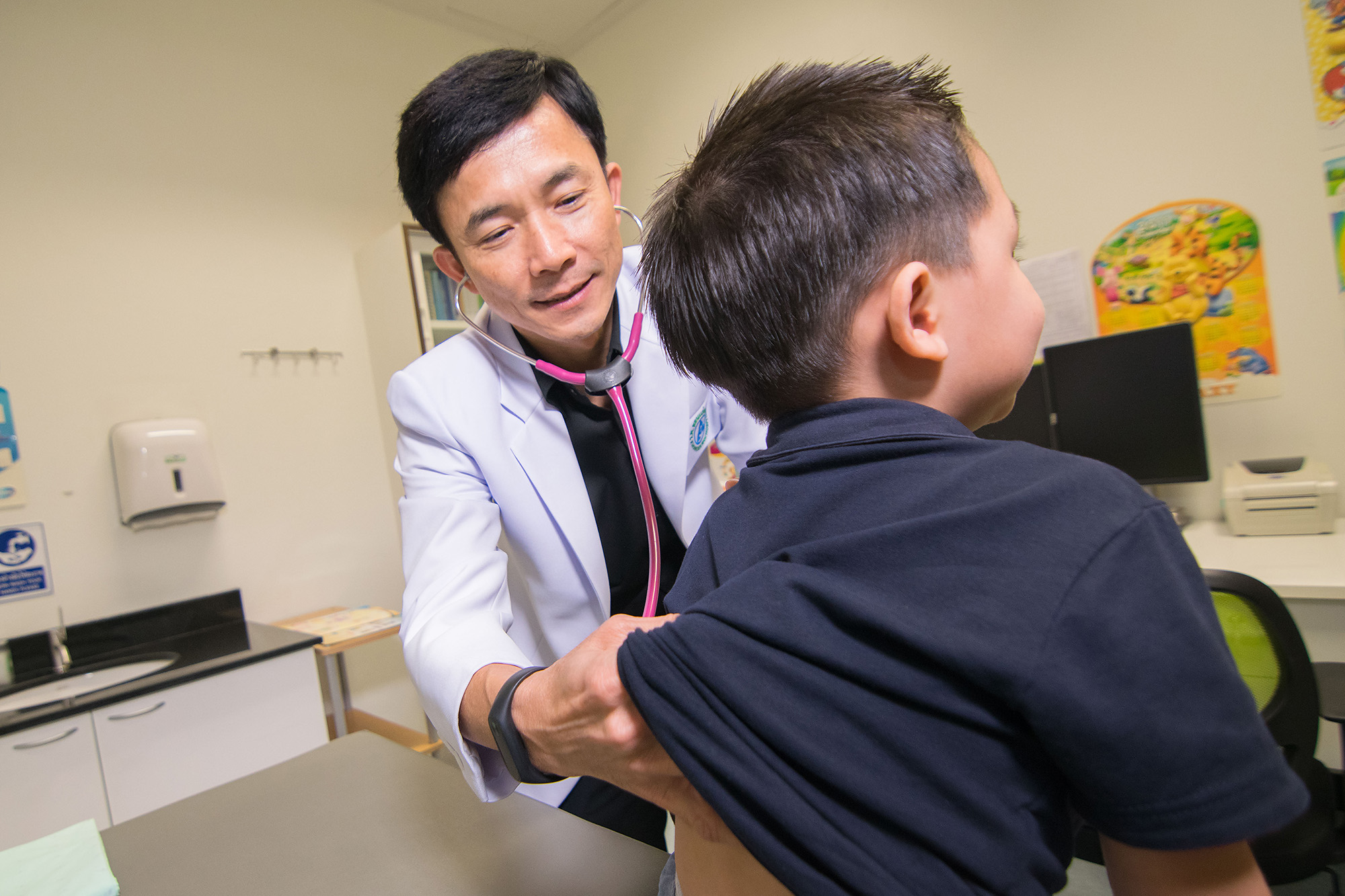
Why do our little ones have to endure injections almost every month during their first year? Is it just because of a doctor's appointment, or do we truly understand the importance of immunization? What exactly is a vaccine? What types are available? Why are there "special" or optional vaccines, and how necessary are they? These are common questions for many parents.
What is a Vaccine?
A vaccine refers to the introduction of a germ or a specific part of a germ into the body to stimulate the production of immunity or antibodies. It may take weeks or months for the body to develop full protection after receiving a vaccine.
[Image of how vaccines work in the immune system]
Another method of immunization is providing "ready-made" antibodies, which doctors call Immunoglobulin. These are injected into the body and can counter pathogens immediately.
Vaccines are not only for children; certain types are specifically intended for adults, such as vaccines for Hepatitis A and B, Chickenpox, Influenza, Pneumococcal disease, and Shingles.
Types of Vaccines
Vaccines can be categorized by their production method into 3 types:
1. Toxoid Vaccines
These use inactivated toxins produced by bacteria that can still stimulate an immune response, such as Diphtheria and Tetanus vaccines.
2. Live-Attenuated Vaccines
These use a weakened form of the germ that cannot cause disease in healthy people but can trigger immunity, such as Measles, Mumps, Rubella (MMR), Chickenpox, Shingles, and Live Japanese Encephalitis (JE) vaccines.
3. Inactivated (Killed) Vaccines
These are made from whole germs or parts of germs that have been killed, such as Hepatitis A, Hepatitis B, Pertussis (Whooping Cough), Influenza, and Injectable Polio vaccines.
Another way to categorize vaccines is according to the Ministry of Public Health's health promotion plan:
1. Compulsory Vaccines (EPI)
These are basic vaccines included in the national immunization schedule.
2. Optional Vaccines
These are vaccines that are beneficial but not yet included in the national plan due to high costs or ongoing cost-effectiveness studies. These must be paid for out-of-pocket.
3. Special Vaccines
These are used for specific high-risk groups, individuals at risk of severe complications, or travelers going to outbreak areas.
4. Vaccines in Research and Development
Vaccines that are important but still in development or clinical trials, such as certain vaccines for Dengue, Malaria, or HIV.
Precautions for Administering Multiple Vaccines Simultaneously:
- Vaccines with similar side effects (e.g., fever) should ideally not be given at the same time to avoid causing a very high temperature.
- Injections should be given at different sites. Different types of vaccines should not be mixed in a single syringe unless specifically formulated as a combination vaccine.
- Live vaccines can be given together, but if given at different times, they should be spaced at least 1 month apart. Inactivated vaccines can be given at any interval.
What if I miss a scheduled appointment?
Missing a scheduled dose or having a longer interval than intended does not lower existing immunity. However, doses given too close together may result in a sub-optimal immune response. If you miss a dose, you can simply receive the next dose as soon as possible without needing to restart the entire series.
Information on Specific Vaccines
We will discuss the primary and optional vaccines commonly recommended for children.
BCG Vaccine
Tuberculosis (TB) remains a major health issue. In children, it has a high mortality rate and can lead to permanent disability. The BCG vaccine is given to all newborns in Thailand. It is about 50% effective at preventing pulmonary TB but highly effective (75-86%) at preventing severe forms like TB meningitis.
Hepatitis B Vaccine
Hepatitis B can lead to chronic infection, cirrhosis, and liver cancer. It is transmitted via blood, sexual contact, and from mother to child. Newborns receive 3 doses: at birth, 1-2 months, and 6-12 months.
DTP and Polio Vaccines
Diphtheria: Causes a thick covering in the back of the throat, leading to breathing difficulties.
Tetanus: Causes painful muscle contractions, especially in the jaw and neck.
Pertussis (Whooping Cough): Causes uncontrollable, violent coughing.
Polio: Can cause permanent paralysis.
In Thailand, these are basic vaccines given 5 times: at 2, 4, 6, 18 months, and 4-6 years, with a booster every 10 years.
MMR Vaccine (Measles, Mumps, Rubella)
Protects against three viral diseases. Measles can be severe in small children; Rubella is dangerous for pregnant women as it causes birth defects. The vaccine is given at 9-12 months and 4-6 years.
Japanese Encephalitis (JE) Vaccine
JE is a brain infection transmitted by mosquitoes. It can cause death or permanent disability. Modern live-attenuated vaccines require only 2 doses for long-term protection.
Hib Vaccine
Protects against Haemophilus influenzae type B, which causes meningitis and pneumonia. It is highly recommended for children in daycare settings.
Chickenpox (Varicella) Vaccine
While often mild in children, chickenpox can be severe in adults or newborns. 2 doses provide 98% immunity and 100% protection against severe disease. It also significantly reduces the risk of Shingles later in life.
Influenza Vaccine
Protects against seasonal flu. Recommended annually for children 6 months and older, the elderly, and those with chronic health conditions.
Hepatitis A Vaccine
Transmitted through contaminated food and water. Recommended starting at age 1 (2 doses, 6-12 months apart).
IPD Vaccine (Invasive Pneumococcal Disease)
Protects against Streptococcus pneumoniae, which causes severe infections like meningitis and blood infections. Recommended for children under 2 years old.
Rotavirus Vaccine
An oral vaccine that protects against the leading cause of severe diarrhea in infants. It must be administered within specific age windows.
HPV Vaccine (Human Papillomavirus)
Commonly known as the cervical cancer vaccine. It protects against the viruses that cause 70% of cervical cancers and genital warts. It is most effective when given before the first sexual contact (recommended for ages 9-14).
Shingles (Zoster) Vaccine
Recommended for adults aged 50-60+ to prevent the painful reactivation of the chickenpox virus.
Dengue Vaccine
Modern vaccines can prevent dengue infection and reduce the risk of severe symptoms. Typically recommended for ages 9-45.
For other specialized vaccines, such as those for international travel, please consult your physician or the hospital for specific recommendations.



Related Packages
Dengue Vaccine
Protection against Dengue Fever for both children and adults.