Diabetic Retinopathy
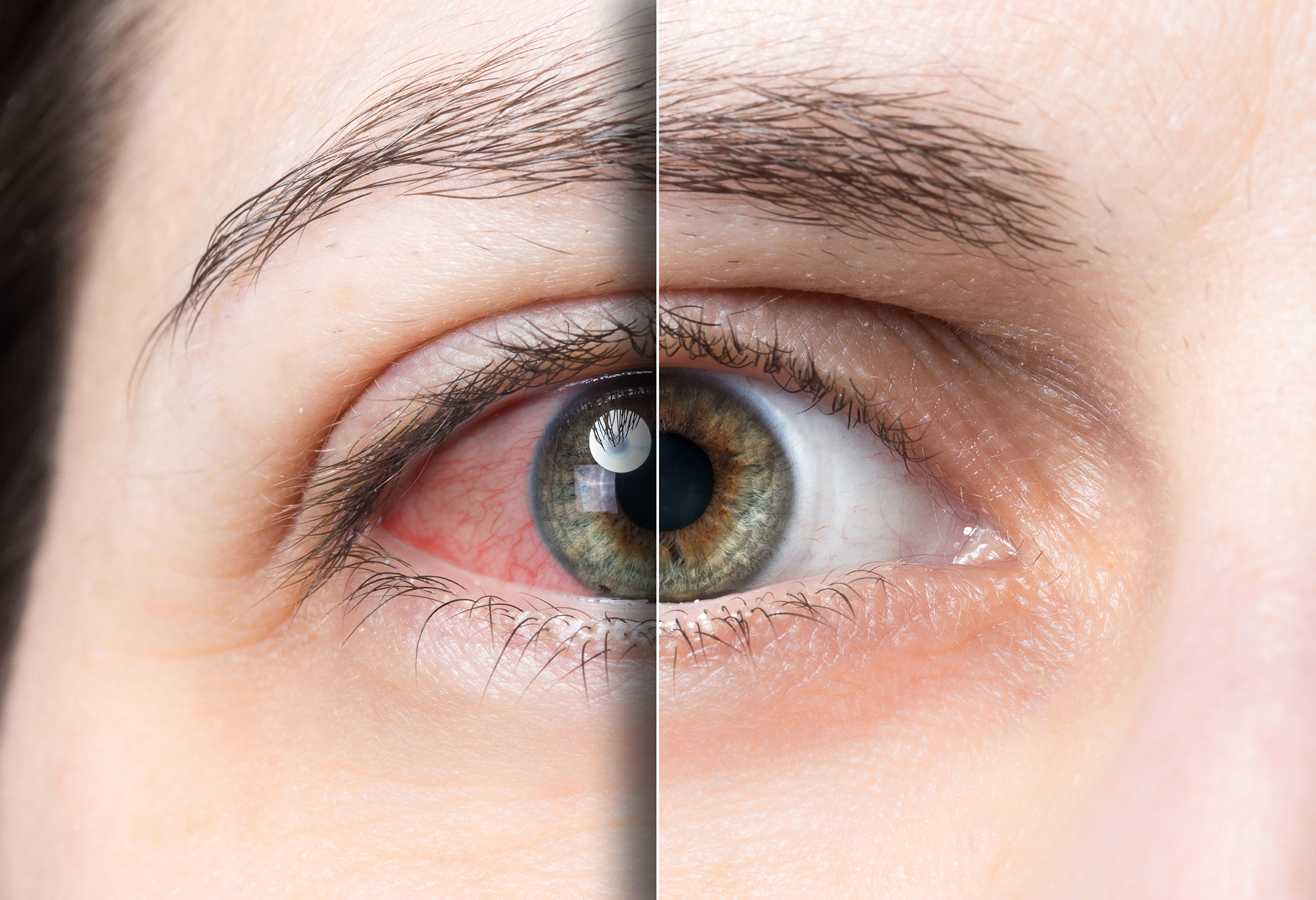
For those with diabetes, "eye complications can be severe enough to cause permanent blindness." This condition is known as Diabetic Retinopathy. Generally, it begins to affect the eyes after having diabetes for more than 5 years, and nearly all patients who have had diabetes for 20 years will experience some degree of the condition.
Risk Factors
- Duration of diabetes: The longer you have the disease, the higher the risk of eye complications.
- Blood sugar levels: High or frequently fluctuating blood sugar levels.
- Systemic diseases: Such as hypertension, high cholesterol (dyslipidemia), kidney disease, etc.
- Pregnancy: Can accelerate the progression of diabetic retinopathy.
Symptoms and Treatment
- Non-proliferative (Early Stage): If vision is not yet blurred, follow up with an ophthalmologist every 6 months. If vision becomes blurred due to macular edema (swelling of the central retina), treatments include Steroid or Bevacizumab injections, or Laser Therapy.
- Proliferative (Advanced Stage): Characterized by one or more of the following:
- Vitreous hemorrhage: Seeing red spots or floaters due to bleeding from newly formed abnormal blood vessels.
- Fibrosis: Fibrous tissue pulling on the retina, which may cause retinal holes or tears.
- Retinal detachment.
If symptoms in points 2 or 3 occur, a Vitrectomy (surgery to remove the vitreous fluid and fibrous tissue) and laser therapy are required.
Treating diabetic retinopathy in its early stages yields much better results than waiting until it is advanced. Patients must be committed, patient, and strictly follow all medical appointments.


Khon Kaen Ram Hospital provides advanced medical technology to assist in diagnosis and treatment, including:
- Indirect Ophthalmoscopy
- Digital Fundus Camera
- Fundus Fluorescein Angiogram (FFA)
- Argon Laser 532 Carl Zeiss
- Accurus Vitrectomy
- Optical Coherence Tomogram (OCT)
- Binocular Indirect Ophthalmomicroscope with Wide Field Lens
Diabetic retinopathy can be diagnosed and treated more effectively with modern medical equipment. Therefore, every diabetic patient should receive an eye examination by an ophthalmologist at least once a year.
If a doctor detects abnormalities in the retina, they will schedule continuous follow-ups or consider appropriate treatment based on the stage of the disease. Controlling blood sugar levels within the normal range is crucial to slowing the severity of the disease.