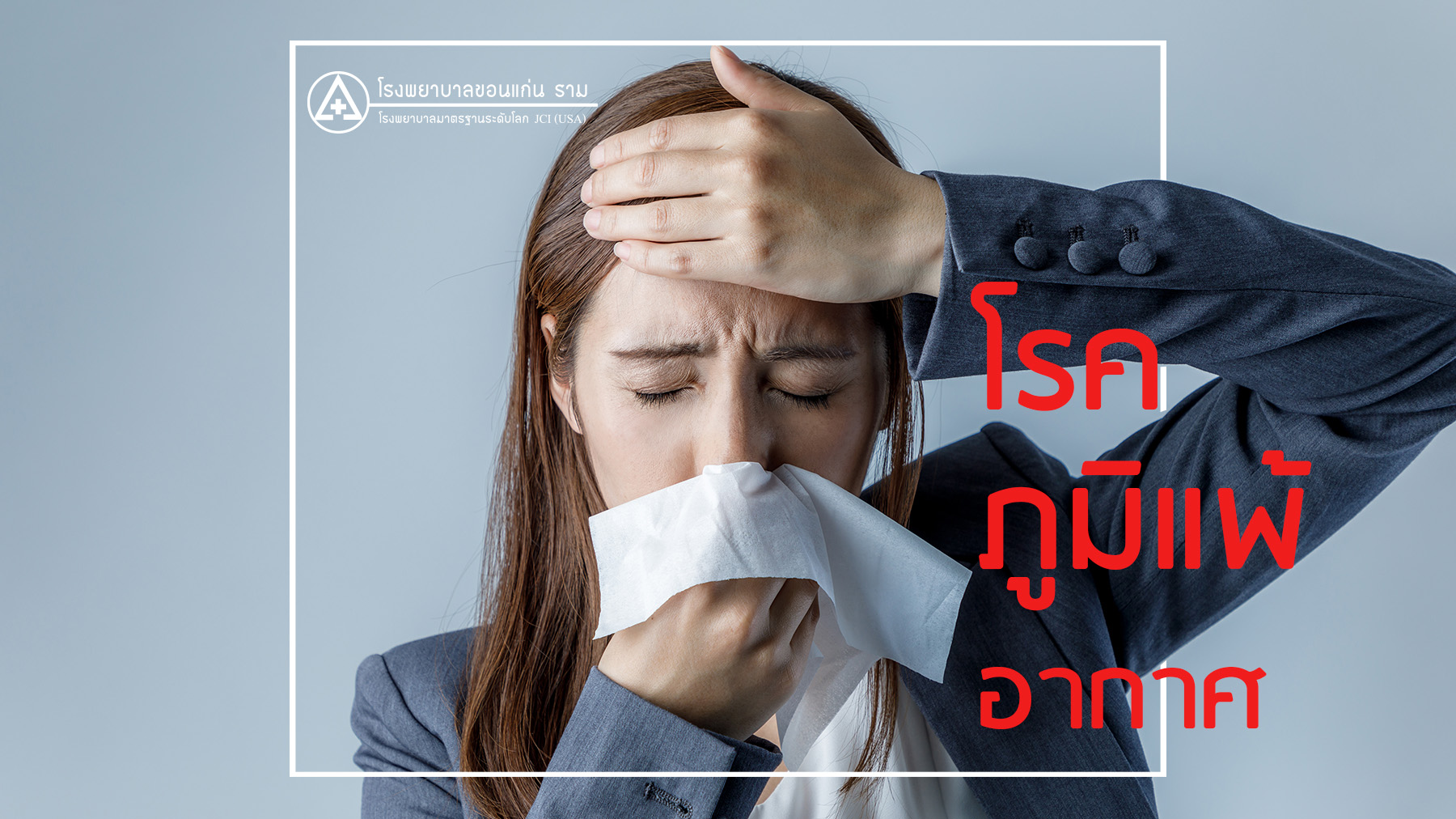
Symptoms of Allergic Rhinitis
Common symptoms include nasal congestion, runny nose, frequent sneezing, itchy nose, and post-nasal drip (mucus flowing down the throat). These symptoms can occur year-round or seasonally, particularly during the rainy or winter seasons. Some individuals may also experience eye symptoms such as itching, irritation, swelling, or tearing due to conjunctival inflammation. Symptoms typically manifest at specific times, such as in the morning or at night, for about 1–2 hours a day.
Diagnosis
- Detailed medical history and physical examination of the ears, nose, and throat (ENT).
- Skin Prick Test: An allergy skin test to identify specific allergens triggering the reaction.
Complications of Allergic Rhinitis
1. Sinusitis
Sinuses are air-filled cavities in the bones near the nose. When the nasal lining becomes swollen and inflamed, the drainage openings can get blocked. This leads to infection and inflammation within the sinus cavities, causing sinus pain and headaches. Chronic cases may also lead to ear pain or discharge due to a perforated eardrum.
2. Snoring and Sleep Apnea
Swollen nasal tissues, sometimes accompanied by enlarged tonsils or adenoids, can obstruct the airway, leading to snoring. In severe cases, this may cause Obstructive Sleep Apnea (OSA), where breathing momentarily stops during sleep. This reduces oxygen levels, which can affect the brain and vital organs, potentially leading to ADHD-like symptoms, brain cell damage, and impaired learning or behavioral development.
Prevention and Treatment
1. Avoid Known Allergens
The most effective method is strict avoidance of triggers. For dust allergies, maintain a clean environment, especially the bedroom. Open windows for sunlight and ventilation, and regularly sun-dry your bedding.
2. Avoid Irritants
Cigarette smoke, exhaust fumes, incense smoke, strong perfumes, and sprays can worsen symptoms. Avoid these irritants as well as sudden changes in temperature and humidity.
3. Use Medication as Prescribed
Consult a physician for a proper diagnosis and personalized treatment plan. Avoid self-medicating, as improper use of nasal sprays or medicines can damage the nasal lining. Follow the prescribed dosage strictly.
4. Eat a Healthy Diet
A nutritious diet boosts the immune system. Focus on proteins, fruits, and vegetables.
5. Adequate Rest
Fatigue weakens the body's defenses. Ensuring 6–8 hours of quality sleep daily is a simple yet often overlooked "medicine."
6. Regular Exercise
Appropriate exercise strengthens the immune system, helping the body fight off infections and illnesses.
7. Attend All Appointments
Following up with your doctor helps prevent complications and ensures the best treatment outcomes.