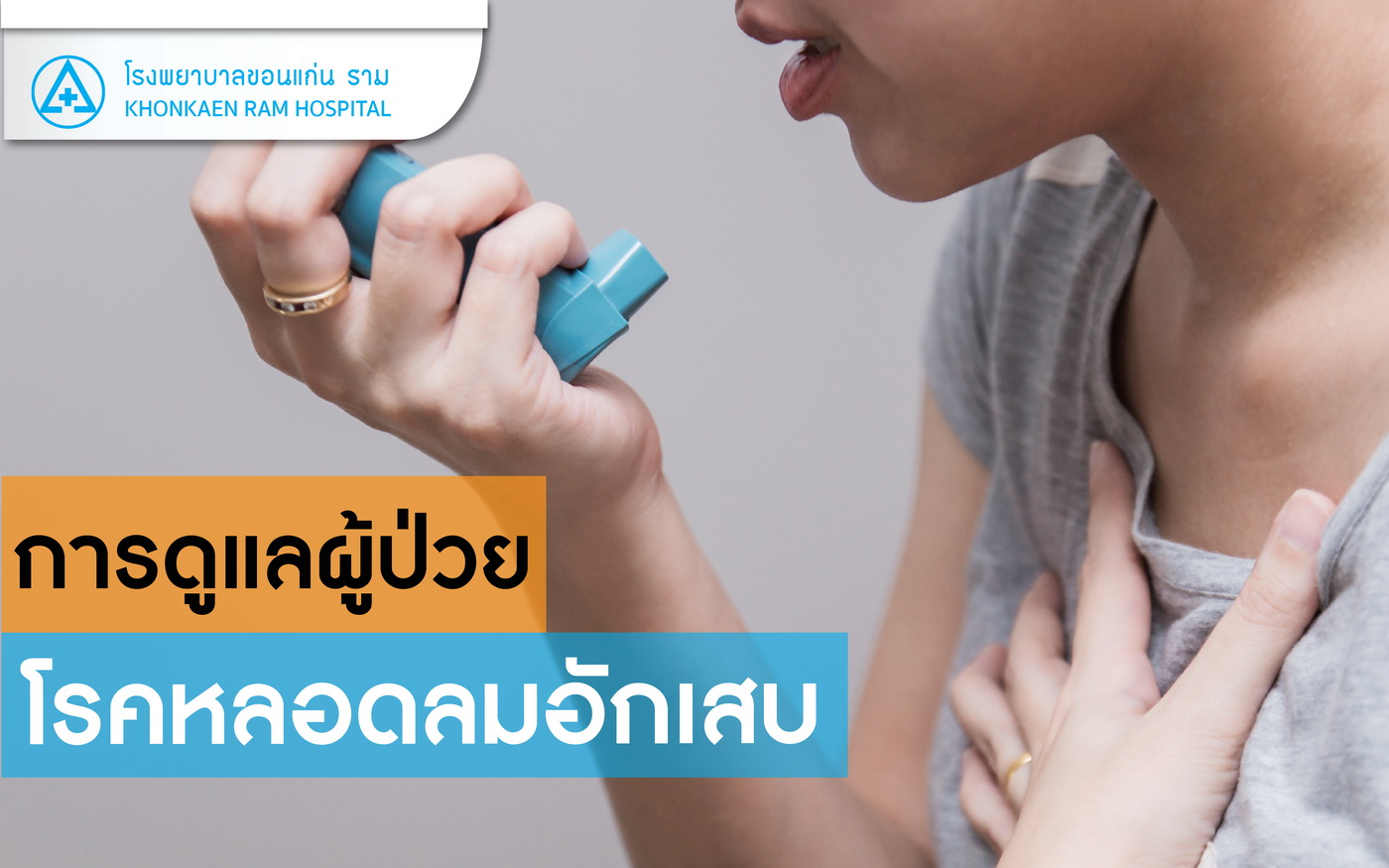
Bronchitis is the inflammation of the lining of the bronchial tubes. This inflammation causes the mucus glands to enlarge and secrete excessive mucus (phlegm), which obstructs and narrows the airways. This results in coughing with phlegm, and sometimes shortness of breath.
Causes
- Infection: Most cases are caused by viruses, such as those that cause the common cold or influenza. It is contagious in the same way as a cold.
- Irritants: Frequently found in smokers or those exposed to dust, smoke, and chemicals. Irritation can also be caused by stomach acid in patients with GERD. In smokers or high-risk groups, frequent irritation often leads to chronic bronchitis.
Symptoms
Symptoms may start with a cold and sore throat followed by a cough, or there may be no preceding symptoms. Some patients experience hoarseness, throat pain, or chest pain while coughing. Children may vomit during coughing fits. In some cases, chest tightness and shortness of breath may occur.
Treatment
- Self-Care: Get plenty of rest and avoid heavy labor. Drink 10–15 glasses of warm water daily to help liquefy phlegm. Quit smoking and avoid irritants such as cold temperatures, ice, fried/oily foods, dust, smoke, pollution, and strong winds.
- Medical Care: Follow the treatment plan prescribed by your physician.
Recommendations
This condition often follows a bout of influenza. Even after the infection is gone, a patient may continue to cough for weeks. This is typically a dry cough with a small amount of white phlegm.
This occurs because the bronchial lining was damaged by inflammation, making it hypersensitive to triggers. It takes several weeks for the bronchial tubes to fully recover and strengthen. Treatment should focus on symptom relief and avoiding irritants.
In some cases, the coughing period can last up to 3 months, while for others it may resolve within 7–8 weeks.
Warning Signs to See a Doctor Immediately:
Chronic fever, weight loss, severe shortness of breath, violent coughing fits, or coughing up blood.