Obesity
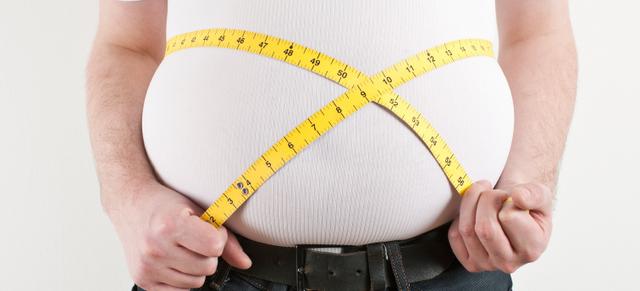
"Obesity" is a word that makes almost everyone startle. Beyond being a medical diagnosis, it is often a critique of undesirable body shape. More importantly, it is a major risk factor for various diseases and complications, such as diabetes, hyperlipidemia (high blood fats), heart disease, osteoarthritis, gallstones, and obstructive sleep apnea.
Today, the global population faces significant challenges with obesity and its complications. In a single year (2009-2010), the United States alone reported as many as 78 million obese patients. This has led to a rise in premature cardiovascular events, resulting in the loss of a productive workforce essential for national development.
Diagnosis is based on World Health Organization (WHO) criteria using the Body Mass Index (BMI).
Calculation: BMI = Weight (kg) / Height² (m²). The normal range is 18.5–24.9.
You might be obese without realizing it. If your BMI is over 25 kg/m², you are considered overweight—meaning one foot is already stepping through the "door of risk" for cardiovascular disease. If it exceeds 30 kg/m², you have fully entered the zone of obesity.
Metabolic Syndrome (Abdominal Obesity) is another condition following obesity. It occurs when excessive fat accumulates not just around the waist but also around internal organs. Diagnosis starts with waist circumference combined with at least 2 out of 4 additional risk factors.
Criteria include a waist circumference of more than 80 cm in women and more than 90 cm in men, plus 2 of the following 4 risk factors:
- Blood pressure higher than 130/85 mmHg
- Fasting blood sugar higher than 100 mg/dL
- Triglycerides higher than 150 mg/dL
- HDL Cholesterol lower than 50 mg/dL in women and 40 mg/dL in men
This "package" of conditions doesn't just come from genetics or inactivity; it is worsened by the hurried and unmindful eating habits of the modern world. This path leads to vascular damage. Depending on which organ's blood vessels are affected, it can result in loss of function or death—such as a sudden heart attack from blocked coronary arteries or a stroke (paralysis) from blocked brain vessels.

Without caution, these incidents can occur at any second, like riding a motorcycle without a helmet. However, it is not an unsolvable dilemma. Today, health consciousness is rising, and comprehensive health check-up programs are widely available to help identify and resolve issues in time.

Treatment includes both medicinal and non-medicinal approaches. Many patients feel uneasy about using medication, feeling as though they are "sentenced" to a cycle of chronic illness. Yet, these methods are vital for protecting our fragile blood vessels. It is best to practice lifestyle changes alongside medical advice.
The core principle of treatment is managing the disease and reducing cardiovascular risk factors. Therefore, weight loss serves as a treatment for obesity while delaying the onset of diabetes, hypertension, and high cholesterol. Weight loss must involve both dietary control and exercise.

Dietary Control: We need energy for daily activities, so you should not starve yourself. Instead, limit portions and choose high-quality foods from all five food groups. The 2013 American College of Cardiology Guidelines for Obesity recommend a daily intake of 1,200–1,500 kcal for women and 1,500–1,800 kcal for men. Eat less, but eat right. Avoid oily foods (to prevent high cholesterol), sugary foods (to prevent diabetes), and salty foods (to prevent hypertension).
Eating might seem difficult because of smaller portions and blander tastes. But don't worry! There are many online communities for health lovers that offer tips on portion control and creative ways to make healthy meals delicious and visually appealing.