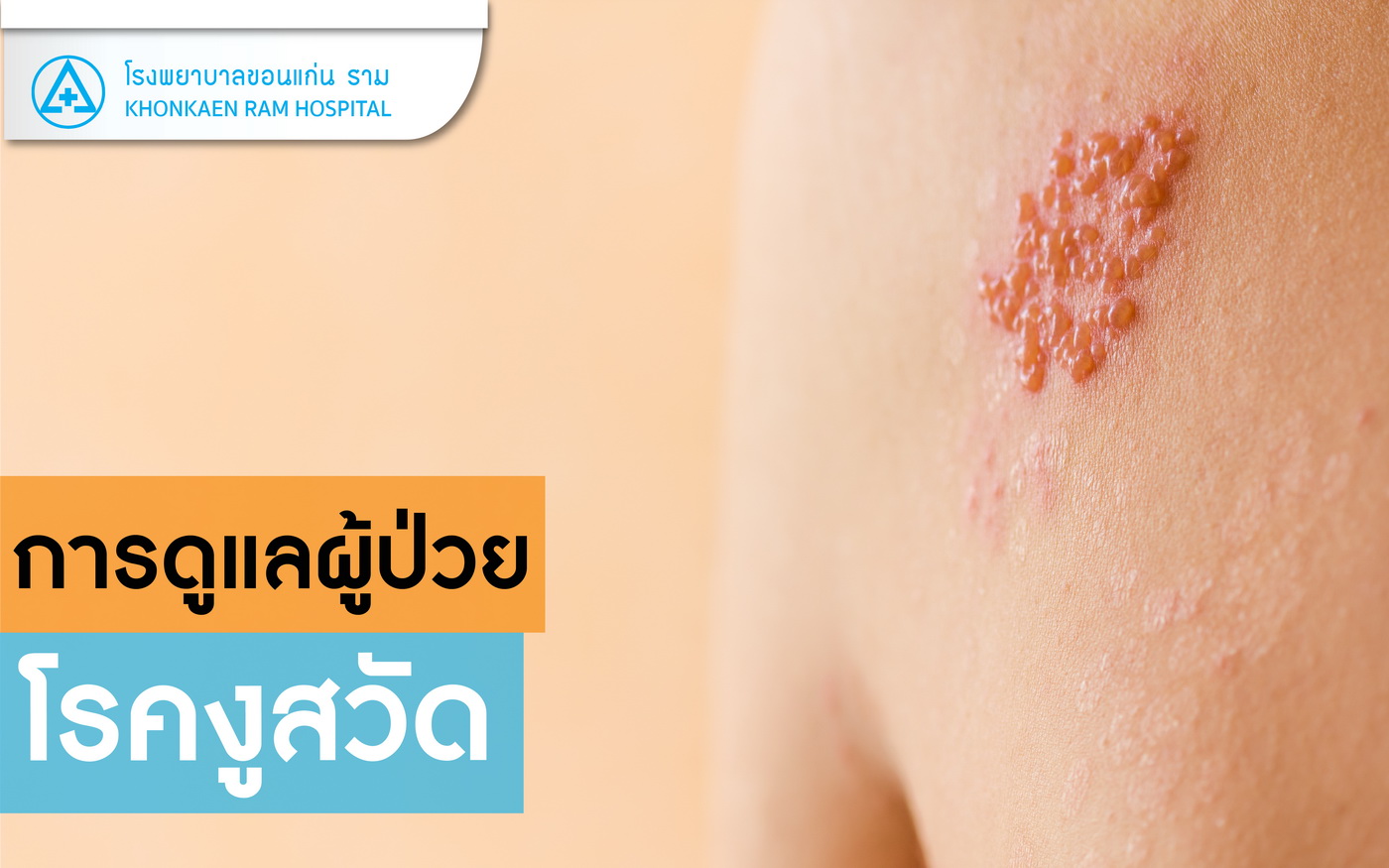
Shingles (Herpes Zoster) is a painful skin rash that follows the path of nerves. The pain is often persistent and can be particularly severe in older adults.
Causes
It is caused by the Varicella-zoster virus, the same virus that causes chickenpox. However, shingles is a different condition from cold sores (Herpes Simplex). After a person recovers from chickenpox, the virus stays inactive in the body. When the immune system weakens, the virus can reactivate as shingles.
Symptoms
Initial symptoms may resemble the flu for about 2-3 days, including fever (or no fever), headache, body aches, abdominal pain, and fatigue. Patients often feel a deep pain or a burning sensation on the skin as a warning sign. Within 1-5 days, a red rash appears in the painful area, which then turns into fluid-filled blisters. Symptoms may include itching, numbness, or extreme sensitivity even to light contact, such as wearing clothes. More than half of shingles cases occur on the torso, but they can also appear on the face, eyes, and ears.
Transmission
The virus can be transmitted through direct contact with the fluid from the blisters.
Treatment
Antiviral medication should be administered within 48-72 hours after the rash appears to speed up recovery and reduce pain and complications. Commonly used medications include Famciclovir, Valacyclovir, and Acyclovir.
Self-Care Instructions
- Keep the rash clean and take medications exactly as prescribed by your doctor. Avoid contact with young children and pregnant women.
- When blisters burst and weep, be careful of secondary bacterial infections. Clean the area by bathing normally; avoid hot or warm water, as it can cause blisters to rupture more easily.
- If the rash appears on the face or nose, it may spread to the eyes. In such cases, consult an ophthalmologist immediately.
- Avoid applying unsterilized water or traditional herbal poultices to the wound to prevent bacterial infection.
When to See a Doctor Immediately
Seek medical attention if you have a fever, severe burning pain, if the shingles spread to your eyes, or if you have more than two affected areas.
Prevention
Shingles vaccines are now available. Vaccination significantly reduces the risk