Menstrual Pain (Dysmenorrhea)
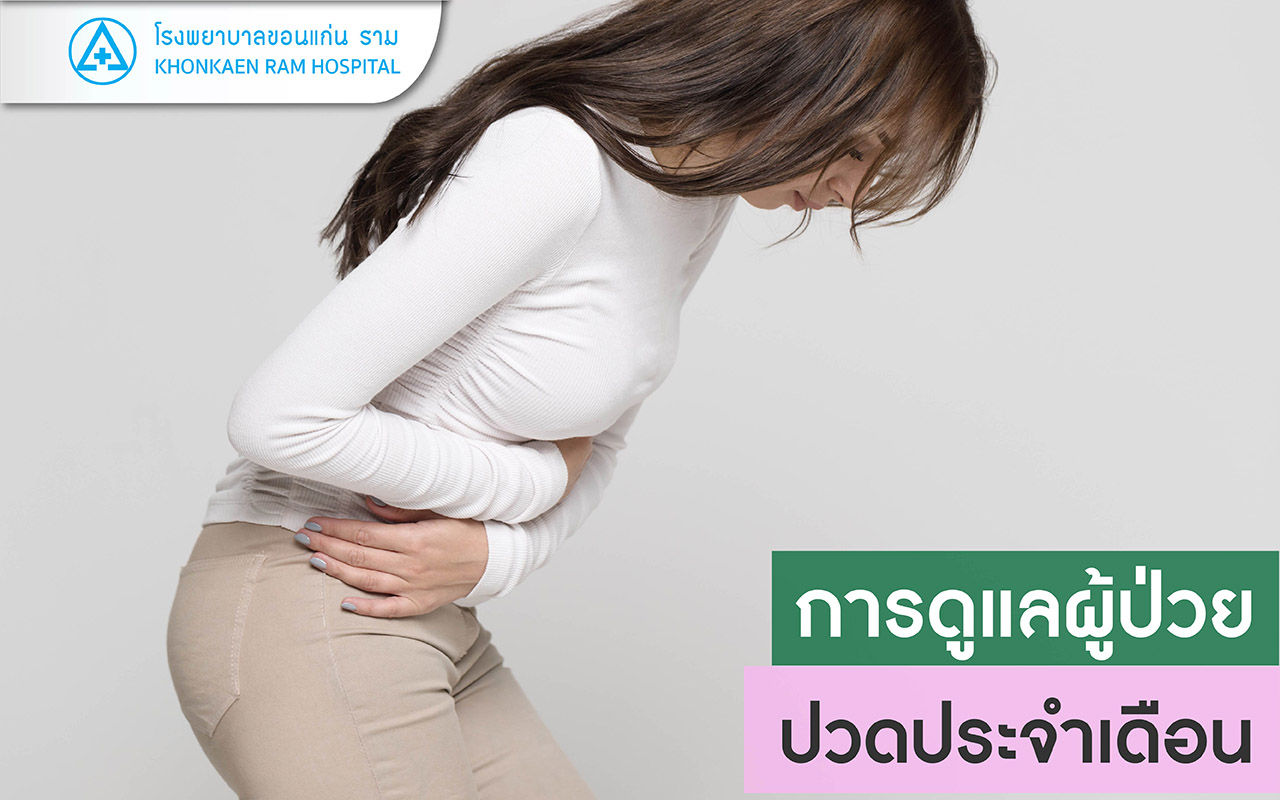
[Image illustrating the uterus during menstruation and common areas of pelvic pain]
Menstrual pain refers to cramping or aching in the lower abdomen or pelvic region during a period. It typically occurs regularly following a woman's menstrual cycle.
Risk Factors for Increased Menstrual Pain:
- Starting your first period before age 12.
- Never having children; pregnancy and breastfeeding provide the ovaries and uterus with a significant "rest" period from the monthly cycle.
- Heavy or prolonged menstrual bleeding.
- Uterine fibroids (non-cancerous growths in the uterus).
- Use of an Intrauterine Device (IUD) for contraception.
- Pelvic inflammatory disease or history of sexually transmitted infections (STIs).
- Smoking or being overweight.
Treatment and Self-Care
- Non-Medicinal Approaches: Regular exercise to promote relaxation, yoga, massage, acupuncture, or applying a warm compress/heating pad to the lower abdomen.
- Medicinal Approaches:
- Paracetamol: Often the first choice due to its high safety profile. Take 500–1,000 mg (1-2 tablets) every 4–6 hours during the first 24–48 hours of your period.
- NSAIDs (Non-Steroidal Anti-inflammatory Drugs): These are very effective for menstrual cramps. Common options include Mefenamic Acid (Ponstan) 250–500 mg or Ibuprofen 200–400 mg, taken three times a day after meals for 2–3 days.
When to See a Doctor
If you have consistently used the medications mentioned above for at least 3 months and the pain does not improve, you should consult a specialist to investigate potential underlying causes, such as endometriosis or fibroids.
Related Packages
Call us