Middle Ear Infection (Otitis Media)
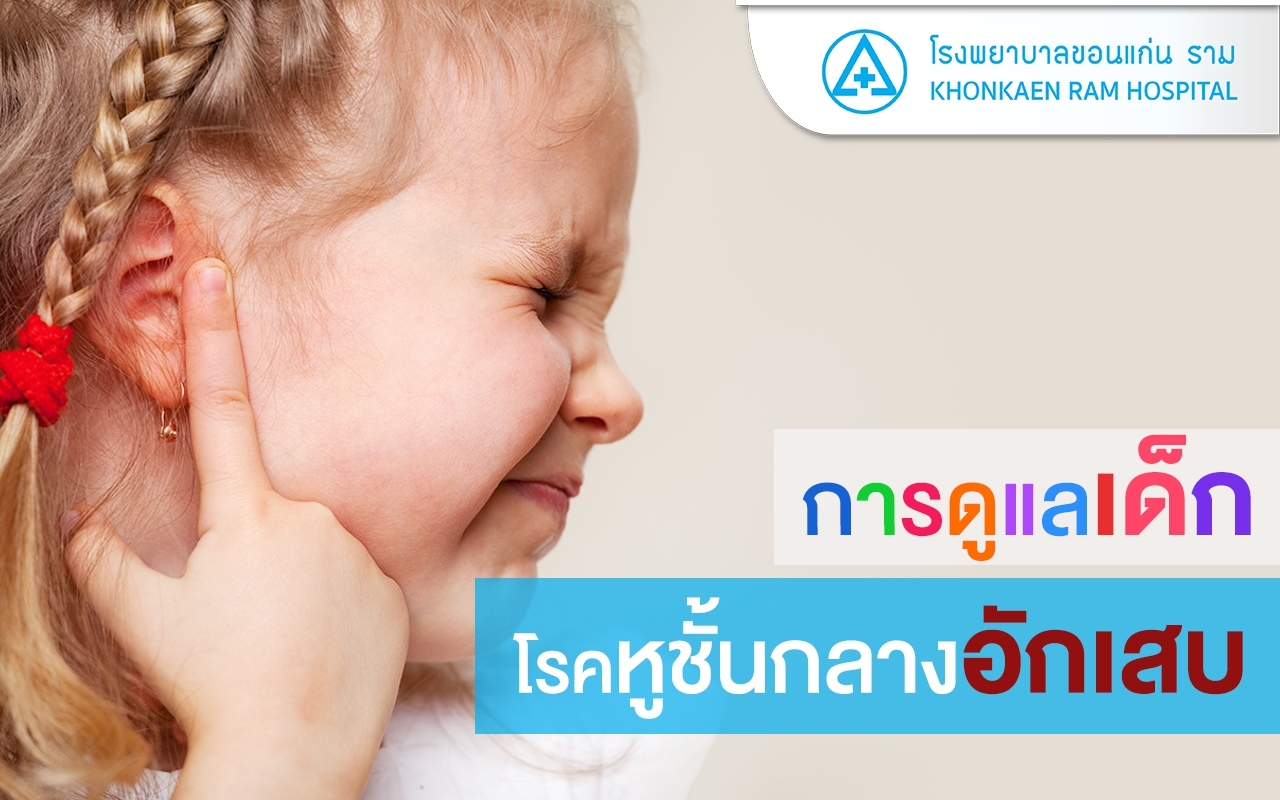
A Common Condition in Children
Middle ear infections are highly prevalent in children due to their developing immune systems and the frequent occurrence of respiratory tract infections, such as the common cold, sinusitis, and adenoiditis. These infections can be caused by either viruses or bacteria. If not treated correctly, it can lead to fluid accumulation behind the eardrum (Otitis Media with Effusion), eardrum perforation, inner ear infection (Labyrinthitis), or even life-threatening meningitis.
Symptoms
- Swollen and reddened eardrum (Tympanic membrane).
- Ear pain and tenderness around the ear area.
- Pus or blood discharge from the ear canal (Otorrhea).
- Facial muscle weakness or paralysis, caused by inflammation of the 7th cranial nerve (Facial nerve).
Treatment Options
- Medical Treatment:
- Antibiotics: To eliminate bacterial infection.
- Antihistamines: To reduce congestion and fluid buildup.
- Pain Relief: To manage discomfort and fever.
- Surgical Treatment: In some cases, a minor procedure may be required to drain pus or fluid from the middle ear.
Prevention
- Protect children from respiratory tract infections and avoid exposure to second-hand smoke.
- Encourage regular exercise to boost the immune system.
- Seek immediate medical attention for ear symptoms to prevent chronic complications.
Warning Signs: When to See a Doctor
If your child has a high fever, severe ear pain, foul-smelling ear discharge, or persistent fluid leaking from the ear, please consult an ENT specialist immediately.





Related Packages
Dengue Vaccine
Protection against Dengue Fever for both children and adults.
Price:
2,800 THB / Dose
Call us