Influenza (The Flu)
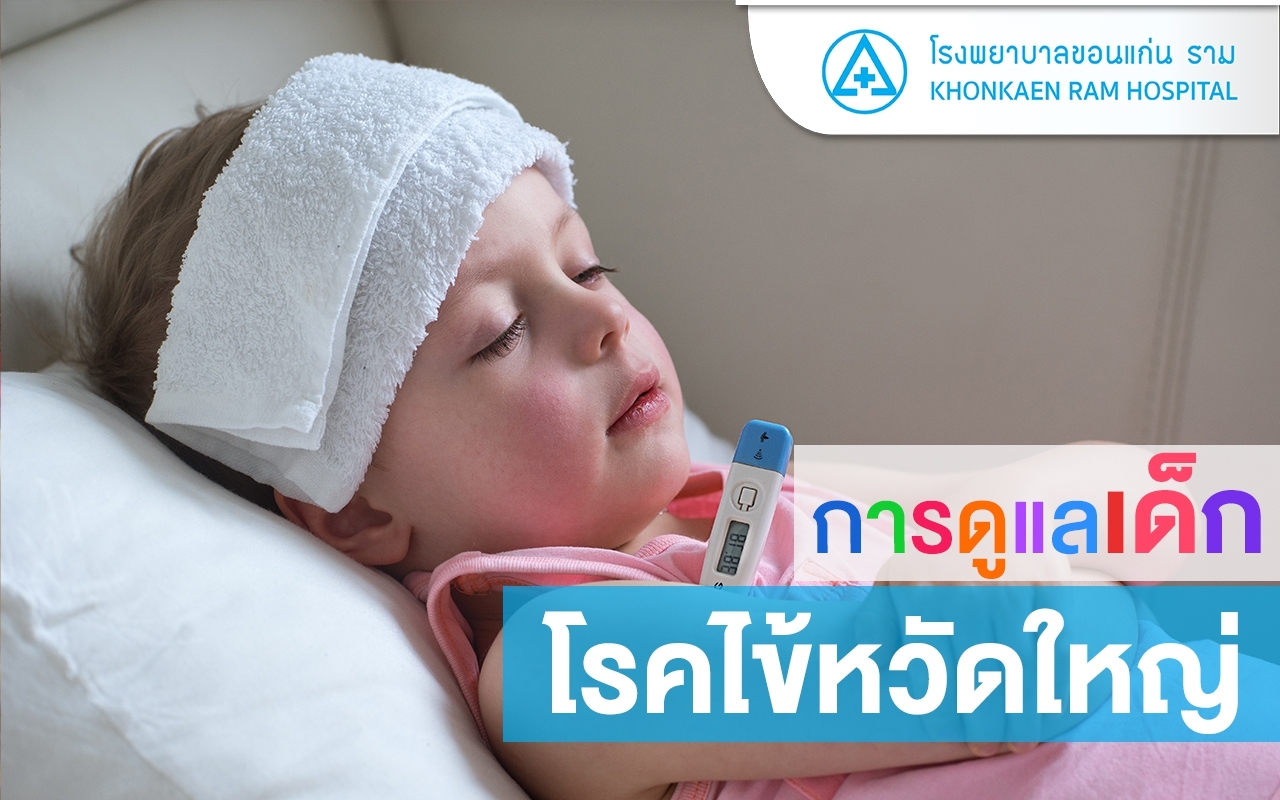
Influenza, commonly known as the flu, is a highly contagious respiratory infection. Outbreaks are increasingly common, especially among children, due to how easily the virus spreads in schools and play areas.
Symptoms can range from mild fatigue and a runny nose to severe, life-threatening respiratory failure.
Causes
The flu is caused by the Influenza virus, which has three main types: A, B, and C. Children typically contract the virus through the respiratory tract. It is spread through mucus, saliva, and phlegm when an infected person coughs or sneezes. The virus can also be contracted by touching contaminated surfaces or objects, such as shared toys.
Symptoms
Symptoms usually appear 2–3 days after exposure. Common signs include high fever, chills, headache, muscle and body aches, fatigue, nasal congestion, runny nose, coughing, and sneezing.
Treatment
The primary medical treatment involves the antiviral medication Oseltamivir. It is essential to complete the full course of medication exactly as prescribed by your physician to ensure effective recovery.
Prevention
- Annual Flu Vaccination: The most effective way to prevent infection.
- Social Distancing: Avoid close contact with individuals who are sick with cold or flu-like symptoms.
- Avoid Crowds: Stay away from crowded or poorly ventilated areas during a flu outbreak.
Warning Signs: When to See a Doctor
If you or your child develops a high fever (39–40°C) or a severe, persistent cough, please seek medical attention at the hospital immediately.





Related Packages
Dengue Vaccine
Protection against Dengue Fever for both children and adults.