Sinusitis
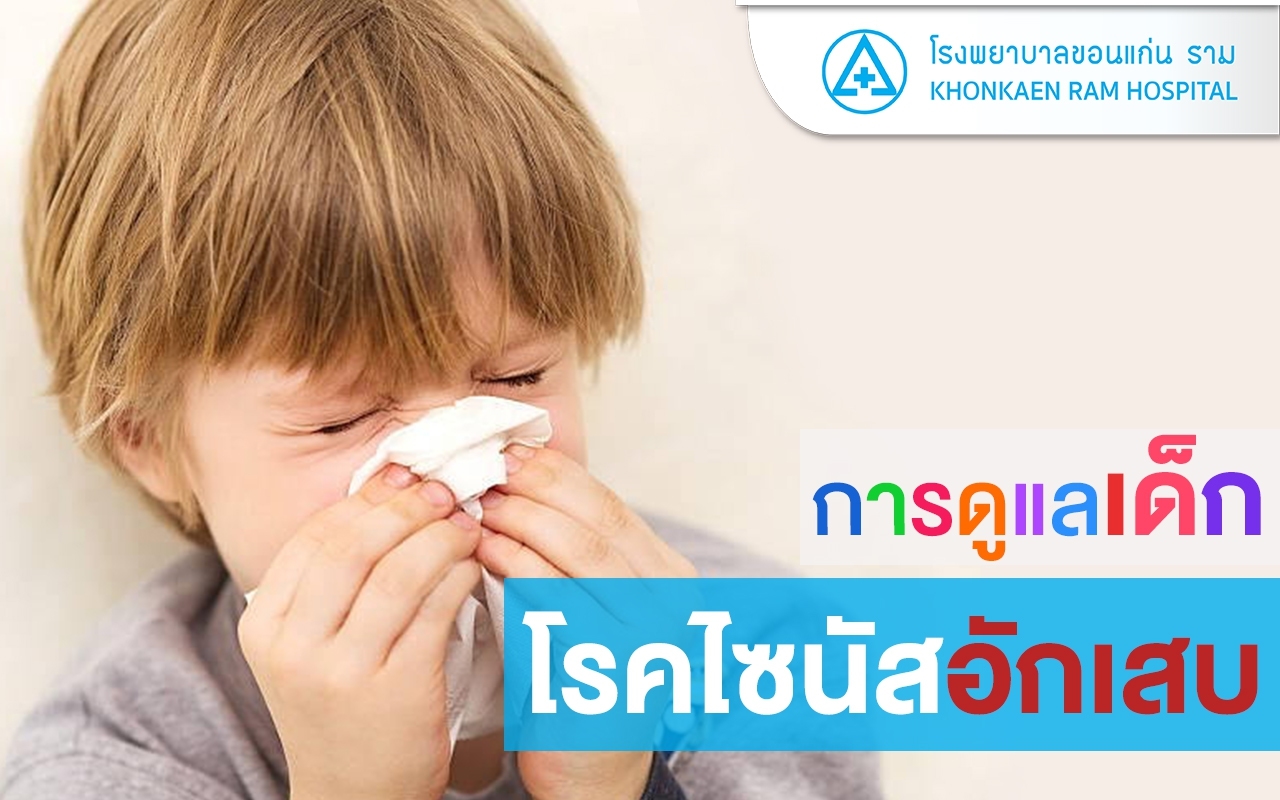
Sinuses are air-filled cavities within the skull. Their primary functions are to produce mucus that protects and moisturizes the nasal passages, provide immune defense, and drain foreign particles from the nose down into the throat or out through the nostrils.
Causes
Sinusitis occurs when the nasal passages become swollen due to a common cold, allergic rhinitis, or the presence of foreign objects in the nose. This swelling leads to a blockage that causes mucus to become trapped within the sinus cavities. When this trapped mucus becomes infected, it turns into pus, leading to Sinusitis (inflammation of the sinuses).
Symptoms
- Thick nasal discharge, often green or yellowish, occurring throughout the day.
- Persistent cough, caused by post-nasal drip (mucus draining down the throat) irritating the airway.
- Bad breath (Halitosis).
- Difficulty breathing due to severe nasal congestion.
- Intense pressure or pain around the eyes, forehead, or sides of the nose. In some cases, severe pain may lead to nausea and vomiting.
Treatment and Management
- Antibiotics: To eliminate bacterial infections as prescribed by a physician.
- Trigger Avoidance: Identify and stay away from allergens such as dust mites, pollen, and other irritants.
- Nasal Saline Irrigation: Regularly flushing the nasal passages with a saline solution to clear mucus.
- Environment Control: Avoid exposure to cigarette smoke and crowded, poorly ventilated areas.
Warning Signs: When to See a Doctor
If you or your child develop a high fever, persistent cough, shortness of breath, or severe facial pain, please consult an ENT specialist for a proper diagnosis.





Related Packages
Dengue Vaccine
Protection against Dengue Fever for both children and adults.