Essential Guide for Moms: When Your Baby Gets Vaccinated
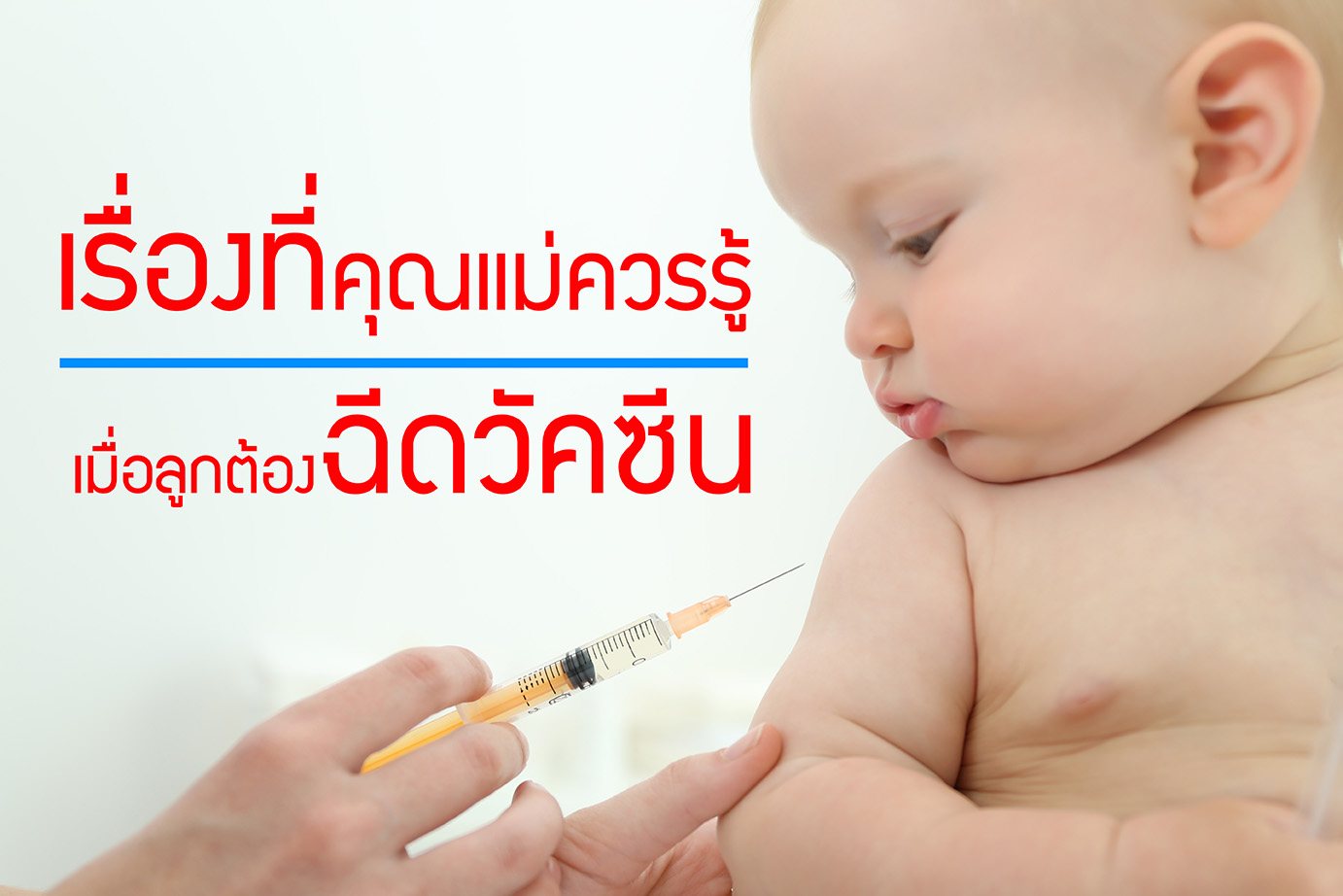
It is a normal part of parenthood to take your child for vaccinations. Vaccines work by stimulating the body to build its own immunity using weakened germs or parts of a germ. Because of this, it is common for side effects—such as a rash or fever—to occur as the body reacts. Here is how you can help soothe your child during this time.
Common Post-Vaccination Symptoms and Care
- Swelling, Redness, or a Hard Lump: If the injection site is very swollen, apply a cold compress to provide relief. This typically lasts 2–3 days. If the inflammation worsens or turns into pus, do not wait; take your child to see a doctor immediately.
- Fever: If a fever develops, wipe your child's body with a damp cloth, focusing on the neck and joints to lower the temperature. If the fever persists, administer fever-reducing medication as recommended by your doctor. Do not give medication beforehand to "prevent" a fever. Symptoms usually resolve in 2–3 days.
Emergency Case: If your child has a high fever and experiences a seizure, lay them on their side with their head tilted slightly down to keep the airway clear. Do not put anything (fingers, spoons, etc.) in their mouth, as this can cause choking. Seek emergency hospital care immediately. - Rashes: Some vaccines, like MMR or Chickenpox, may cause a rash and fever 5–7 days after the injection. These typically disappear on their own within a week. However, keep an eye out for severe allergic reactions, such as swelling around the eyes or neck and difficulty breathing. If these occur, seek immediate medical attention.
By observing your child and preparing to handle side effects correctly, you can reduce anxiety about their health. Hang in there, parents!
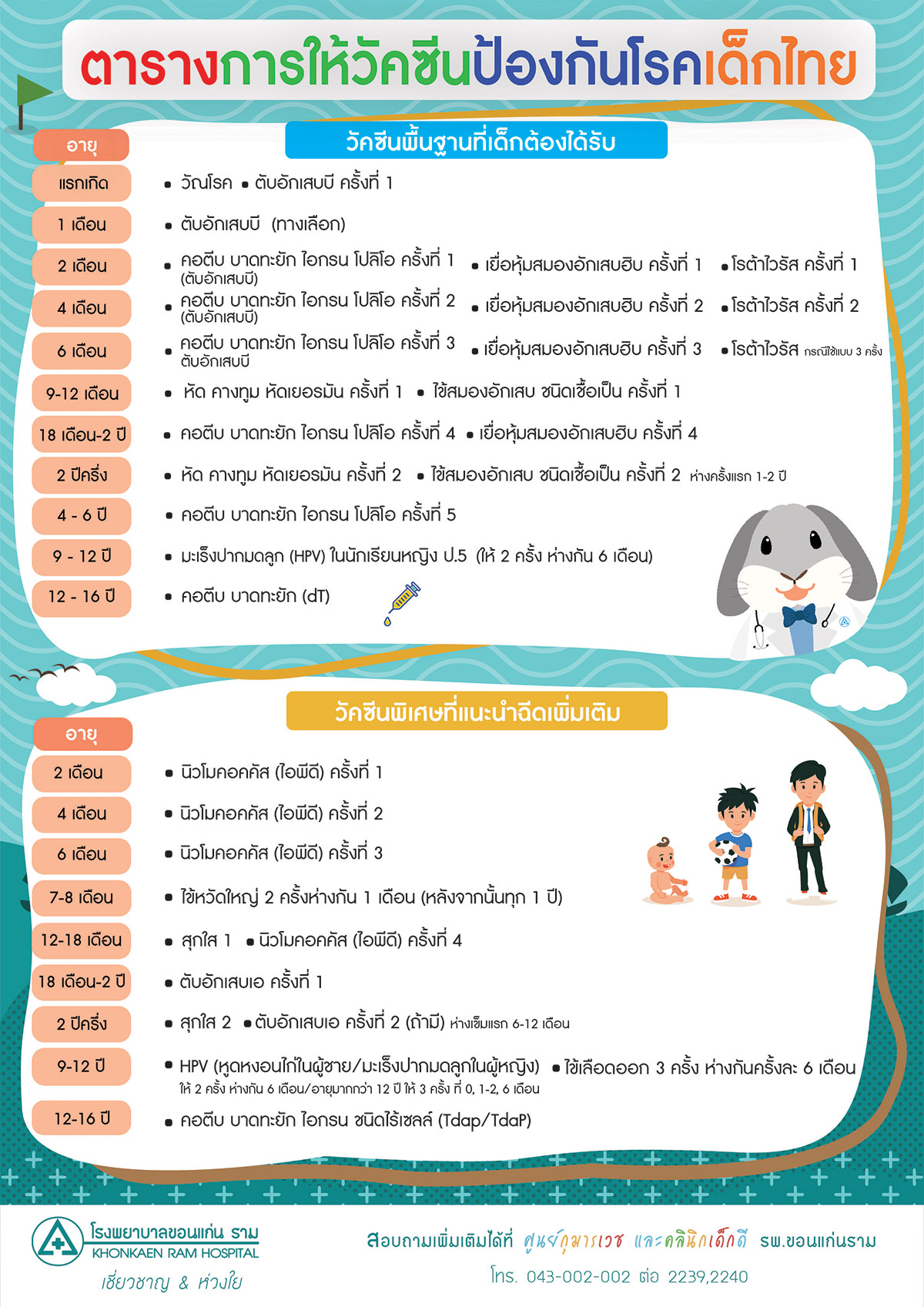
Standard Pediatric Immunization Schedule





Related Packages
Dengue Vaccine
Protection against Dengue Fever for both children and adults.
Price:
2,800 THB / Dose
Call us