Treating Depression with TMS Technology
Many patients with depression feel weary and discouraged with their treatment due to medication side effects, such as nausea, insomnia, fatigue, or drowsiness.
Currently, TMS technology is used to treat depression. It is safe and effective, allowing for a reduction in medication dosage and subsequently minimizing drug side effects.
Depression can be successfully treated if the correct and appropriate medical intervention is received in a timely manner.
How does TMS treat depression?
TMS (Transcranial Magnetic Stimulation) technology involves sending magnetic pulses to stimulate brain cells in the areas that regulate mood and emotions. This triggers the release of neurotransmitters and rebalances brain function to a normal state, thereby reducing depressive symptoms.
It is particularly beneficial for patients who suffer from medication side effects, do not respond well to medication, require high doses, or have been on medication for over a year without significant improvement.
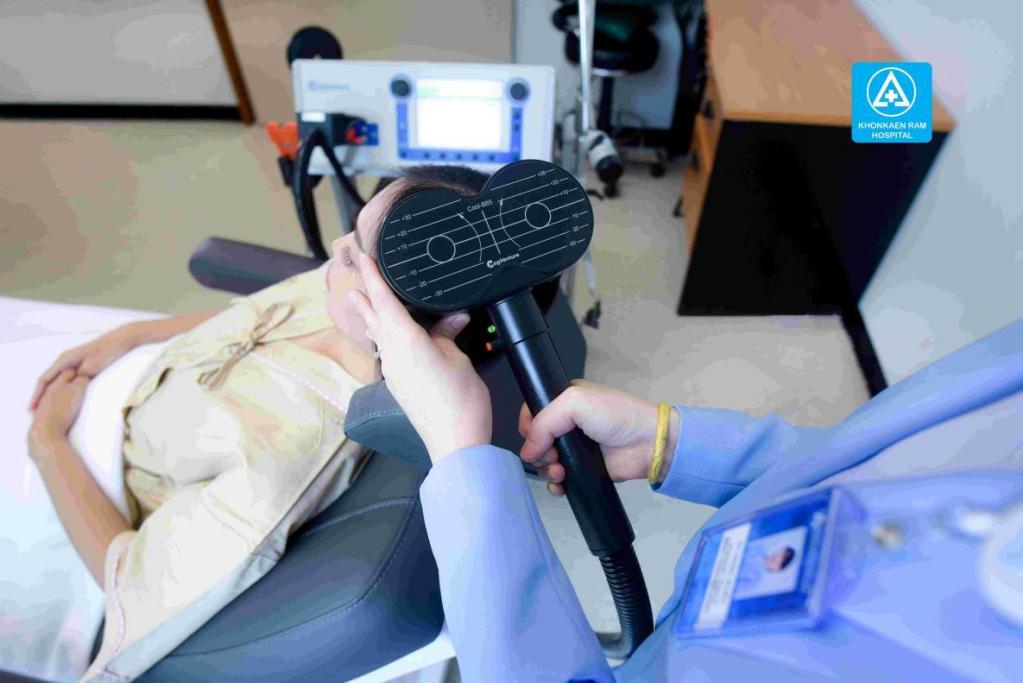
Treatment Procedure
Once a physician diagnoses and evaluates the symptoms and prescribes TMS therapy, a specialist nurse will place the magnetic coil against the patient's head. The process is simple: it requires no special preparation, no fasting, and is performed as an outpatient procedure without the need for hospitalization.
Each session lasts 15-30 minutes, usually scheduled 5 times per week for 4-6 consecutive weeks. The total number of sessions depends on the severity of the condition. For optimal results, treatment should be continuous as recommended by the physician.
Additionally, TMS is used to treat other conditions, such as pain from Office Syndrome, neurological disorders like stroke recovery (paresis/paralysis), Obsessive-Compulsive Disorder (OCD), insomnia, anxiety, Bell's palsy, and Parkinson's disease.
If you suspect that you or a loved one may be at risk of depression, consulting a psychiatrist is often more effective than just talking to close friends. For those who prefer not to take medication, alternative options include counseling or TMS brain stimulation to restore mental health and return to a normal lifestyle.