Knee Osteoarthritis and Prevention
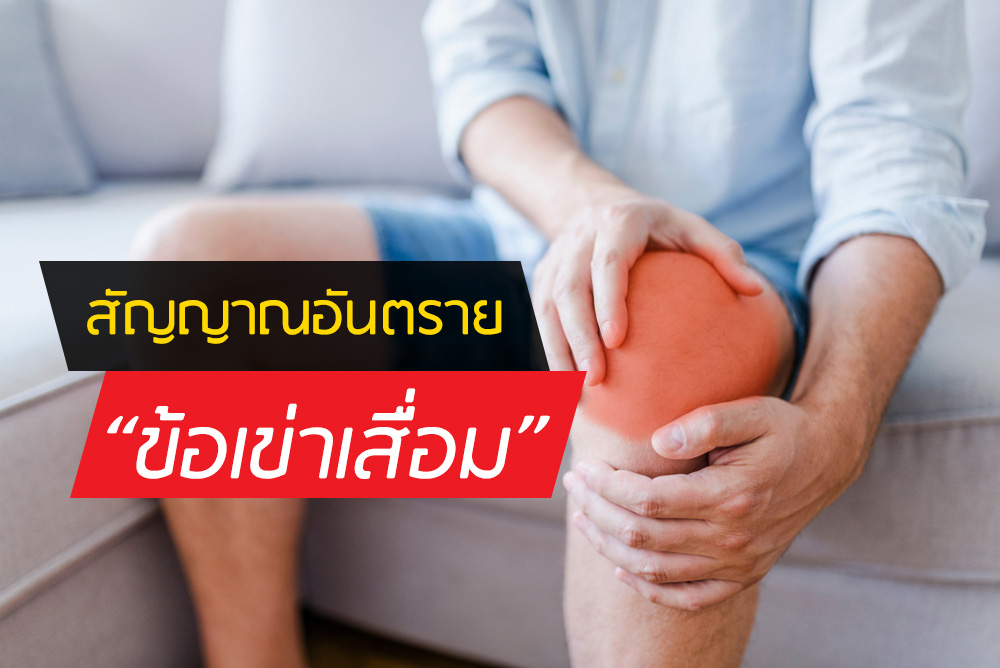
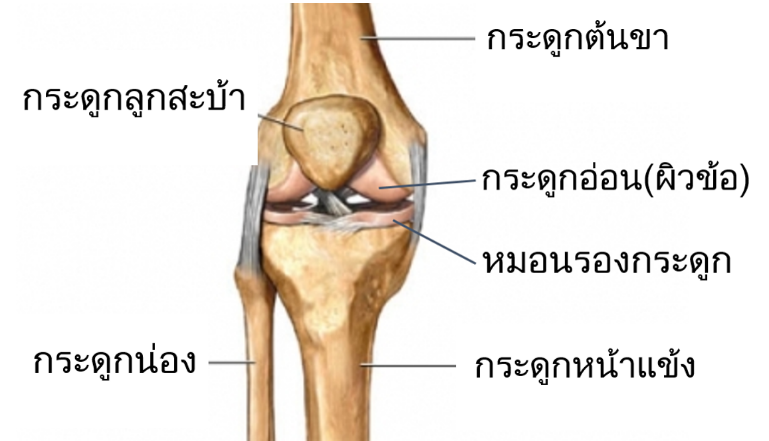
Knee Osteoarthritis (OA) occurs when the protective cartilage that cushions the ends of the bones in the knee joint gradually wears away. Without this smooth surface, the bones rub directly against each other during weight-bearing activities, resulting in pain.
In chronic cases, the body attempts to repair the damage by developing irregular bone growths called "bone spurs" (osteophytes). These growths interfere with joint movement and cause a grinding or clicking sensation.
In advanced stages, the alignment of the leg may change, leading to "bow-leggedness" (varus deformity) or "knock-knees" (valgus deformity), which further disrupts the normal weight distribution on the joint.

Do You Have These Symptoms?
- Severe pain when kneeling, sitting cross-legged, standing up, or climbing stairs, which improves with rest.
- Grating sensations or audible "popping" sounds in the knee during movement.
- Joint stiffness, especially in the morning or after long periods of inactivity.
- Reduced range of motion; inability to fully straighten or bend the knee.
- Swelling, redness, or a feeling of warmth in the joint caused by fluid accumulation (effusion).
- Muscle atrophy (thinning of the leg muscles) compared to the healthy side.
- Visible deformity, such as bowing or misalignment of the legs in chronic cases.
Who is at Risk?
- Aging: Most common in individuals aged 40 and above.
- Gender: More prevalent in women than men.
- Weight: Being overweight, particularly with a BMI over 23 (Asian standard).
- Joint Overuse: Frequent kneeling, squatting, or sitting cross-legged.
- Previous Injuries: History of knee trauma or ligament tears.
- Weak Muscles: Weakness in the quadriceps (thigh muscles).
- Underlying Conditions: Other types of arthritis like Rheumatoid Arthritis or Gout.
Post-operative Total Knee Arthroplasty (TKA)
Treatment Options
- Medication: Pain relievers, anti-inflammatories, and supplements for cartilage health.
- Viscosupplementation: Hyaluronic acid injections to lubricate the joint.
- Physical Therapy: Deep heat therapy and exercises to strengthen the muscles surrounding the knee.
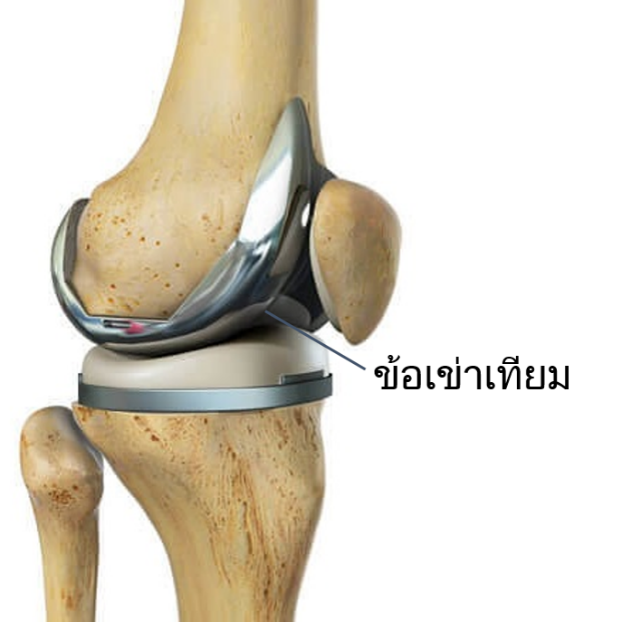
- Total Knee Replacement (Arthroplasty): Recommended when pain is severe and conservative treatments fail, or when deformity hinders daily life.
How to Protect Your Knees
- Manage Your Weight: Reducing body weight significantly lowers the stress on your knee joints.
- Avoid High-Impact Postures: Limit prolonged squatting, kneeling, or sitting cross-legged, as these positions apply higher-than-normal pressure on the kneecap.
- Moderation in Exercise: Avoid excessive high-impact sports that cause repetitive trauma to the joints.
- Strengthen Thigh Muscles: Regularly perform exercises to strengthen the quadriceps and surrounding muscles to help support and stabilize the knee.