Low Back Pain (ปวดหลังช่วงล่าง)
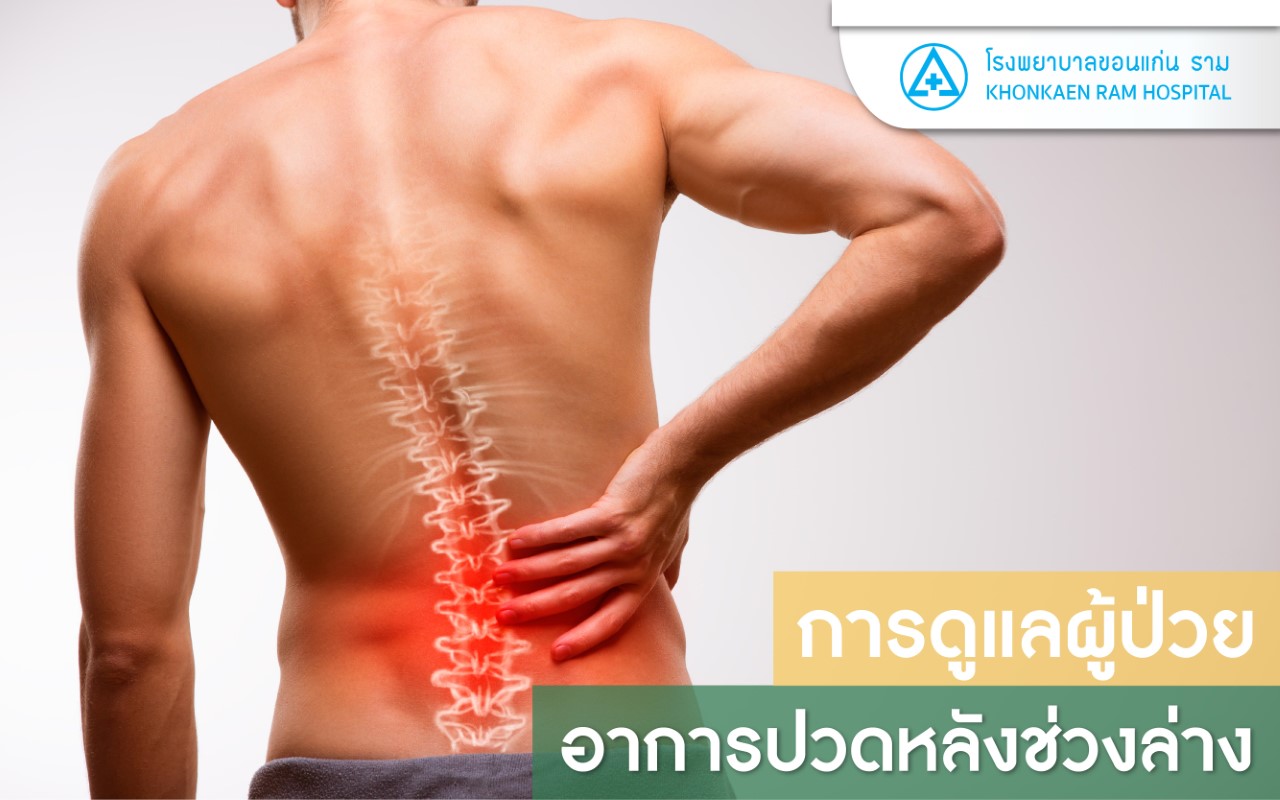
Lower back pain can result from the degeneration or diseases of muscles, ligaments, bones, and spinal discs. This wear and tear often triggers the body's repair mechanism, leading to small bone spurs (osteophytes) that can compress the lower spinal nerves. As the lower back supports the body's weight and is constantly used for movement, balance, work, and sports, cellular degeneration is common as we age.
Causes
- Muscle Overuse: Excessive strain leading to muscle injury and inflammation.
- Degenerative Conditions: Herniated or degenerative discs, spinal compression from osteoporosis, and Spinal Stenosis (narrowing of the spinal canal) which pinches nerves.
- Infections & Autoimmune Diseases: Infections of the bone or tissue, or inflammation from autoimmune disorders.
- Cancer: Metastasis (spread) of cancer to the lower spine.
- Spinal Displacement: Spondylolisthesis (slipped vertebrae) caused by lifting heavy objects or sports injuries.
- Referred Pain: Pain originating from abdominal or pelvic organs, such as the prostate, uterus (endometriosis), kidney stones, or bladder infections.
[Image of a herniated disc compressing a spinal nerve]
Symptoms
Pain localized over the lower vertebrae or across the entire lower back. The pain may radiate down one leg (sciatica). Patients may find it difficult to move, bend over, or stand straight due to intense pain.
Treatment
Treatment focuses on the underlying cause alongside supportive care, such as:
- Pain relievers and muscle relaxants.
- Alternating hot and cold compresses.
- Physical Therapy to strengthen supporting muscles.
Self-Care Guidelines
- Rest your back: Be mindful of your posture while sitting, standing, walking, and especially when lifting objects.
- Medication: Take oral pain relievers or apply topical ointments as prescribed by your doctor.
- Stay Active: Try to move as much as tolerated; excessive immobilization can actually worsen pain and stiffness.
- Temperature Therapy: Use hot or cold compresses based on what provides you the most relief.
- Lumbar Support: Braces may help some individuals but should be used for short periods only to prevent back muscles from weakening (atrophy).
- Weight Management: Reducing excess weight decreases the load on your spine.
[Image of correct posture for sitting and lifting heavy objects]
When to See a Doctor
You should seek medical advice if the pain worsens significantly or if symptoms do not improve within 6 weeks of self-care.