Does Osteoporosis Cause a Stooped Posture?
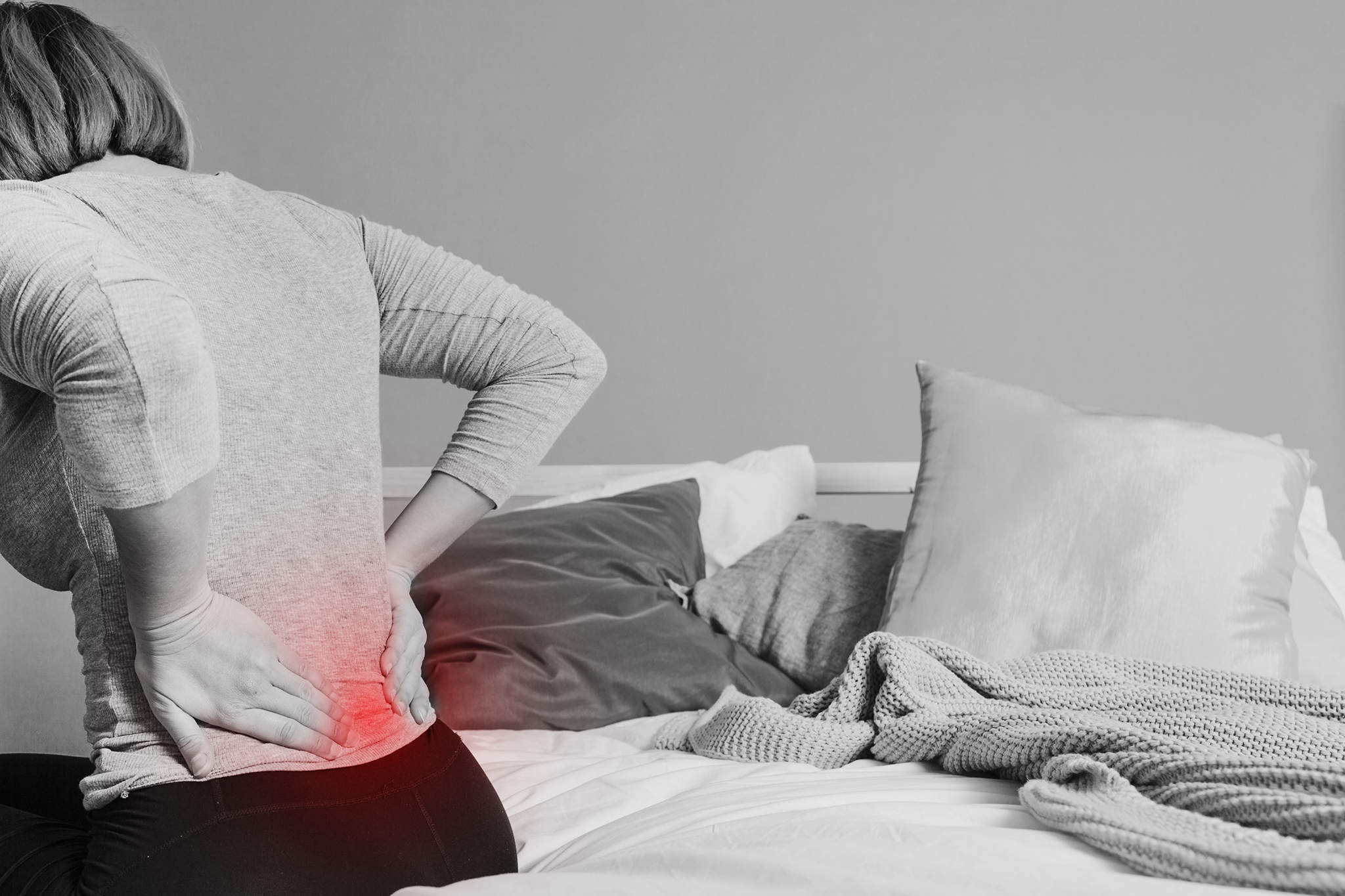
Osteoporosis is a condition characterized by decreased bone density and mass. The bones become similar to old, decaying wood—brittle and fragile. If a fracture occurs in a critical area like the spine, it can lead to permanent disability.
Causes of Osteoporosis
It occurs when the body loses too much bone, makes too little bone, or both. This may be due to insufficient calcium intake or abnormalities in bone cells. Key risk factors include aging, declining estrogen levels (menopause), genetics, certain underlying illnesses, long-term use of specific medications, and lifestyle habits.
Symptoms to Watch For
Patients often don't know they have osteoporosis until a bone breaks. However, there are signs that warrant immediate attention:
- Fractures of the wrist, arm, hip, or spine that occur easily, even from minor impacts.
- Loss of height over time.
- A stooped posture or a curved upper back (Kyphosis).
- Chronic back pain.
Treatment Options
Treatment aims to stimulate bone-forming cells and reduce the activity of bone-dissolving cells. This typically involves medication, hormone therapy, and bone-strengthening supplements.
How to Prevent Osteoporosis
- Calcium-Rich Diet: Consume milk, cheese, small fish with bones, dried shrimp, tofu, red beans, and dark leafy greens.
- Limit Caffeine and Protein: Excessive intake can cause the kidneys to excrete more calcium than usual.
- Reduce Salt and Alcohol: High sodium and alcohol levels interfere with calcium absorption.
- Weight-Bearing Exercise: Regularly engage in activities like weightlifting, walking, running, aerobics, or jumping rope.
- Vitamin D: Get moderate sunlight in the morning or evening to help the body synthesize Vitamin D, which is essential for bone health.
- Maintain a Healthy Weight: Being underweight is linked to lower bone mass and a higher risk of osteoporosis.
- Quit Smoking: Smoking promotes bone mineral loss.
- Monitor Steroid Use: Long-term use of corticosteroids can accelerate calcium depletion.
- Regular Screenings: Stay informed about your bone health through routine check-ups.
Are You at Risk?
A Bone Densitometry (BMD) scan is a highly accurate way to assess your risk of osteoporosis. This specialized test analyzes bone density throughout the body.
The machine uses advanced X-ray absorption technology and computer processing to measure bone mineral density and tissue composition in a single scan.
The procedure is simple: You lie still on the scanner for about 5 minutes. It is painless, non-invasive, and completely safe. Early detection through BMD allows doctors to create a treatment plan before a serious fracture occurs.