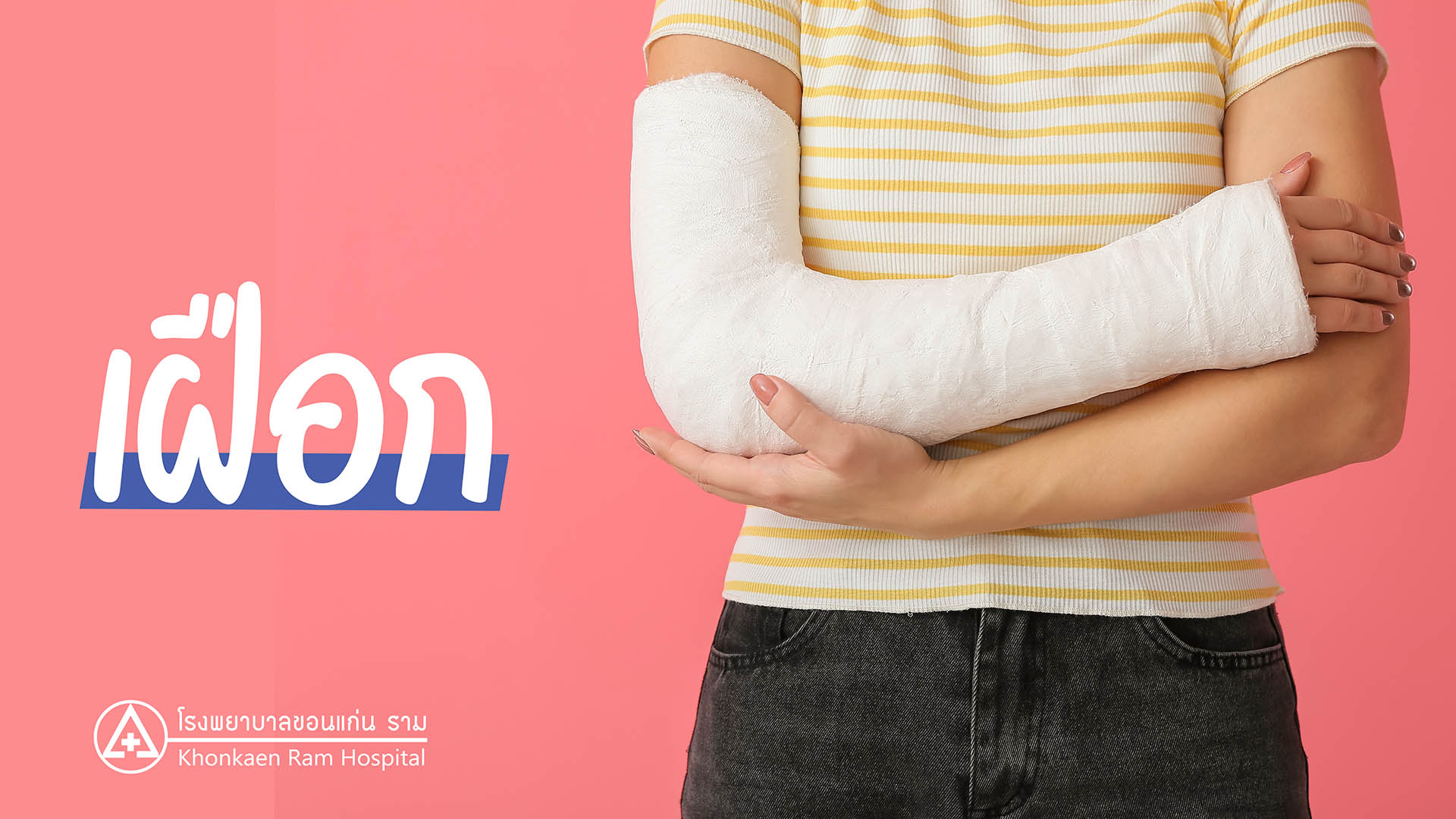
A cast or splint is a supportive device used to protect and immobilize injured bones and joints. While the cast keeps the injured area still to promote healing, you can still move other parts of your body that are not enclosed. It also helps protect the surrounding soft tissues during recovery.
Objectives of Wearing a Cast
- To immobilize fractured bones or injured joints in the correct position for healing.
- To rest an inflamed or infected area (such as bone infections or abscesses) to reduce pain and swelling.
- To prevent joint deformities caused by muscle spasms in patients with paralysis or severe burns.
- To correct physical deformities by gradually stretching the area back to its normal position through serial casting (e.g., in cases of scoliosis).
- To prevent fractures in bones weakened by disease, such as bone tumors.
Caring for Your New Cast
A cast usually hardens within 3–5 minutes after application. However, even when hardened, it remains damp and easily dented for about 1–2 days. Once completely dry, the cast becomes much stronger and lighter. Proper care will ensure your cast lasts until your next appointment.
During the first 3 days after application:
- Prevent Dents and Cracks: While the cast is still damp, place it on a soft surface like a pillow or sponge. Avoid resting it on hard surfaces like concrete floors or chair armrests. Move carefully and do not press or squeeze the cast with your fingertips.
- Keep it Ventilated: Place the cast in an open area with good airflow. Do not cover it with blankets. You may use a fan to help it dry faster, but never use a heater or open flame to dry the cast.
Once the Cast is Completely Dry
- Keep it Dry and Clean: Avoid wet grass or puddles. When showering, wrap the cast in multiple layers of plastic bags, securing them at different levels above the cast to ensure a waterproof seal.
- Do Not Bear Full Weight: Unless your doctor has attached a rubber walking heel to the cast, do not use it to support your full body weight.
- Wait for Permission: Do not walk on the cast until your doctor explicitly allows you to do so.
General Rules While Wearing a Cast
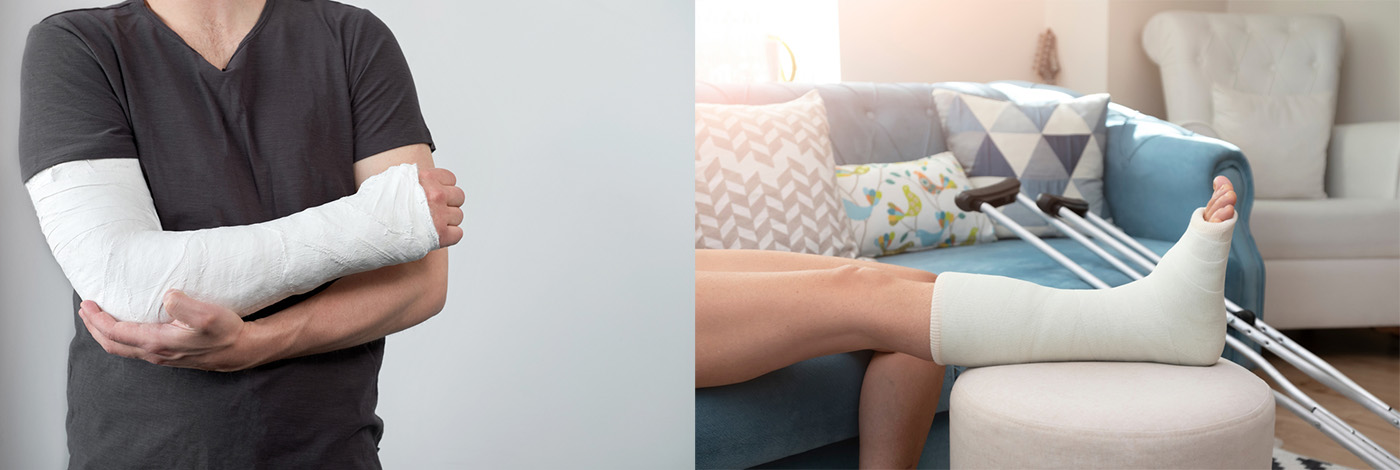
- Muscle Contractions: Frequently flex and relax the muscles under the cast. Move any exposed joints nearby; for example, if you have a leg cast, wiggle your toes often and flex your calf muscles.
- Do Not Tamper: Never cut the cast or remove the cotton padding yourself.
- Avoid Impact: Do not hit the cast against hard objects or apply pressure that could cause it to crack or collapse.
- No Itching Tools: Do not insert sharp or solid objects (like sticks or hangers) into the cast to scratch an itch. This can cause skin abrasions and infections. Instead, try flexing your muscles or use a specialized anti-itch spray for casts.
- Elevation: Always keep the casted limb elevated above the level of your heart to improve circulation and reduce swelling. Use pillows when sitting or lying down. For arm casts, use a sling when standing or walking.
- Keep Appointments: Always see your doctor as scheduled.
Warning Signs: Contact Your Doctor Immediately If:
- The hand or foot enclosed in the cast becomes severely swollen.
- You experience intense pain or a burning sensation that does not improve with elevation or pain medication.
- Your fingertips or toenails appear blue, purple, or much darker than the other side.
- You feel increasing numbness or a "pins and needles" sensation.
- You lose the strength to move exposed fingers or toes (e.g., unable to make a fist).
- A pulse that was previously felt becomes weak or cannot be found.
- Pus, unusual fluid, or a foul odor comes from inside the cast.
- The cast cracks, breaks, or becomes soft.
- The cast feels too loose or develops an internal "pitting" or pressure point.
Related Packages
Call us