First Aid for Burns (การปฐมพยาบาลบาดแผลไฟไหม้)
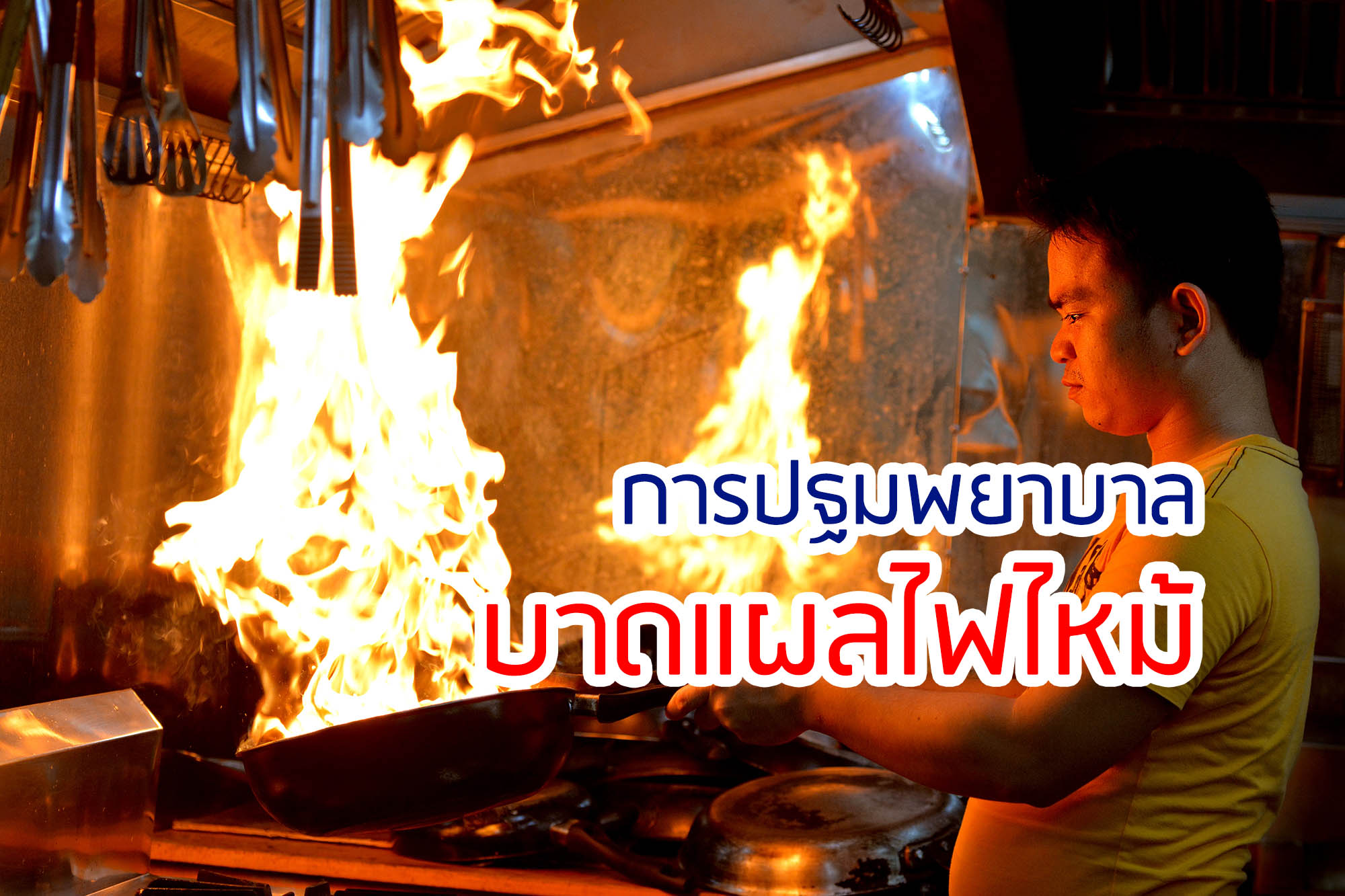
Burn injuries can be caused by various sources: flames, electrical shocks, chemicals (acids or alkalis), hot objects, or scalding liquids. The severity of the injury depends on factors such as contact duration, the size and depth of the burn, and its location on the body.
Minor burns may heal on their own, but severe injuries can lead to infections and serious complications, potentially resulting in disability or death.
 |
 |

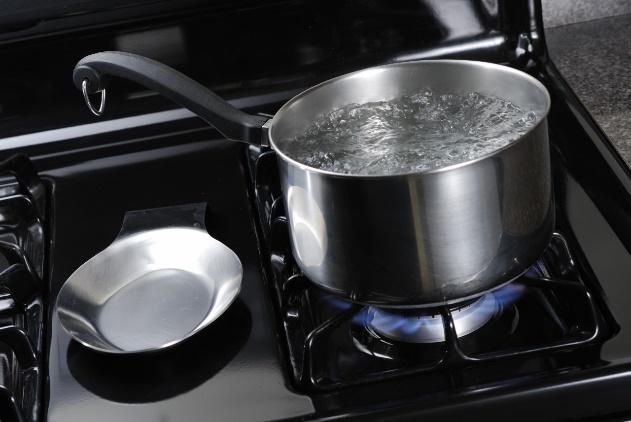
- Cleanse: Rinse the wound with clean, room-temperature water. Run water over the area or soak it for 15–20 minutes until the burning sensation subsides.
- Cover: Protect the wound with sterile gauze or a clean, dry cloth.
- Seek Help: If the burning pain persists or worsens, or if you notice skin peeling, blisters, or skin color changes, go to the hospital immediately.
Important Precautions
- No "Home Remedies": Do not apply toothpaste, fish sauce, ointment, or any condiments to the wound. These can cause infection and make the injury harder to treat.
- Facial Burns: If the face is burned, seek medical help immediately. Avoid applying any creams beforehand, as facial skin is highly sensitive and requires professional discretion.
- Vulnerable Groups: Burns in children and the elderly are dangerous even if they appear small. These cases should always be evaluated by a doctor.
Classification of Burn Severity
- First-Degree Burn: Red skin, painful to the touch, no blisters.
- Second-Degree Burn: Appearance of clear blisters. If they burst, the skin underneath is pink/red and weeping fluid. Skin elasticity remains normal.
- Third-Degree Burn: The entire thickness of the skin is destroyed. The area appears dry, hard, and charred. There is no pain because the nerve endings are destroyed, and hair follicles are lost.

First-Degree Burn

Second-Degree Burn

Third-Degree Burn
Post-Treatment Self-Care
- Keep the wound clean at all times.
- Follow the doctor’s medication and topical cream instructions strictly.
- Avoid dust and contact with animals to prevent irritation and infection.
- Nutrition: Eat a high-protein diet (meat, milk, eggs, beans) to speed up tissue regeneration and healing.
- Aftercare: Once healed, use sunscreen on the area for 3–6 months and apply lotion to reduce dryness and itching.
Advancements in modern burn care, including high-quality dressings and close monitoring, can significantly reduce pain and scarring. Early professional treatment is essential for the best recovery.
Related Packages
ผ่าตัดนิ่วในถุงน้ำดี แบบส่องกล้อง
แผลเล็กเจ็บน้อย ฟื้นตัวเร็ว ลดภาวะแทรกซ้อน
Men's Sexual Health Restoration
No pills, no supplements—Treat and restore performance with FSWT.