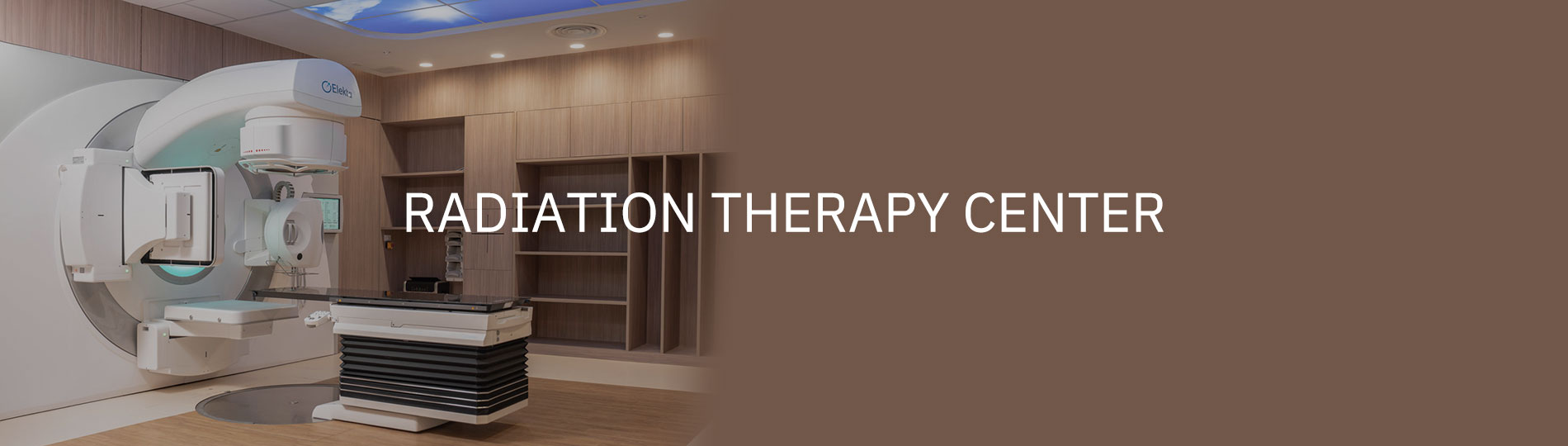
Khon Kaen Ram Hospital provides external beam radiation therapy for patients needing treatment for cancer, tumors, and keloids. We use advanced radiation technology with high-energy electromagnetic waves that can precisely target the location and intensity of the disease. Our team includes specialized doctors and experienced experts.
Khon Kaen Ram Hospital's Radiation Therapy Center (located at parking area 3, behind Building 2 dormitory). Tel: 043-002-088
The following patients are eligible for our services:
- Self-pay patients
- Patients with corporate contracts
- Patients with health insurance that covers cancer treatment
- Government officials & their families
Required Patient Documents
- Referral letter from the original hospital/organization
- National ID card
- Pathology report (biopsy results)
- Lab results (Chemistry no older than 1 month, Serology no older than 3 months)
- CT, MRI results with CD
**Q: What if the patient travels from far away and cannot commute daily?**
A: The hospital offers accommodation for patients and their families, located opposite the Khon Kaen Ram Radiation Therapy Center.
**Q: What if a patient has no family to stay with them?**
A: The hospital has a KKram Nursing Care Center, staffed by an ICU team 24 hours a day.
**Q: What about patients who need chemotherapy and radiation at the same time (Chemoradiotherapy)?**
A: The hospital provides chemotherapy services by a specialized oncologist.
Radiation Therapy
Radiation therapy uses high-energy radiation to treat cancer by delivering radiation directly to the disease site.
The radiation used for treatment is generated by a machine called a **Linear Accelerator (LINAC)**.
The radiation damages or kills cancer cells, which the body then eliminates. While normal cells are also affected, they have a better ability to repair themselves than cancer cells, allowing more cancer cells to be destroyed.
Therefore, the goal of treatment is to deliver the highest possible radiation dose to the tumor while minimizing the dose to the surrounding healthy tissues to limit side effects.
Today's radiation techniques are highly advanced, allowing radiation oncologists to precisely target tumors. This means less radiation reaches the surrounding healthy tissues.
Radiation therapy is not painful; it feels similar to a regular X-ray. There is no radiation left in the body after treatment, so patients can interact with others normally.
Patients in the early stages can be cured. For those in advanced stages, while radiation may not cure the disease, it can alleviate symptoms and pain.
Additionally, radiation therapy does not cause cancer to spread. Instead, it destroys cancer cells within a defined area, which helps prevent spread and control the disease. It can destroy tumors and relieve cancer-related pain.
|
Head & Neck Region |
Brain cancer, nasopharyngeal cancer, nasal cavity and sinus cancer, oral cancer, throat cancer, laryngeal cancer, salivary gland and thyroid cancer. |
|
Chest Region |
Breast cancer, lung cancer, esophageal cancer, lymphoma. |
|
Abdominal Region |
Stomach cancer, liver cancer, pancreatic cancer, kidney cancer, lymphoma. |
|
Lower Abdominal & Pelvic Region |
Colorectal cancer, bladder cancer, uterine cancer, cervical cancer, prostate cancer. |

- **3D Conformal Radiation Therapy (3D-CRT)**: This technique uses CT scan images to define the tumor's location. The radiation beams are shaped and sized to conform to the tumor using a **Multileaf Collimator (MLC)**, a device with lead "leaves" that allows for precise shaping of the beam. This delivers a high radiation dose specifically to the tumor, while reducing the dose to surrounding healthy tissues and minimizing side effects.
- **Intensity Modulated Radiation Therapy (IMRT)**: This advanced computer-based technique adjusts the intensity of the radiation beam within each direction (beam angle). This allows the radiation dose to be tailored to the irregular shape of the tumor. The radiation intensity is higher in thicker tumor areas and lower in thinner ones. The MLC is used to precisely modulate the beam intensity, directing it to the tumor while sparing nearby healthy organs. This allows for a higher radiation dose to the tumor, increasing the effectiveness of disease control while keeping it safe.
- **Volumetric Modulated Arc Therapy (VMAT)**: An evolution of IMRT, VMAT involves the radiation machine rotating around the patient while continuously adjusting the radiation intensity. It also controls the dose rate and the speed of the machine's rotation. This reduces treatment time, making the procedure more accurate and efficient. It minimizes the dose to healthy tissues around the tumor, which in turn reduces side effects.
1. CT - Simulator
This machine scans images to pinpoint the location of the disease and is used for treatment simulation before the patient receives actual radiation therapy.
The CT - Simulator can scan images and pinpoint the location of the cancer, tumors, and surrounding vital organs. It also helps define the radiation beam's placement, providing doctors and the expert team with comprehensive information for treatment planning.
The importance of radiation simulation with a CT - Simulator is that it allows the doctor to determine the precise location and size of the cancer, enabling them to calculate an optimal radiation dose for the tumor while ensuring that surrounding healthy organs receive the lowest possible dose.

2. Linear Accelerator (LINAC) (ELEKTA Infinity Radiation Machine)
This machine delivers both 6 MV and 10 MV photon radiation and 6, 9, and 12 MeV electron radiation, allowing for effective treatment of cancer at various depths. It features a special Multileaf Collimator (MLC) with 160 leaves (80 pairs), which can precisely shape the radiation field to match the tumor's contours.
It can deliver radiation using multiple techniques, from **3D Conformal Radiation Therapy (3D-CRT)** to more complex methods like **Intensity Modulated Radiation Therapy (IMRT)** and **Volumetric Modulated Arc Therapy (VMAT)**. These advanced techniques significantly reduce the radiation dose received by surrounding healthy organs.

1. Before Radiation Therapy
Once a patient has been diagnosed with cancer by a specialized oncologist, the doctor will recommend a course of treatment. Radiation therapy is one of the available options.
The patient will then meet with a radiation oncologist, who will take a detailed medical history, perform a physical examination, and order blood tests before treatment begins.
All patients undergoing radiation therapy with a LINAC machine must go through two main processes:
1) Radiation Therapy Simulation with a CT - Simulator
- To determine the exact location and boundaries of the radiation field, ensuring maximum efficacy in targeting the tumor.
- This simulation places the patient in the same position they will be in during the actual treatment.
- During this step, a custom immobilization device may be created for the patient. This device helps the patient stay perfectly still, ensuring maximum precision throughout the entire course of radiation.
2) Treatment Planning
After the CT - Simulator session, the medical team uses a computer system and advanced technology to plan the radiation therapy. They accurately define the location and size of the tumor, determine the direction and boundaries of the radiation beams, and calculate the radiation dose. The goal is to deliver a uniform dose to the tumor while minimizing the dose to surrounding healthy tissues.
2. Radiation Treatment with the Linear Accelerator (LINAC)
- A specialized technician will position the patient for the radiation session.
- Once correctly positioned, the patient's body will be immobilized to ensure accuracy. The technician will then operate the machine from a control room outside the treatment room.
- During the session, the machine's head will move around to direct the radiation beams to the tumor. You may hear a buzzing sound as the machine emits radiation.
- Patients will not feel any pain or a burning sensation on their skin.
- Patients can communicate with the technician through a microphone at all times.
- The radiation session itself takes about 5-15 minutes, but the total time, including positioning, is approximately 30 minutes.
- Patients do not need to be hospitalized. They can go home right after the session and resume normal daily activities.
3. Number of Radiation Sessions
- The radiation oncologist will periodically assess the patient's response to treatment. If the tumor shrinks significantly, another simulation and treatment plan may be needed. In some cases, treatment may be temporarily paused if the patient experiences severe side effects.
- If there are no issues, patients should receive radiation therapy consistently. Typically, sessions are held 5 days a week, with a 2-day break, for 1 to 8 consecutive weeks.
- The number of sessions depends on the size and type of cancer, the patient's overall health, the treatment plan, and whether other treatments are also being administered.
4. Treatment Follow-up
- **Weekly check-ups**: During the course of treatment, the radiation oncologist will see the patient weekly to assess side effects, provide advice, and answer any questions from the patient or family.
- **Post-treatment follow-up**: After completing the full course of radiation, follow-up appointments, blood tests, and other examinations will be scheduled frequently during the first 2-3 years and will become less frequent over time. If a patient experiences any problems, they can request an earlier appointment.
5. Radiation Side Effects
- The likelihood and severity of side effects from radiation therapy vary depending on age, health, nutritional status, co-existing illnesses, the radiation technique used, the dose received, and the number and location of the treatment sessions, as well as any concurrent treatments.
- Common side effects include fatigue, loss of appetite, and skin reactions in the treated area, such as hot flashes, dryness, itching, redness, or darkening. These symptoms are usually mild, temporary, and gradually disappear after the treatment is completed.
- These side effects can be minimized or prevented by strictly following the doctor's recommendations.
Self-Care During Radiation Treatment
- Eat a healthy diet rich in vitamins, including eggs, fish, meat, various beans and nuts, fruits, and vegetables. Avoid losing weight.
- Drink at least 2,000-3,000 cc of water daily to help regulate body temperature.
- Maintain good hygiene for all parts of the body.
- Get at least 6-8 hours of sleep per night. Inform your doctor if you experience insomnia.
- Exercise regularly according to your physical condition and maintain normal daily activities.
- Avoid crowded places.
- Refrain from consuming alcohol and smoking.
- Keep a relaxed state of mind. Engage in enjoyable activities like reading, watching movies, listening to music, and talking to others.
- If you experience constipation, diarrhea, headache, body aches, fatigue, loss of appetite, a sore mouth or throat, difficulty swallowing, or skin inflammation, you should inform your doctor or staff.
Caring for the Irradiated Area
The irradiated area is particularly sensitive and may become inflamed. You should care for it as follows:
- Wash with clean water and mild soap. Do not rub; pat dry with a soft cloth. Avoid high-pressure shower heads.
- Do not apply soap to the marked lines, as it may erase them. If the lines fade, inform the staff. Do not redraw the lines yourself.
- Avoid using lotions, perfumes, powders, creams, and cosmetics that contain alcohol or heavy metals, as they can cause skin dryness and irritation.
- Do not rub, scratch, or apply hot/cold compresses to the irradiated area. Do not use adhesive plasters or balms.
- Wear loose, soft clothing to reduce skin friction.
- Avoid swimming in the sea or chlorinated pools, as chlorine can dry out and irritate the skin.
- Avoid strong sunlight. Always wear protective clothing, a hat, or use an umbrella.
Self-Care During Radiation Therapy
- General Self-Care During Radiation Therapy
- Self-Care When Receiving Radiation to the Abdominal and Pelvic Regions
- Self-Care When Receiving Radiation to Female Reproductive Organs
- Self-Care When Receiving Radiation to the Mouth and Throat
- Self-Care When Receiving Radiation to the Chest and Breast
Self-Care After Completing Radiation Therapy
- Continue the same self-care regimen as during treatment for about one month.
- If you experience abnormal symptoms such as high fever, abnormal bleeding, severe diarrhea, nausea or vomiting, or discover new lumps, contact a doctor immediately.
- Attend all follow-up appointments regularly.
Nutrition: A Crucial Part of Cancer Patient Care
The best preparation for a cancer patient before undergoing treatment is to maintain good health. This requires a balanced and sufficient intake of nutrients according to nutritional principles, as it is important for the following reasons:
- It strengthens the body enough to protect healthy tissues from damage caused by treatment.
- It helps reduce treatment side effects.
- It prevents malnutrition, which can easily lead to complications.
- It helps the body recover faster from illnesses caused by the treatment.
If a patient's nutrient intake is insufficient, leading to weight loss, they will become weak, easily fatigued, have a reduced immune system, and be prone to infections. This can negatively impact the effectiveness of their treatment.
Recommended Foods
- Fresh, clean, and newly cooked meals with all five food groups: protein, carbohydrates, minerals, vitamins, and fats.
- Eat various types of meat, choosing lean cuts. Fish is a good quality protein that is easy to digest and low in fat, so it should be consumed often.
- Eat eggs daily, especially egg whites, and drink high-protein, unsweetened milk.
- Vegetarian patients should consume eggs and milk to supplement their protein intake.
- Regularly eat a variety of colorful fruits and vegetables, such as ivy gourd, spinach, and broccoli.
Foods to Avoid
- Unfresh, unclean, or leftover food.
- Under-cooked, fermented, or pickled foods, such as papaya salad or spicy salads, which can cause diarrhea.
- Processed meats containing preservatives, such as sausages, ham, bacon, Chinese sausage, and fermented pork. Research shows these can stimulate cancer cells.
- During treatment, avoid fruits and vegetables that are eaten with the peel, such as grapes and rose apples. Instead, choose fruits that can be peeled, such as apples, papaya, bananas, and pomelos.
Chemotherapy
Often called "chemo," chemotherapy drugs are used to inhibit the growth of rapidly dividing cancer cells. These drugs work systemically, allowing them to eliminate cancer cells in the original site and in areas where the cancer has spread.
The goals of treatment can range from achieving a cure and preventing recurrence to controlling the disease by shrinking tumors and preventing further spread. In advanced stages, it can be used for palliative care to alleviate symptoms and improve the patient's quality of life.
Role of Chemotherapy
Chemotherapy is used as a primary treatment for advanced, metastatic cancer. For some types of cancer, even with metastasis, chemotherapy can achieve a cure, such as in cases of testicular cancer, lymphoma, and leukemia.
It is also used as an adjuvant treatment in combination with other therapies, such as surgery and radiation therapy. This includes:
- **Neoadjuvant chemotherapy**: Administered before surgery or radiation therapy to shrink the tumor, making the primary treatment easier. It also helps prevent the spread of cancer to other tissues or organs.
- **Adjuvant chemotherapy**: Administered after surgery or radiation therapy to prevent recurrence and reduce the chance of cancer returning. It helps eliminate any remaining cancer cells and prevents metastasis, thereby extending the patient's life.
- **Concurrent chemoradiotherapy (CCRT)**: Involves administering chemotherapy simultaneously with radiation therapy to enhance the cancer cells' sensitivity to both treatments. This is commonly used for cancers that respond moderately to both treatments and are in an advanced stage, such as oral cancer, nasopharyngeal cancer, and cervical cancer.
- **Palliative chemotherapy**: A treatment aimed at alleviating symptoms of advanced disease and improving the patient's quality of life.
Side Effects of Chemotherapy
Doctors can often manage and reduce the severity of chemotherapy side effects. These effects are usually temporary and subside once the treatment course is completed. Common side effects include:
- **Nausea and vomiting**: May occur within 24 hours of receiving the drug and can last for 3-7 days. The doctor will prescribe antiemetic drugs before each cycle, which are usually effective for most patients.
- **Fatigue and loss of appetite**: Can occur during the first week of each treatment cycle. The drugs can alter taste perception and decrease appetite. The cancer itself also consumes a patient's energy. Patients should consume small, frequent meals with adequate energy and protein from both plants and animals. They should also drink at least 6-8 glasses of water daily, get more rest, and avoid strenuous work or exercise to help alleviate these symptoms.
- **Low white blood cell count**: This leads to a weakened immune system and a higher risk of infection. It occurs because chemotherapy affects bone marrow function, reducing the production of blood cells, especially white blood cells. This is usually temporary, particularly within 10-14 days after treatment. Patients should practice self-care to avoid infection, such as washing hands before meals and after using the restroom, maintaining good oral hygiene to prevent mouth sores, and avoiding contact with people who have colds, fevers, or other infections, as well as avoiding crowded places. There are now medications available to stimulate white blood cell production, which significantly reduces the risk of infection.
- **Hair loss**: Often begins 2-3 weeks after the first dose. The amount of hair loss depends on the type of drug used, but it is temporary. Hair will regrow approximately 3-4 months after the last chemotherapy session.
Phone Number
Tel: 043-002-088
Opening Hours
Open daily
Mon - Fri: 8:00 AM - 8:00 PM
Sat - Sun: 8:00 AM - 4:00 PM
Location
Radiation Therapy Building, behind Building 2 dormitory