Conjunctivitis (Pink Eye)
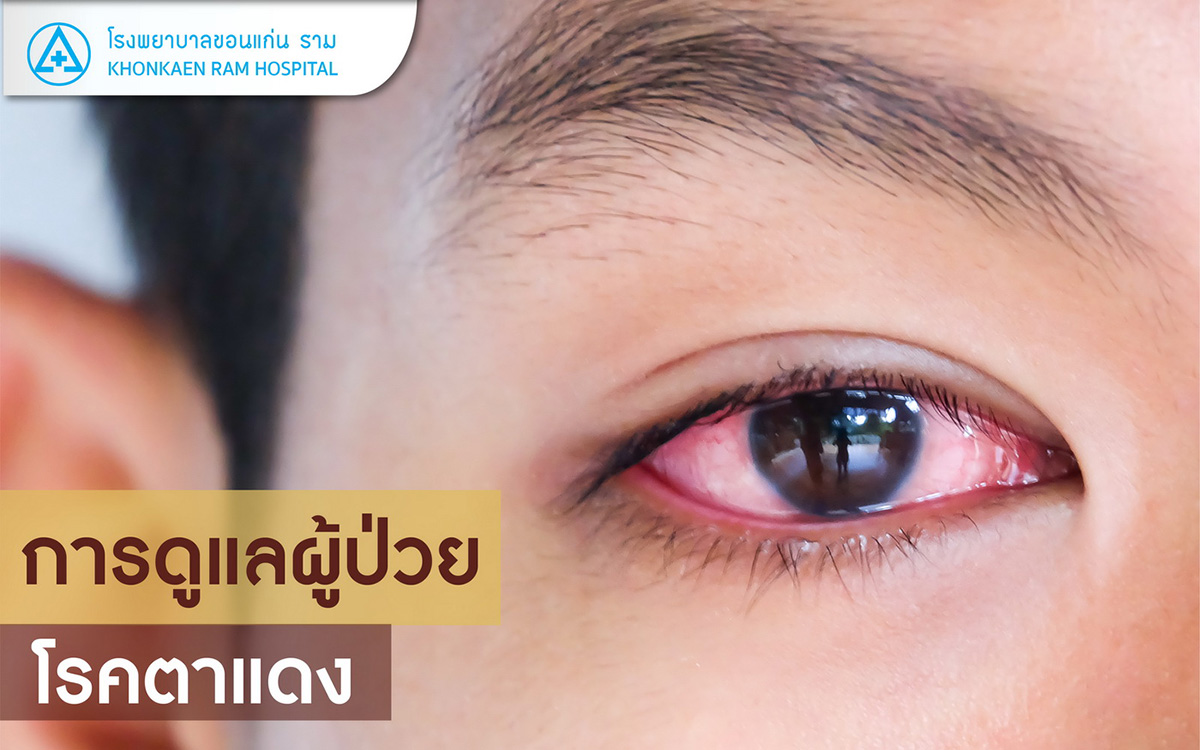
Conjunctivitis, commonly known as "Pink Eye," is the inflammation of the clear tissue covering the white part of the eye (the conjunctiva). The eye appears light pink to bright red due to inflammation and the dilation of small blood vessels.
Causes
The pathogens that cause conjunctivitis include:
- Viruses: Most commonly Adenovirus and Herpes Simplex virus.
- Bacteria: Most commonly Staphylococcus aureus, Streptococcus pneumoniae, and Haemophilus influenzae.
Transmission routes include:
- Direct contact with secretions from an infected person, such as tears or eye discharge left on objects, surfaces, or in water, which then touches the eye.
- Sharing personal items with an infected person, such as handkerchiefs, towels, eyeglasses, or cosmetics.
- Swimming or playing in stagnant, contaminated water.
- Disease vectors, such as gnats or flies, carrying the infection to the eyes.
Symptoms
- Redness of the conjunctiva, tearing, eye pain, burning sensation, light sensitivity (photophobia), irritation, and itching.
- Eye discharge: The color and consistency vary by cause (e.g., clear, white, or purulent/mucus-like).
- Patients should consult a doctor because conjunctivitis can stem from various causes and may occur alongside other underlying eye conditions.
Treatment
Most cases resolve on their own within 1–2 weeks, with symptoms gradually improving. It is recommended to stay home from school or work for at least 3 days to prevent spreading the infection. Ensure plenty of rest and reduce eye strain. Treatment is based on the cause:
- Bacterial Conjunctivitis: The doctor will prescribe topical antibiotics, such as eye drops or eye ointments.
- Viral Conjunctivitis: Most cases resolve naturally over time; there is no specific antiviral medication for common viral pink eye, though supportive care is provided.
Prevention
- Wash your hands frequently with soap and water.
- Avoid direct contact with secretions or items contaminated by an infected person (e.g., handkerchiefs, towels, cosmetics, eyeglasses).
- Avoid contact with floodwater or dirty water. Be careful not to let water splash into your eyes. If contact occurs, clean the area or shower immediately.
- Do not rub your eyes with your hands.
- Those with pink eye should avoid public places until recovered (e.g., shopping malls, public buses, swimming pools).
- Never share eye drops with others. Always wash your hands before and after applying eye medication.
When to See a Doctor Immediately
Seek urgent medical attention if you experience decreased vision (blurred vision), increased eye pain, or severe sensitivity to light.




Related Packages
Call us