COVID-19 vs. Influenza: How Do Symptoms Differ?
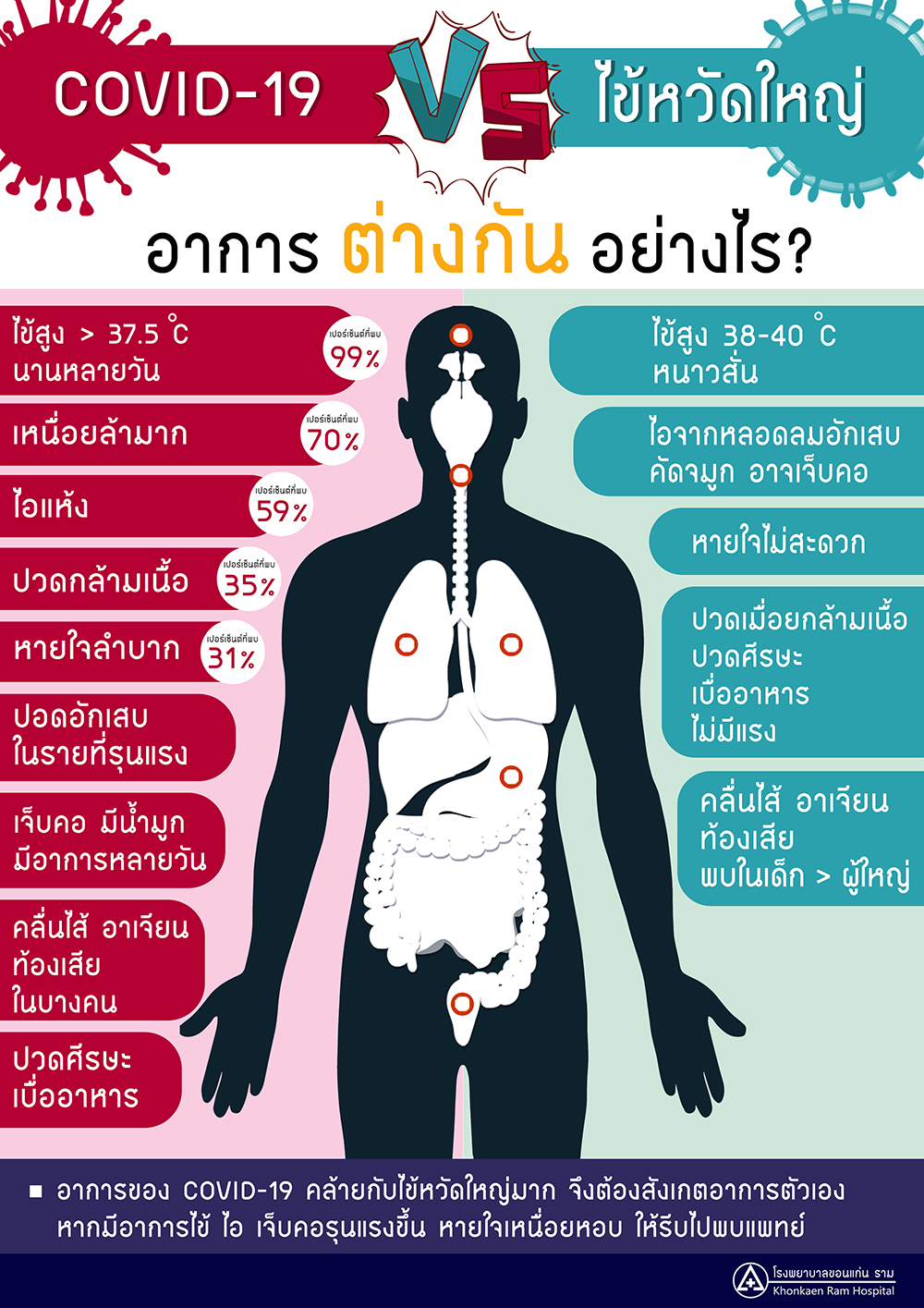
COVID-19 vs. Influenza: Key Differences in Symptoms
The Common Cold is typically caused by Rhinoviruses (30-80%) and older strains of Coronaviruses (10-15%). There are six previously known strains of coronavirus that infect humans.
COVID-19 is caused by the novel coronavirus (SARS-CoV-2). It can cause severe pneumonia and is considered the 7th strain of coronavirus known to infect humans.
Symptoms of the Common Cold
- Low to high fever; symptoms usually improve after 3-4 days.
- Occasional coughing or minor sneezing; symptoms usually improve after 3-4 days.
- Runny nose and nasal congestion, making it difficult to breathe through the nose.
- Body aches and a feeling of fatigue.
- No diarrhea.
Symptoms of COVID-19
➤ High fever (above 37.5°C).
➤ Muscle aches and loss of appetite.
➤ Cough, phlegm, and sore throat persisting for more than 4 consecutive days.
➤ In some cases, nausea, vomiting, or diarrhea may occur.
➤ Difficulty breathing accompanied by a cough; in severe cases, this can lead to inflammation of the lungs or pneumonia.
Severity of the Illness
Common Cold: Usually does not have severe complications and does not significantly interfere with daily life. Symptoms are short-lived; with proper rest and self-care, the cold typically resolves on its own within 3-4 days.
COVID-19: Can cause pneumonia which may lead to death. The severity of the disease varies depending on an individual's overall health and immune system.
In any case, if you experience a high fever (above 37.5°C), cough, sore throat, runny nose, or shortness of breath/difficulty breathing, you should see a doctor immediately.