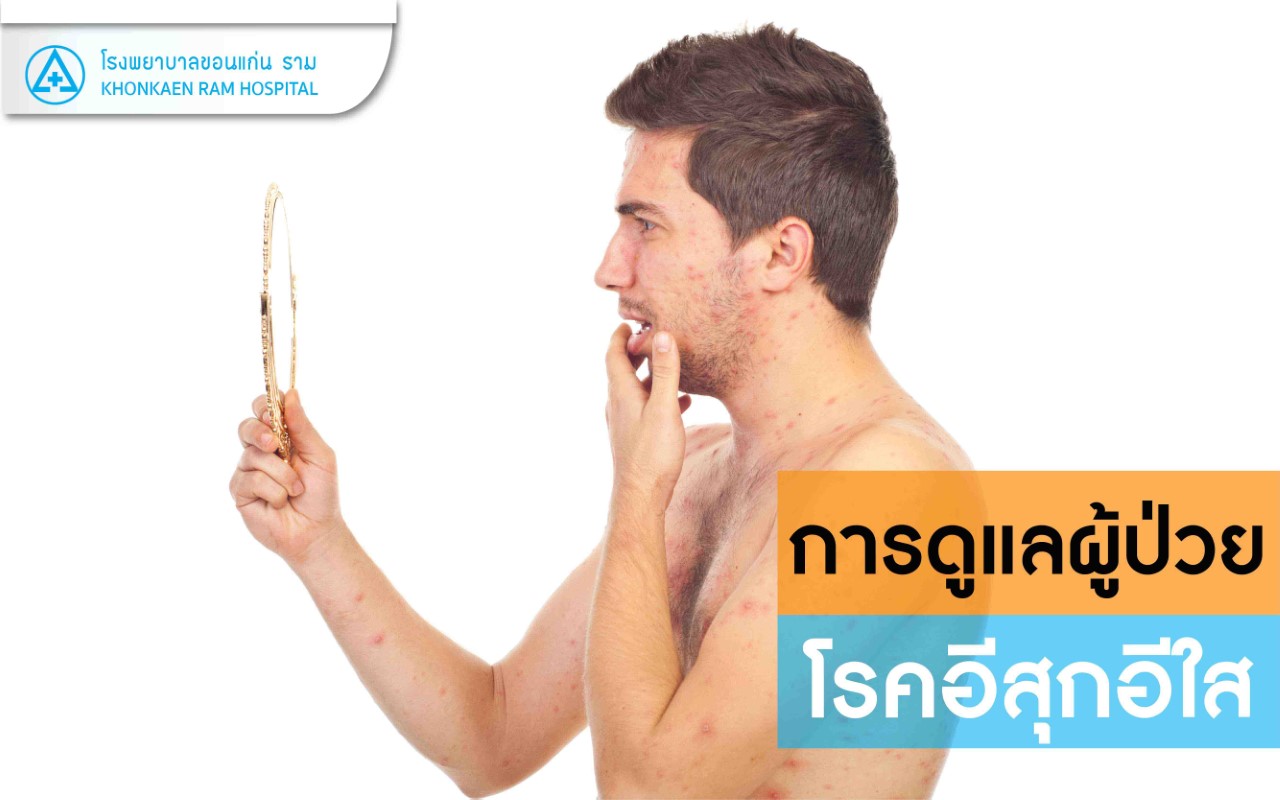
Chickenpox is a highly contagious disease that causes an itchy rash with small, red bumps or fluid-filled blisters all over the body. While most common in children under 15, it can affect people of all ages and spreads very rapidly.
Causes
It is caused by the Varicella-Zoster Virus (VZV). The virus spreads easily through direct contact with blisters, saliva, coughing, sneezing, or by breathing in airborne virus particles. In some cases, infection can occur through direct contact with the sores of a patient with shingles. The incubation period is typically 10–21 days. Patients are contagious from 48 hours before the rash appears until all blisters have crusted over, usually averaging 14–16 days.
Symptoms
Initial symptoms include fever, body aches, fatigue, headache, sore throat, and loss of appetite during the first 1–2 days. Subsequently, red spots appear on the face, chest, back, mouth, eyelids, and genital area. These spots turn into small, fluid-filled blisters within 2–4 days before crusting over a week later. Itching is common. Symptoms are generally mild in young children, but adolescents and adults may develop more severe cases. Some patients may experience serious complications such as encephalitis (brain inflammation), pneumonia, or hepatitis.
Treatment
Healthy individuals with mild symptoms can often recover at home. However, infants, pregnant women, or those with weakened immune systems should consult a doctor for proper treatment to prevent serious complications. Physicians typically provide supportive care. For fever, non-aspirin medications such as Paracetamol (Acetaminophen) are used. Itching can be managed with antihistamines or Calamine lotion. In severe cases, antiviral medications such as Acyclovir or Valacyclovir may be prescribed.
Prevention
The best prevention is the Chickenpox Vaccine. Two doses are recommended, with the second dose given approximately 28 days after the first. This can reduce the risk of infection and disease severity by up to 90%. Pregnant women or individuals with weakened immune systems (e.g., those on immunosuppressant medication) should consult their physician before vaccination.
When to See a Doctor Immediately
Seek urgent medical attention if you experience a high fever or a fever lasting longer than 4 days, severe cough, intense abdominal pain, or a rash that turns into purple blotches or starts bleeding.