Peptic Ulcer: Causes, Symptoms, and Self-Care
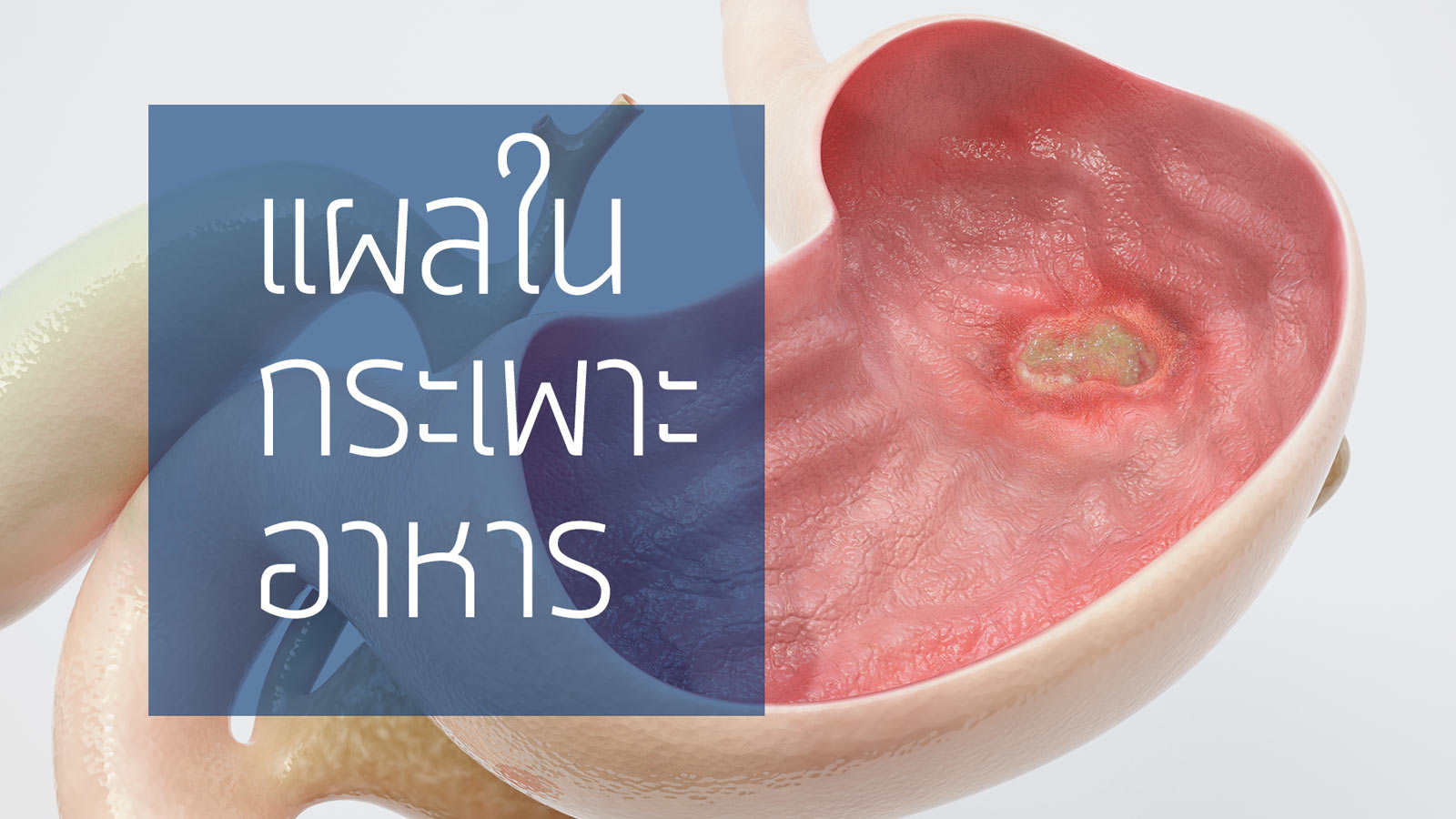
Peptic ulcers, commonly referred to as stomach ulcers, are a frequent cause of chronic abdominal pain for many. While the symptoms often come and go, this condition is often fully curable. If you experience persistent digestive issues, you should consult a specialist to identify underlying risks and receive proper treatment.
Causes of Peptic Ulcers
The primary cause is stomach acid and digestive enzymes eroding the protective lining of the digestive tract. Contributing factors include the use of Aspirin or NSAIDs (anti-inflammatory drugs for joints/bones), smoking, stress, spicy foods, and alcohol consumption.
Modern medical research has identified the bacteria Helicobacter pylori (H. pylori) as a major cause of peptic ulcers. It prevents ulcers from healing and often leads to recurrence. Furthermore, an H. pylori infection increases the risk of stomach cancer by 3–5 times compared to non-infected individuals.
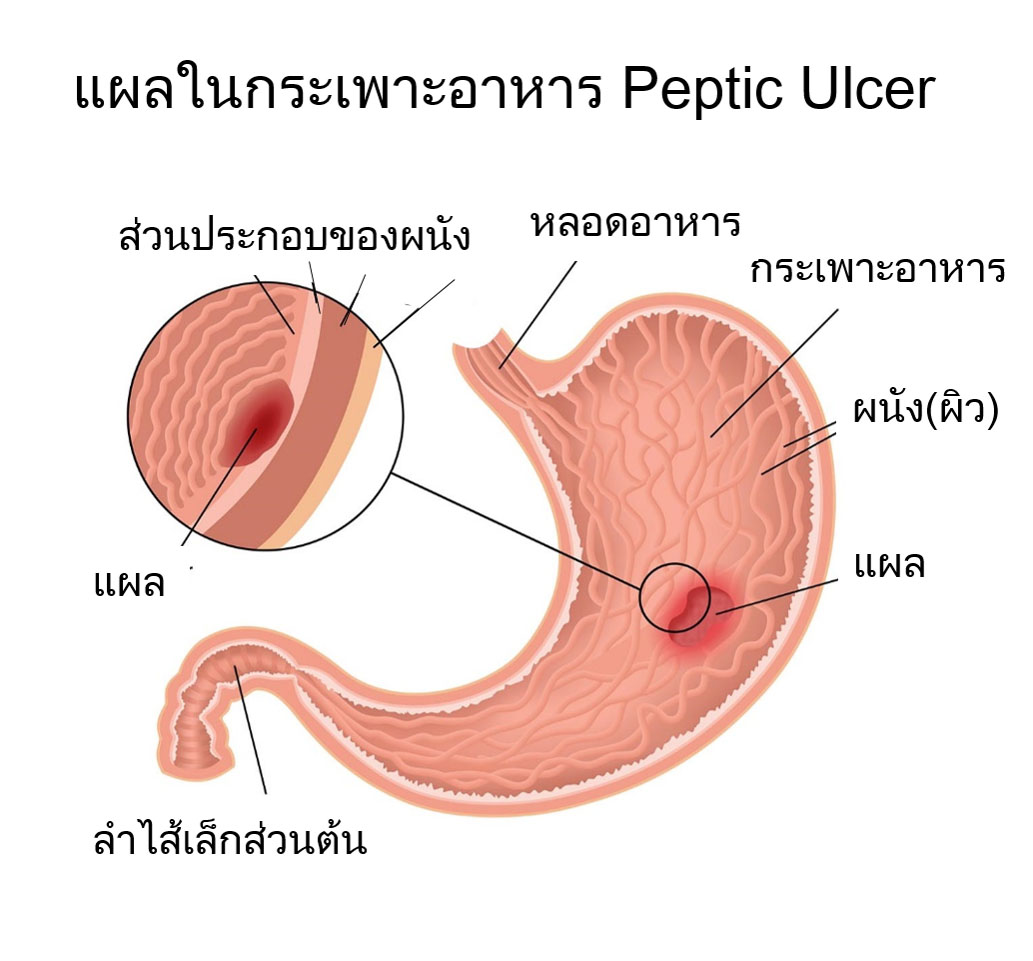
Ulcers commonly occur in two locations:
1. Gastric Ulcer (GU): Located in the stomach, most frequently in the lower section. Common in individuals aged 40–70.
2. Duodenal Ulcer (DU): Located in the upper part of the small intestine. Common across all ages from 20–70.
Symptoms of Peptic Ulcers
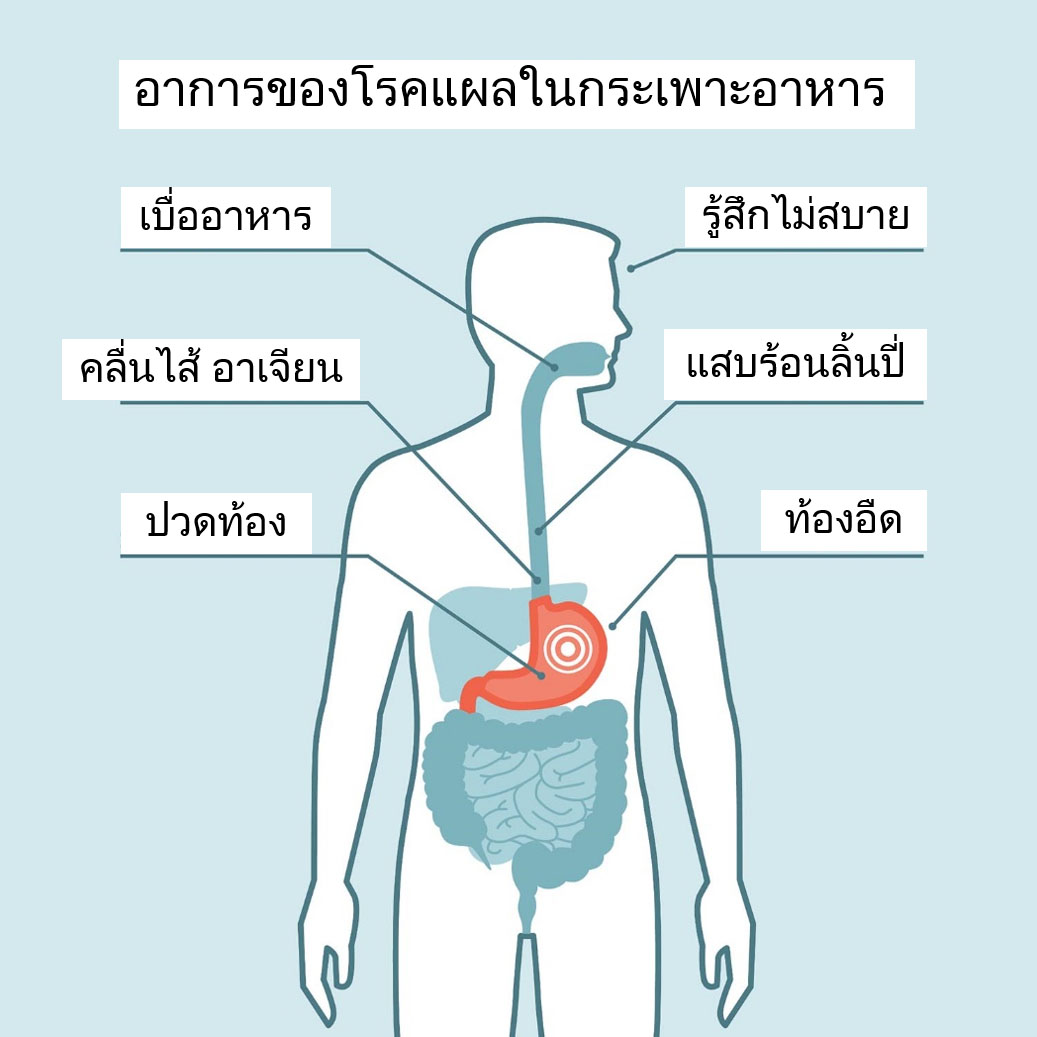
- Abdominal pain or discomfort in the upper abdomen (epigastrium), typically when the stomach is empty or during the night.
- Pain that worsens after eating, particularly spicy or highly acidic foods.
- Recurrent pain—for example, hurting for 1–2 weeks and then disappearing for months before returning.
- Bloating, fullness, or discomfort around the navel area, often accompanied by gas and "growling" stomach sounds.
- Nausea or vomiting, especially after meals or in the early morning.
- Unexplained weight loss or looking pale (anemia).
Complications of Peptic Ulcers
Approximately 25–30% of patients may experience complications, including:
- Gastrointestinal Bleeding: The most common complication. Symptoms include vomiting blood, passing black/tarry stools, or fainting. It can also lead to chronic iron-deficiency anemia.
- Perforation: A hole in the stomach wall causing sudden, severe upper abdominal pain and a rigid, tender abdomen. This is a medical emergency.
- Gastric Outlet Obstruction: Scarring from ulcers can block the passage of food, leading to feeling full quickly, vomiting, and weight loss.
How is a Peptic Ulcer Diagnosed?
Diagnosis is based on symptoms, medication history, and the following tests:
- Upper GI Endoscopy (EGD): Inserting a scope to visualize the ulcer and taking a biopsy to test for H. pylori.
- H. pylori Testing: Besides endoscopy, testing can be done via urea breath tests, stool antigen tests, or blood tests.
Prevention and Treatment
- Prevent H. pylori infection: Practice good hygiene by consuming clean food and water, using serving spoons, and washing hands regularly.
- Quit smoking and avoid alcohol: Both weaken the stomach lining and significantly hinder the healing process.
- Avoid NSAIDs: Stop using Aspirin and other non-steroidal anti-inflammatory drugs unless directed by a doctor.
- Stress management: Ensure adequate rest and reduce anxiety.
- Medication: Take acid-suppressing drugs or ulcer-healing medications for at least 4–8 weeks, along with antibiotics if an H. pylori infection is present.
Dietary Guidelines for Patients
- Eat soft, easily digestible foods in smaller, frequent portions. Do not overeat in a single meal.
- Avoid spicy, sour, or pickled foods as they irritate the ulcer.
- Avoid fried or high-fat foods, as they are difficult to digest and stimulate more acid production.
- Avoid caffeine (coffee/chocolate), alcohol, and carbonated drinks.
- Avoid extremely hot or cold beverages.
Can a Stomach Ulcer Turn into Cancer?
Standard peptic ulcers do not turn into cancer. However, the initial symptoms of stomach cancer and ulcers are almost identical and cannot be distinguished without a professional exam.
Because symptoms are so similar, a Gastroscopy (Endoscopy) is necessary for an accurate diagnosis.
Warning signs of potential stomach cancer include loss of appetite, significant weight loss, unexplained anemia, black stools, or persistent vomiting—especially in individuals over 45 or those with worsening chronic stomach pain.
Can Peptic Ulcers Be Cured?
- Yes, they can be cured but may recur if lifestyle habits or certain medications are not managed.
- For ulcers not caused by H. pylori, relief depends on strict adherence to dietary and lifestyle changes.
- For those with an H. pylori infection, successful eradication of the bacteria significantly increases the chance of a permanent cure.