Abnormal Uterine Bleeding (AUB)
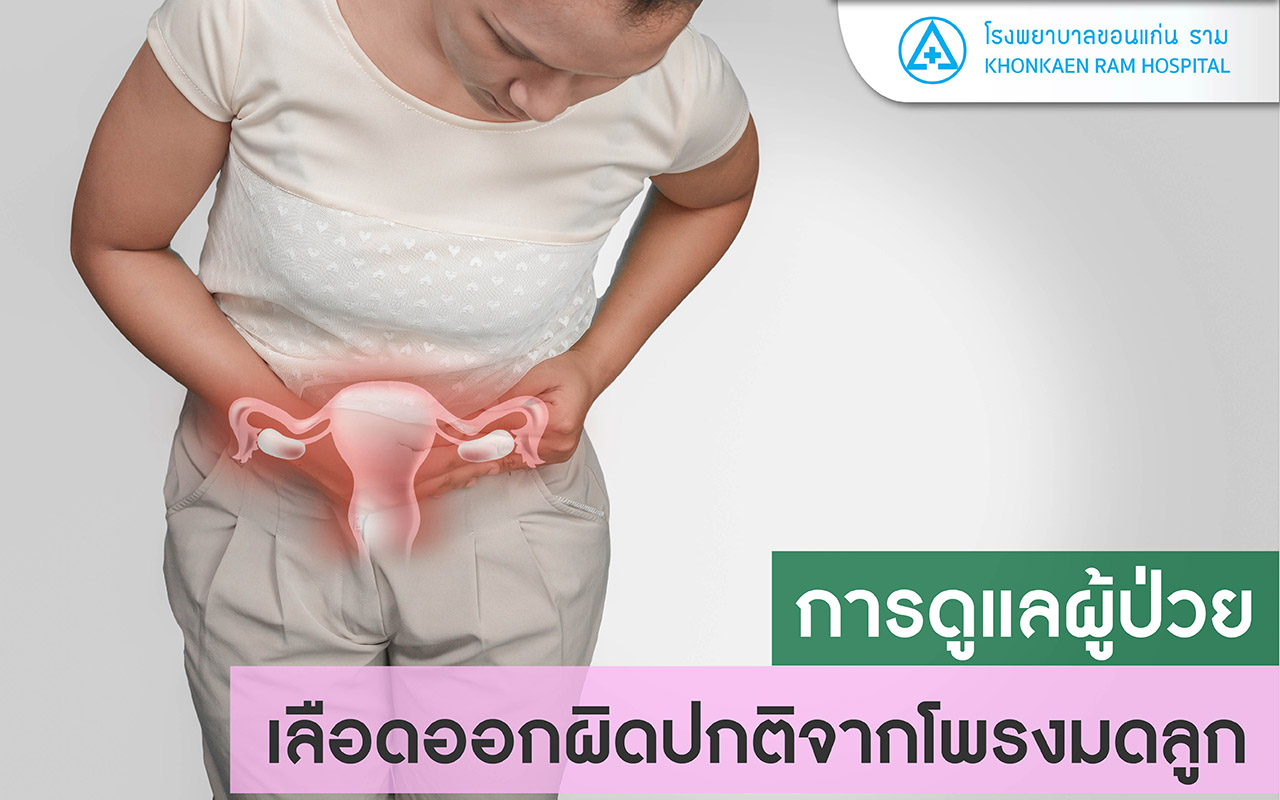
Abnormal Uterine Bleeding refers to a condition where bleeding occurs outside the normal menstrual cycle, excluding causes like uterine fibroids, inflammation, or pregnancy. It can occur in women of any age but is most common during puberty (menarche) and perimenopause.
Causes
The primary cause is a hormonal imbalance between estrogen and progesterone. When estrogen levels are abnormally high, the uterine lining (endometrium) thickens excessively, eventually leading to irregular or heavy shedding.
Symptoms
Symptoms include heavy menstrual-like flow or persistent spotting for several weeks. Usually, there is no pelvic pain. In some cases, patients may have a history of missed periods for 2–3 months prior. Excessive blood loss can lead to anemia, pale skin, and chronic fatigue.
Treatment Options
- Hormonal Therapy: Administration of hormones to rebalance the cycle, supplemented with iron to treat blood loss.
- Dilation and Curettage (D&C): If hormonal treatment fails or if the patient is over 35, a D&C may be performed to collect a tissue sample for biopsy.
- Surgical Intervention: If the condition does not respond to medication or if there are structural abnormalities in the uterus, surgery (such as a hysterectomy) may be required.
Medical Recommendations
While irregular spotting is often not life-threatening, it can lead to severe anemia. It is crucial to consult a doctor to rule out more serious underlying conditions, such as uterine fibroids, endometrial cancer, cervical cancer, or pregnancy complications like ectopic pregnancy or miscarriage.
Emergency Warning Signs
Seek immediate medical attention if you experience rapid, heavy bleeding accompanied by dizziness or fainting, as this may lead to medical shock from acute blood loss.