
Cervical cancer is the second most common cancer among Thai women, following breast cancer. The primary cause is the Human Papillomavirus (HPV), which is typically transmitted through sexual contact. In its early stages, cervical cancer often shows no symptoms. Therefore, regular screening and HPV vaccination are essential strategies to significantly reduce your risk.
Symptoms to Watch For
- Irregular spotting or bleeding after sexual intercourse.
- Vaginal bleeding after menopause.
- Pain during or after sexual intercourse.
- Increased vaginal discharge, which may be tinged with blood.
- Persistent pelvic pain or pressure.
- Symptoms of advanced stages: Swelling of the legs, back pain, pain in the tailbone or thighs, and blood in the urine.
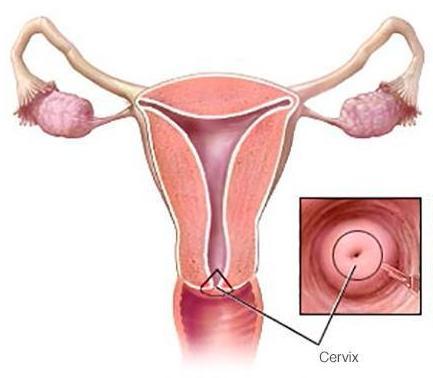
Cervical Cancer Screening Methods
- Conventional Pap Smear: The traditional method where a gynecologist collects a sample of cervical cells. These cells are examined in a laboratory to identify any abnormalities or changes that could lead to cancer.
- Liquid-Based Cytology (LBC) - e.g., ThinPrep or Liquid-Prep: An advanced development of the Pap smear that offers higher precision and detail. The doctor uses a small brush to collect cervical cells and places them into a preservative liquid vial. An automated machine then prepares the slide, removing contaminants (like blood or mucus) that could obscure results. This makes it much easier to identify cancerous or precancerous cells.
- HPV DNA Test: A highly accurate test that identifies the genetic material of high-risk HPV strains known to cause cervical cancer. It specifically detects strains 16 and 18. If the test is negative, you can be up to 99% certain that the risk of developing cervical cancer within the next 1-2 years is extremely low.
“Screening is recommended for women aged 21 and older, and all women who are sexually active. Cervical cancer screening and regular pelvic exams are vital for detecting early abnormalities. We also strongly recommend the HPV vaccine for primary prevention.”
What if the Screening Result is Abnormal?
If an abnormality is detected, the doctor will perform a Colposcopy to confirm the diagnosis. Using a specialized magnifying scope, the doctor examines the tissue of the cervix, vagina, and vulva. A small biopsy may be taken from suspicious areas for pathological testing.
In cases where abnormalities are visible during the colposcopy, the doctor may provide "See-and-Treat" options, such as cryotherapy or a Loop Electrosurgical Excision Procedure (LEEP). This allows for diagnosis and treatment in a single visit, followed by a scheduled follow-up plan.
''Women with abnormal screening results should consult a specialist for a Colposcopy. This procedure identifies precancerous lesions. When detected early, these lesions can be treated with nearly 100% success through proper medical management and follow-up.''
Cervical Cancer Treatment
Treatment options for cervical cancer include Surgery, Radiation Therapy, Chemotherapy, or a combination of these. Modern medical advancements also include Targeted-drug Therapy (often used alongside chemotherapy) and Immunotherapy to improve patient outcomes.
Prevention through HPV Vaccination
The HPV vaccine does more than just prevent cervical cancer; it also protects against genital warts, as well as cancers of the vulva, vagina, anus, and oropharynx (throat). Note: Even if you have been vaccinated, regular screenings remain essential for full protection.