Colposcopy (การส่องกล้องปากมดลูก)
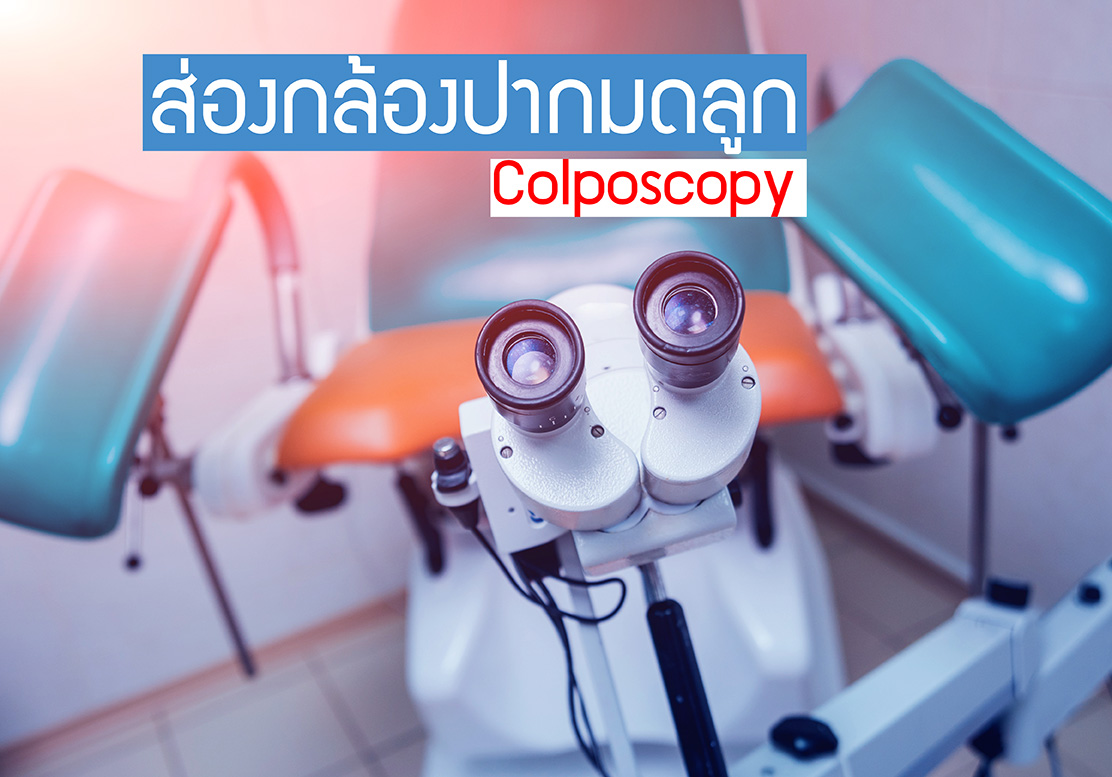
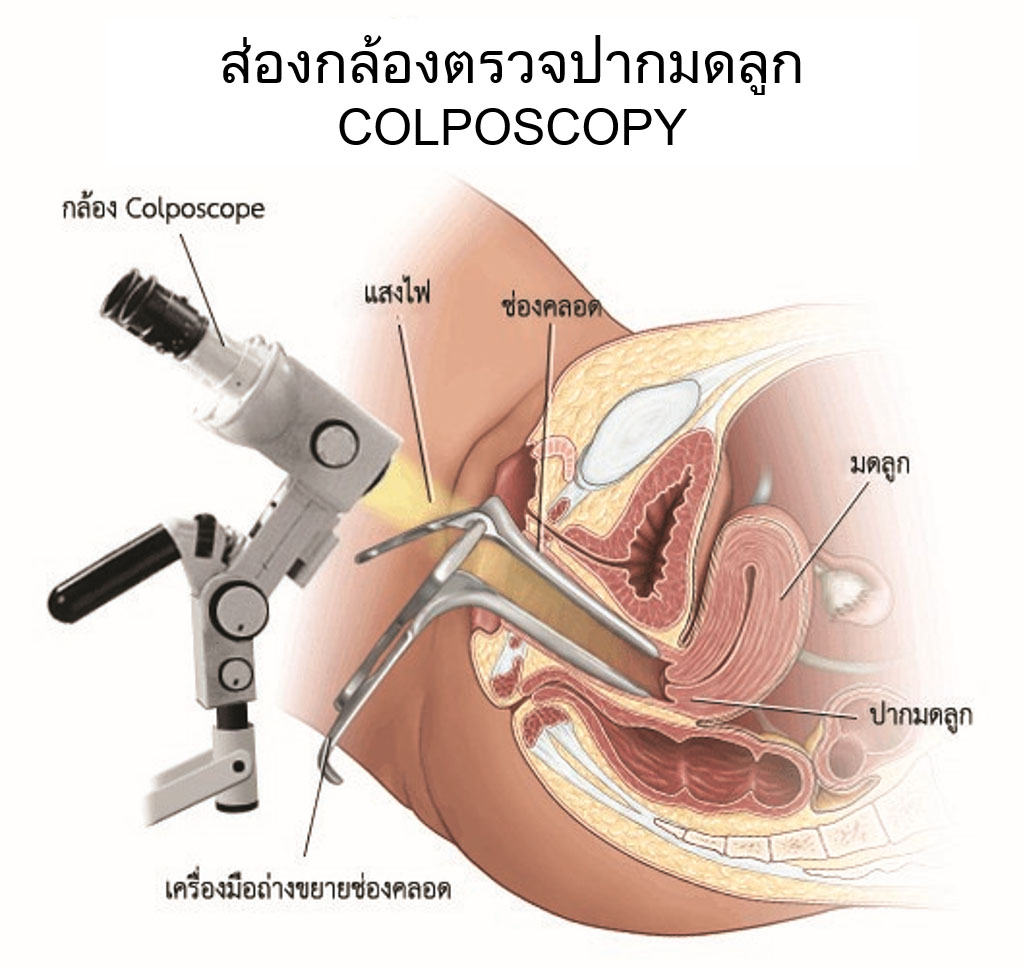
A Colposcopy is a diagnostic procedure used to examine the cervix, vagina, vulva, and anus for abnormalities. By using a specialized magnifying lens called a Colposcope and applying solutions like acetic acid (vinegar) or iodine, doctors can see lesions that are invisible to the naked eye. This helps identify precancerous changes or confirm healthy tissue. If a suspicious area is found, a small tissue sample (biopsy) may be taken for pathological diagnosis.
Indications for a Colposcopy
A colposcopy is not required for every woman, but it is a vital follow-up step when a cervical cancer screening shows abnormal cells or when symptoms suggest a high risk of cancer, such as:
- Abnormal Cervical Cancer Screening Results: Including Pap smear or HPV DNA test results that indicate cellular changes.
- Suspicious Visual Findings: If the doctor sees sores, lumps, or abnormal growths during a standard pelvic exam.
- Unexplained Bleeding: Bleeding between periods, bleeding after sexual intercourse, or persistent abnormal vaginal discharge that cannot be explained by other causes.
- Vaginal or Vulvar Lesions: Suspicious spots or growths found on the external or internal genital areas.
- Other Clinical Considerations:
- Persistent High-Risk HPV Infection: Testing positive for high-risk HPV twice within a 12-month period.
- Abnormal VIA Results: Finding white patches (acetowhite lesions) during a Visual Inspection with Acetic Acid.
- Treatment Follow-up: Monitoring after treating CIN (Cervical Intraepithelial Neoplasia) via cryotherapy or LEEP.
- Persistent CIN 1: Mild abnormalities that remain unchanged for more than 12 months.
- Partner Health: If a sexual partner has genital warts or tumors.
- Recurrent Inflammation: Chronic cervical inflammation of unknown cause found on multiple Pap smears.
- DES Exposure: History of exposure to Diethylstilbestrol while in the womb.

Related Packages
Call us