Dengue Fever: A Danger to Both Children and Adults

While Dengue Hemorrhagic Fever was historically seen in children under 15, it is now found equally in both children and adults.
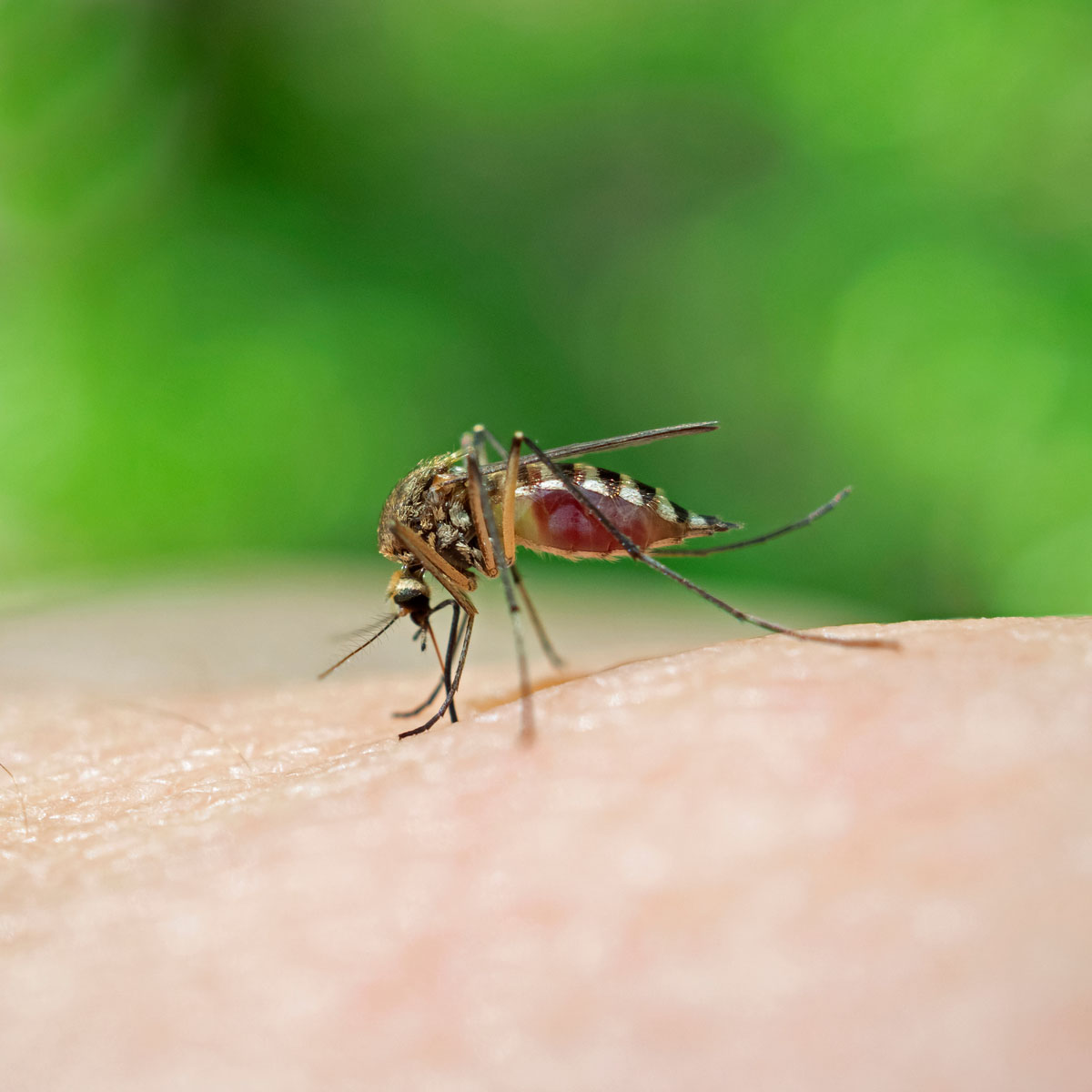
The vector of this disease is the Aedes mosquito. Symptoms often mimic a common cold in the early stages, leading many to underestimate the severity.
If not treated correctly and promptly, the condition can deteriorate rapidly. While some recover after a few days in the hospital, others may experience severe shock or death, depending on the viral strain and the patient's immune system.
In tropical Thailand, mosquitoes thrive. Outbreaks occur sporadically year-round but peak during the rainy season (May–September). Breeding grounds include stagnant water in jars, old tires, vases, cans, and flower pots.
Causes
Dengue virus is transmitted from person to person via the Aedes aegypti mosquito, a species that lives closely with humans.
- A female mosquito bites an infected person during their high-fever stage.
- The virus replicates inside the mosquito for 8–10 days.
- The mosquito then carries the virus in its salivary glands, ready to transmit it to the next person it bites for the remainder of its 30–45 day lifespan.
Aedes mosquitoes are small and black with white markings. Their eggs hatch into larvae within 2 days, and they reach adulthood in about 10 days. They are most active during the day.
Symptoms
After an incubation period of 5–8 days, symptoms appear, ranging from mild fever to life-threatening shock:
- Sudden High Fever (38.5–41°C): May cause seizures, especially in infants under 18 months.
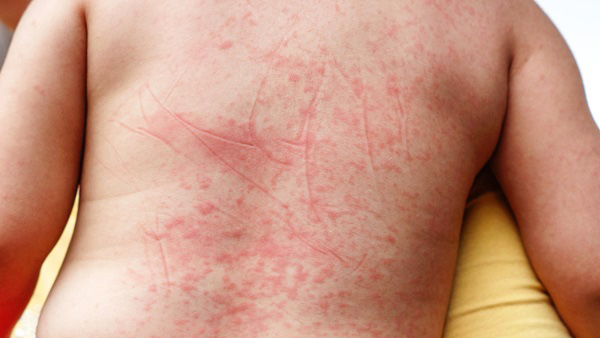
- Bleeding Tendencies: Small red spots (petechiae) on the skin, torso, or limbs. Severe cases may involve black/bloody stools.
- Enlarged Liver: Tenderness or enlargement usually felt by day 3 or 4 of the illness.
- Shock Phase: Occurs in about 1/3 of severe cases. Symptoms include restlessness, cold hands/feet, rapid/weak pulse, and dropping blood pressure.
Treatment and Care
There is no specific antiviral drug for Dengue. Treatment is supportive and symptomatic, making early medical consultation vital.
- Fever Management: Use Paracetamol only. NEVER use Aspirin or Ibuprofen, as they can interfere with platelet function, irritate the stomach, and increase bleeding risks or lead to Reye's syndrome.
- Physical Cooling: Use sponge baths to reduce fever. Avoid excessive medication to prevent liver toxicity.
- Hydration: Drink plenty of electrolyte fluids.
Warning: If a patient loses their appetite, urinates less, becomes lethargic, has severe abdominal pain, or has cold extremities as the fever drops, seek emergency hospital care immediately. This often signals the onset of the critical "shock" phase.
Prevention
- Eliminate Breeding Grounds: Drain or cover stagnant water containers, use Abate sand, and keep larvae-eating fish.
- Personal Protection: Wear long-sleeved clothing, use mosquito repellent, and sleep under nets.
- Vaccination: In Thailand, vaccines like Dengvaxia are available for ages 9–45 (3 doses at 0, 6, and 12 months), primarily recommended for those who have previously been infected. Consult your doctor for the latest 2026 vaccine recommendations.





Related Packages
Dengue Vaccine
Protection against Dengue Fever for both children and adults.