Measles (Rubeola)
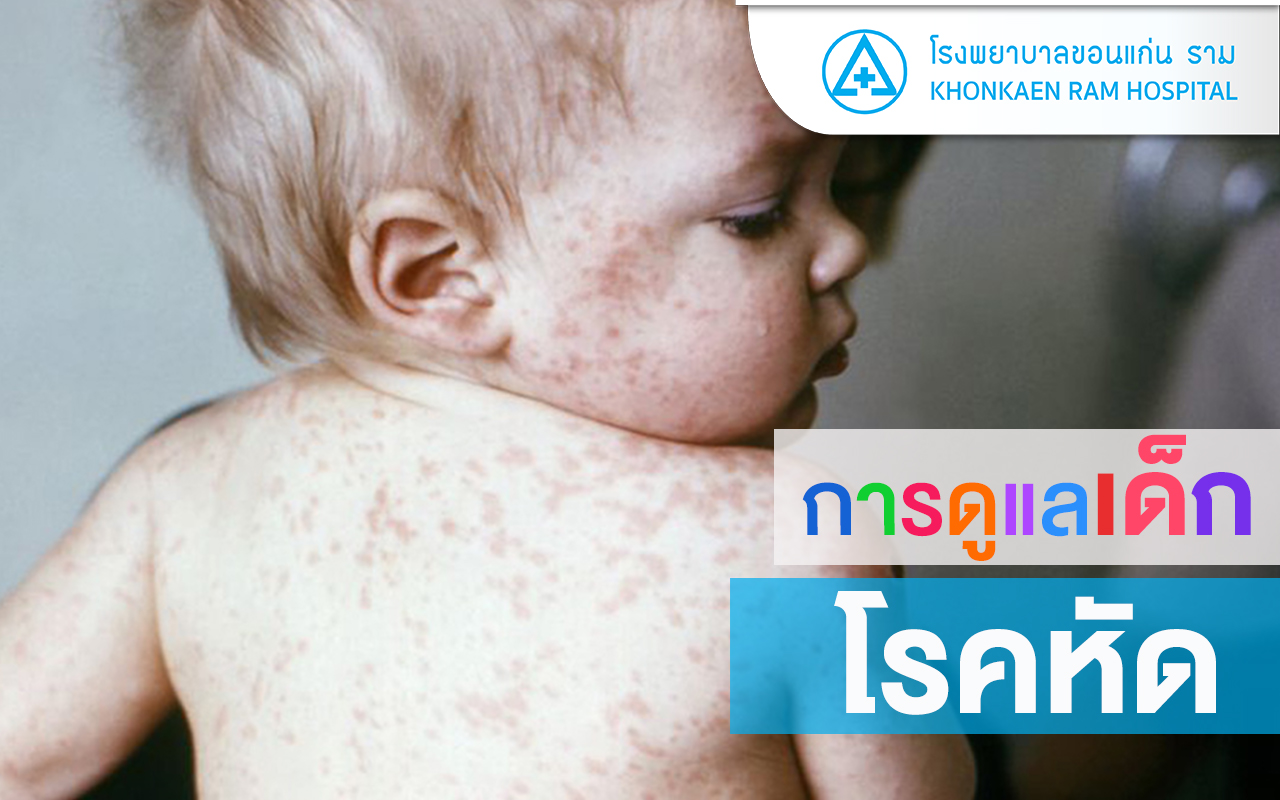
Measles is a highly contagious respiratory infection characterized by a distinct skin rash accompanied by a high fever. The virus is spread through the air or by direct contact with the nasal or throat secretions of infected individuals.
The virus enters the body through the respiratory system before spreading globally. While it is a preventable disease thanks to vaccines, measles remains a leading cause of death among young children worldwide.
Causes and Transmission
Measles is one of the most contagious diseases known. It spreads through respiratory droplets when an infected person coughs or sneezes.
An infected person can spread the virus for about 8 days, starting 4 days before the rash appears and ending 4 days after. The virus is so infectious that if one person has it, up to 90% of the people close to that person who are not immune will also become infected.
Treatment and Home Care
There is no specific antiviral treatment for measles. Medical care focuses on relieving symptoms and supporting the immune system while the virus runs its course. Patients should stay well-hydrated by drinking 6–8 glasses of water daily and getting plenty of rest. Vitamin supplements (especially Vitamin A) may be recommended by a physician. Most patients recover within 2 weeks.
Isolation: To prevent spreading the virus, infected individuals should stay home and avoid public places (schools, work, or malls) for at least 4 days after the rash first appears.
Potential Complications
- Severe diarrhea and vomiting, which can lead to dangerous dehydration.
- Middle ear infection (Otitis Media), causing ear pain.
- Eye infections (Conjunctivitis), leading to red, watery eyes.
- Laryngitis (inflammation of the voice box).
- Pneumonia or Bronchitis, which are serious respiratory complications and common causes of death in measles cases.
Warning Signs: Seek Medical Attention Immediately If:
- A high fever persists and does not respond to fever-reducing medication.
- The child becomes unusually lethargic, refuses to eat, or cries inconsolably.
- A severe, persistent cough develops.
- The child experiences rapid or labored breathing (shortness of breath).
Related Packages
Dengue Vaccine
Protection against Dengue Fever for both children and adults.