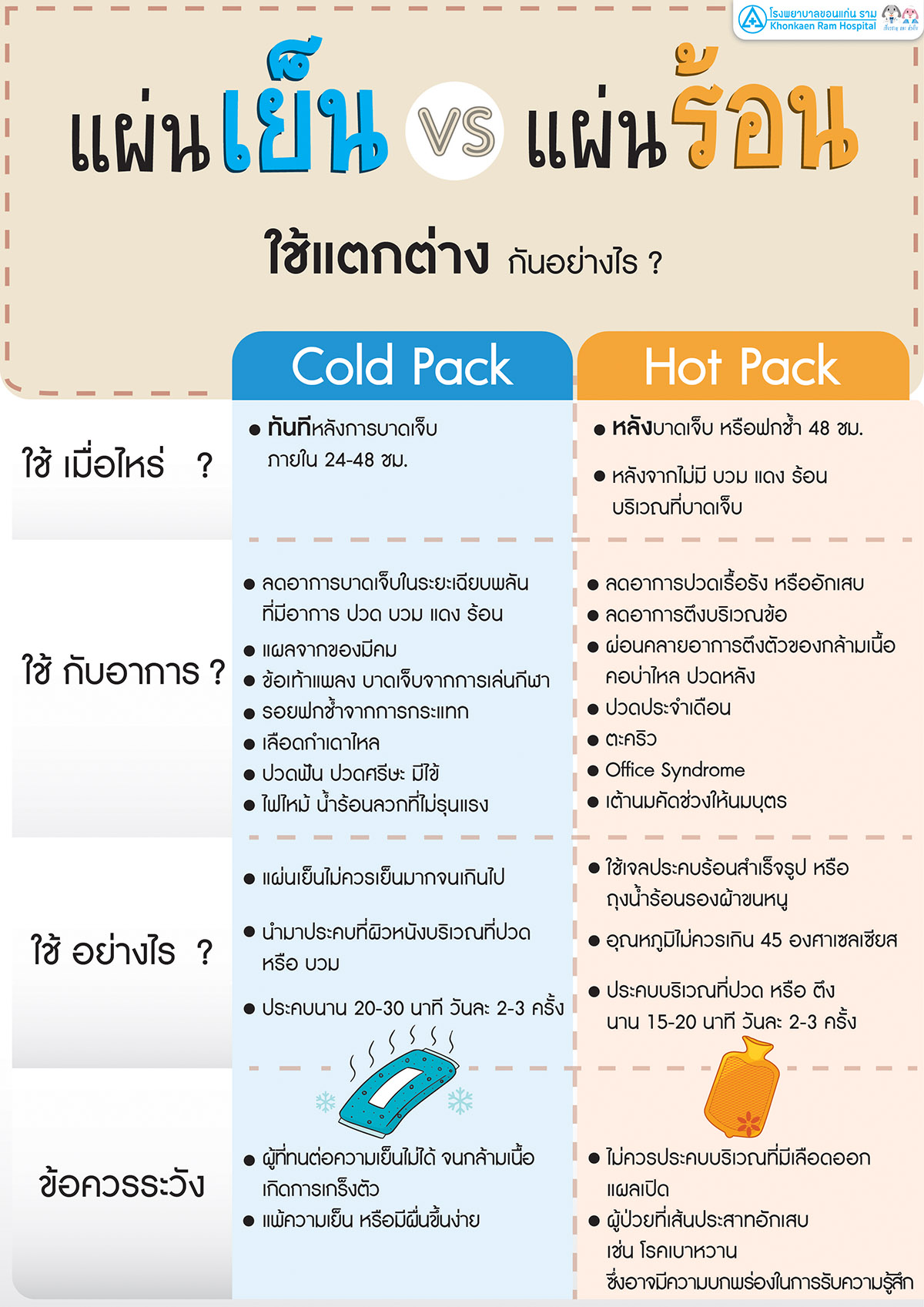
Cold therapy causes blood vessels to constrict, which reduces bleeding, alleviates pain, and effectively minimizes swelling.
When to use it?
- Immediately after an injury, within the first 24–48 hours, or as soon as symptoms appear.
Suitable for which symptoms?
- Acute injuries involving pain, swelling, redness, or heat.
- Bruising from impact.
- Sprained ankles or sports-related injuries.
- Cuts or wounds from sharp objects.
- Toothaches or sudden, acute pain.
- Fever and headaches.
- Nosebleeds.
- Minor burns or scalds (non-severe).
How to use it?
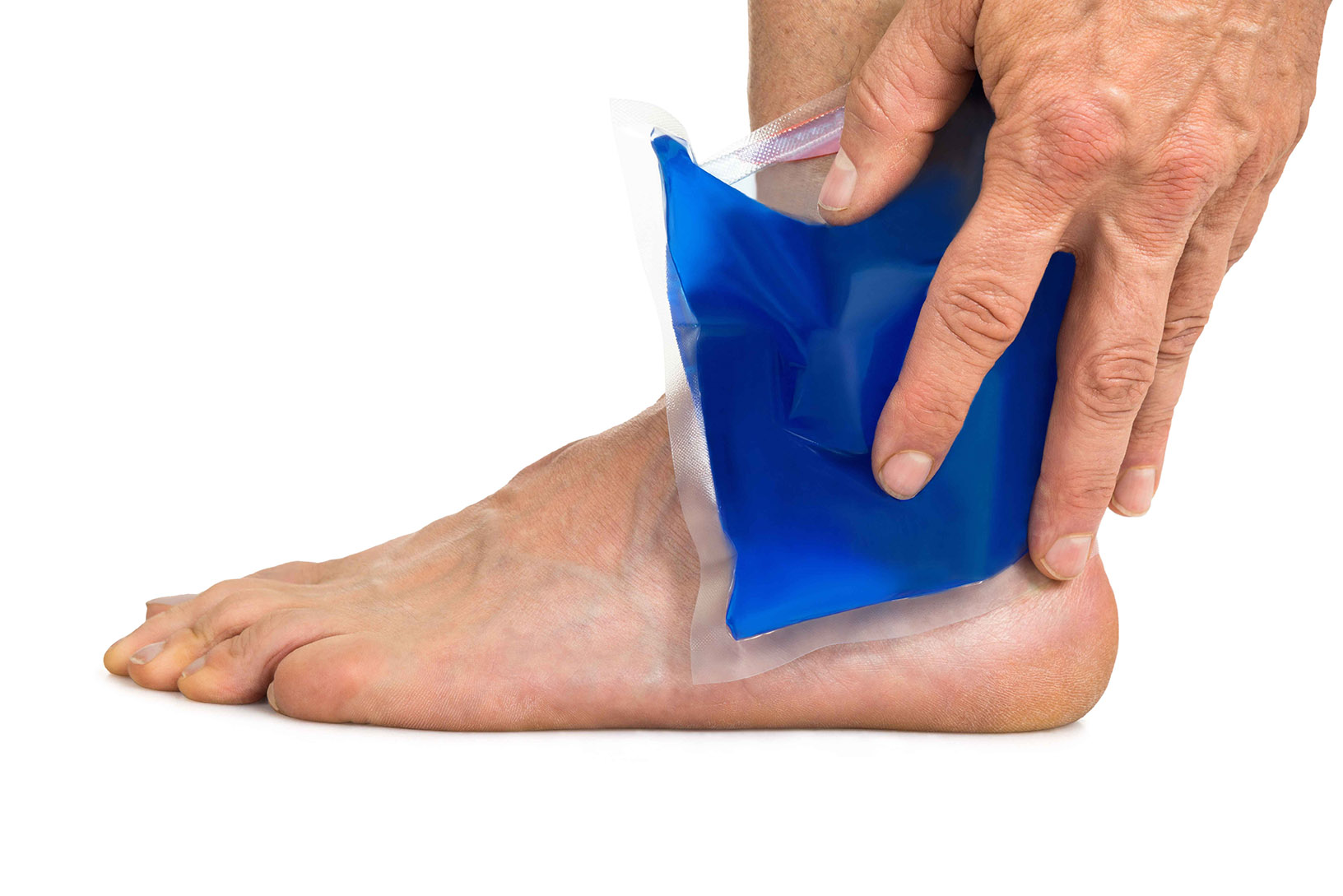
- Use a cold pack (ensure it is not excessively cold) or a bag filled with ice.
- Apply to the skin, or wrap it in a thin towel first before placing it on the painful or swollen area.
- Apply for 20–30 minutes, 2–3 times a day.
Precautions
- Be cautious with individuals who are sensitive to cold, as it may cause muscle spasms.
- Avoid use in individuals with cold allergies or those prone to cold-induced hives.
Heat causes blood vessels to dilate, increasing blood circulation. This helps relieve pain and relaxes tight muscles.
When to use it?
- 48–72 hours after an injury or bruising.
- Only after the swelling, redness, and heat at the injury site have subsided.
Suitable for which symptoms?
- Chronic pain or long-term inflammation.
- Muscle stiffness, such as neck, shoulder, or back pain.
- Joint stiffness.
- Muscle cramps and Office Syndrome.
- Menstrual cramps.
- Breast engorgement during breastfeeding.
How to use it?
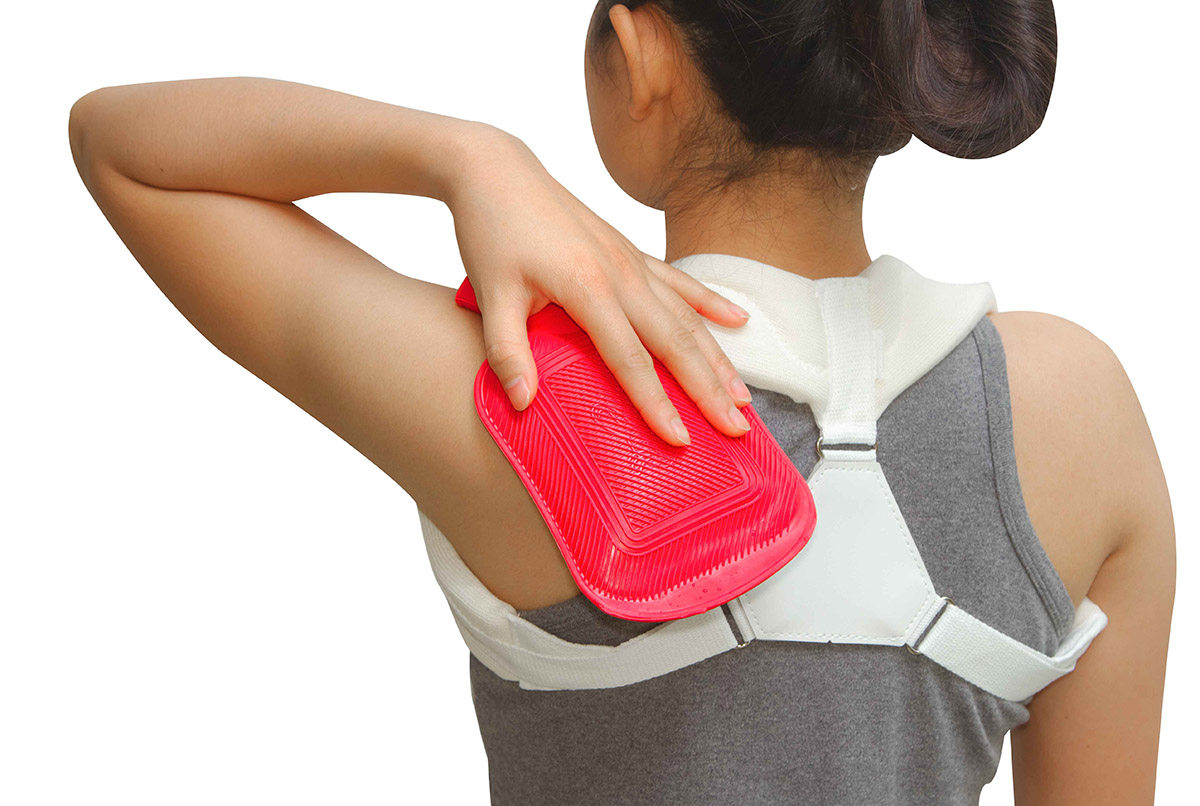
- Use a commercial hot gel pack or a hot water bottle wrapped in a towel.
- The appropriate temperature should not exceed 45°C.
- Apply to the painful or stiff area for 15–20 minutes, 2–3 times a day.
Precautions
- Do not apply heat to areas with active bleeding or open wounds.
- Use extreme caution in patients with neuropathy (e.g., Diabetes), as they may have impaired sensation and risk burns.
- Always use a protective cloth layer to prevent skin blistering or burns.
Related Packages

Initial Service Fees
Standard service rates for Khon Kaen Ram Physical Therapy Clinic.

"Pain Relief" Program
Effective physical therapy for Shoulder Pain, Office Syndrome, and Plantar Fasciitis to relieve pain and restore mobility.

Neck Pain Relief
Comprehensive treatment for neck pain, alleviating muscle tension and improving postural alignment using advanced physical therapy techniques.

Knee Pain Relief
Knee Pain Management & Physical Therapy Program

Achilles Tendinitis
Achilles Tendinitis Recovery & Physical Therapy Program

Chronic Back Pain
Comprehensive rehabilitation and physical therapy program for chronic back pain relief.

Chronic Shin Splints Treatment
Specialized physical therapy program for Medial Tibial Stress Syndrome (Shin Splints).

Sports Injury Treatment
Specialized physical therapy program for acute sports-related injuries and muscle strains.

Trigger Finger Treatment
Specialized physical therapy program to relieve pain and improve finger mobility for trigger finger sufferers.

Mom's Back Ache: Relief for Postpartum Back Pain
Specialized physical therapy for mothers experiencing back pain from carrying or nursing their children.

Wrist & Arm Pain: Relief for De Quervain's in Mothers
Specialized physical therapy for De Quervain's Tenosynovitis, often caused by lifting and carrying a child.

Plugged Milk Ducts Treatment
Specialized therapeutic ultrasound program to clear blocked milk ducts and relieve breast engorgement.