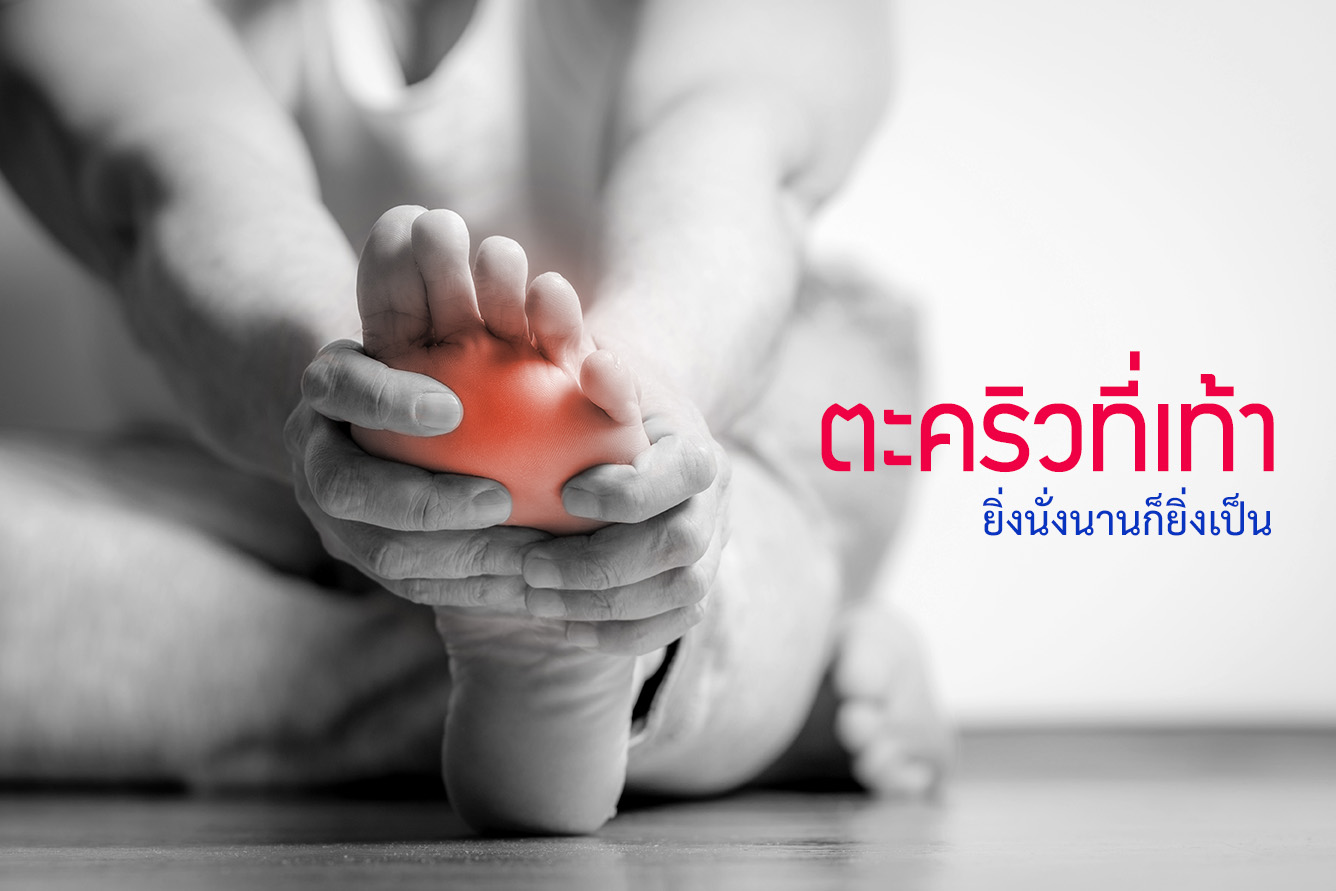
Foot cramps can happen to anyone, regardless of age or gender. They are unpredictable and can strike at any time or place, often causing sudden discomfort.
Common Causes
1. Dehydration
Insufficient water intake leads to dehydration, which causes an imbalance of essential electrolytes such as potassium, sodium, and magnesium. This imbalance often results in the sudden contraction of muscles in the toes and arches, leading to foot cramps.
2. Sedentary Lifestyle
Lack of exercise not only weakens the body and increases the risk of chronic illness but also contributes to foot cramps. Regular physical activity keeps muscles and the nervous system balanced, reducing the likelihood of muscle spasms.
3. Improper Footwear
We take thousands of steps every day. Wearing shoes that are poorly designed, too tight, or too loose prevents proper weight distribution and can trigger cramps in the feet.
4. Underlying Health Conditions
Certain medical conditions can cause frequent foot cramps, including Multiple Sclerosis (MS), Parkinson’s disease, and Diabetes. these conditions affect the nervous system, potentially leading to muscle twitching and cramping.
5. Aging
As we age, the efficiency of our nervous and muscular systems naturally declines. The fluid content within our muscles also decreases, making the feet and toes more susceptible to cramping and stiffness.
6. Pregnancy
While the exact cause is still being studied, experts suggest that foot cramps during pregnancy may be due to:
- Increased body weight as the baby grows.
- Dehydration.
- Nutritional deficiencies, specifically magnesium or potassium.
How to Prevent Foot Cramps
You can significantly reduce the frequency of foot and leg cramps by making simple lifestyle adjustments:
1. Stay Hydrated
Drink plenty of water throughout the day to prevent dehydration, one of the primary triggers for muscle cramps.
2. Wear Proper Shoes
Choose footwear that fits well and matches your foot shape. Ensuring proper weight distribution allows for free and comfortable movement.
3. Regular Exercise
Consistency is key. Engage in regular physical activity to strengthen your muscles and maintain a healthy balance between your muscular and nervous systems.
4. Maintain a Balanced Diet
Nutritional deficiencies can lead to cramps. Ensure your diet includes a variety of vegetables, fruits, and lean proteins to get essential minerals.
5. Stretch Regularly
If you suffer from nighttime foot cramps, try gentle stretching before bed. This helps relax the muscles and promotes better circulation while you sleep.
When to See a Doctor
If you have an underlying health condition such as Parkinson’s, Multiple Sclerosis, or Diabetes, and notice an increase in foot cramps, consult your physician for specialized advice.
Seek medical attention immediately if your foot cramps occur very frequently, or if you notice significant swelling and redness in the foot after the cramp subsides.

Related Packages

Initial Service Fees
Standard service rates for Khon Kaen Ram Physical Therapy Clinic.

"Pain Relief" Program
Effective physical therapy for Shoulder Pain, Office Syndrome, and Plantar Fasciitis to relieve pain and restore mobility.

Neck Pain Relief
Comprehensive treatment for neck pain, alleviating muscle tension and improving postural alignment using advanced physical therapy techniques.

Knee Pain Relief
Knee Pain Management & Physical Therapy Program

Achilles Tendinitis
Achilles Tendinitis Recovery & Physical Therapy Program

Chronic Back Pain
Comprehensive rehabilitation and physical therapy program for chronic back pain relief.

Chronic Shin Splints Treatment
Specialized physical therapy program for Medial Tibial Stress Syndrome (Shin Splints).

Sports Injury Treatment
Specialized physical therapy program for acute sports-related injuries and muscle strains.

Trigger Finger Treatment
Specialized physical therapy program to relieve pain and improve finger mobility for trigger finger sufferers.

Mom's Back Ache: Relief for Postpartum Back Pain
Specialized physical therapy for mothers experiencing back pain from carrying or nursing their children.

Wrist & Arm Pain: Relief for De Quervain's in Mothers
Specialized physical therapy for De Quervain's Tenosynovitis, often caused by lifting and carrying a child.

Plugged Milk Ducts Treatment
Specialized therapeutic ultrasound program to clear blocked milk ducts and relieve breast engorgement.