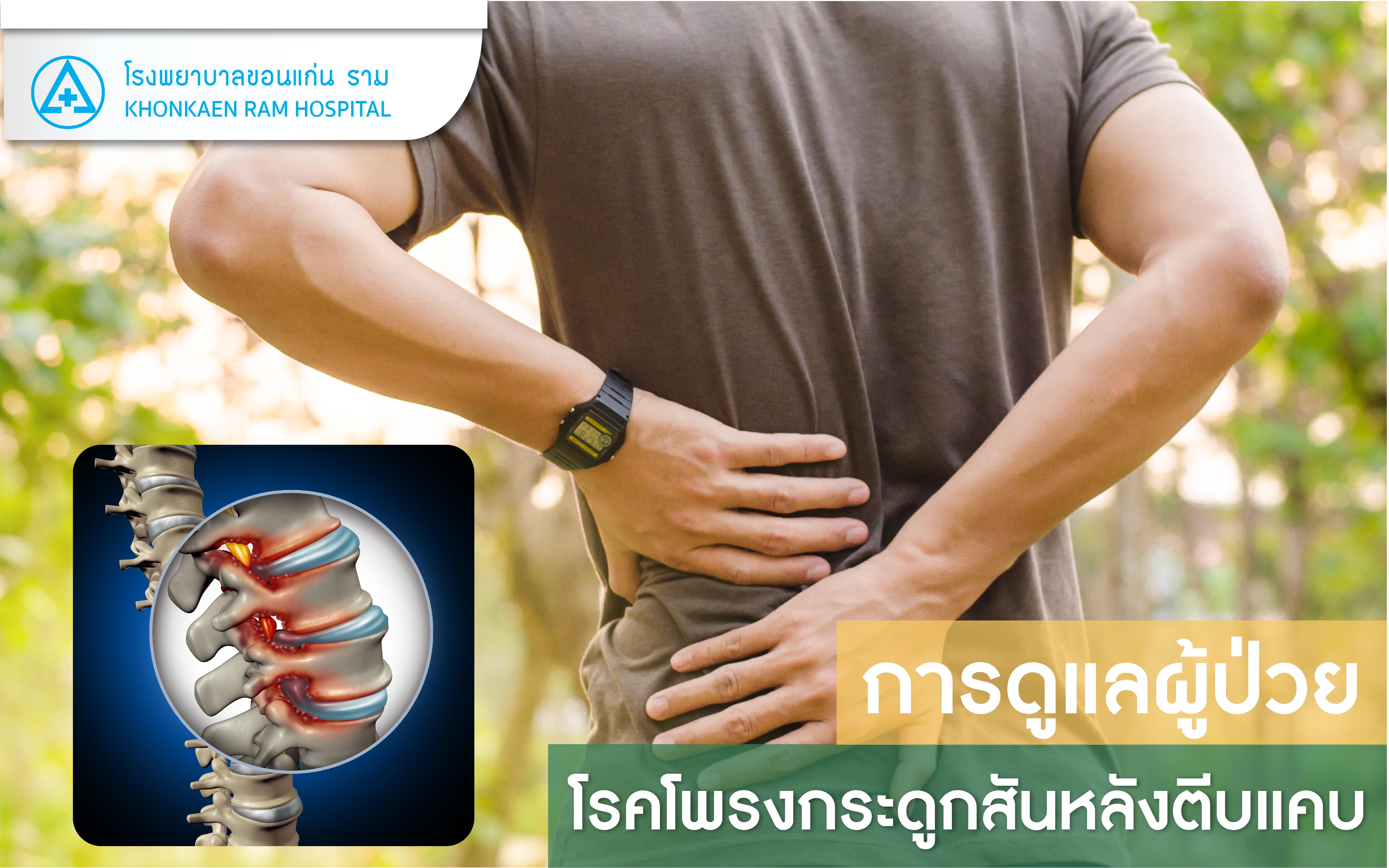
Spinal Stenosis
Spinal Stenosis is a condition characterized by the narrowing of the spaces within your spine (the spinal canal), which puts pressure on the nerves that travel through the spine. This condition most commonly occurs in the lower back (lumbar spine).
Causes
Spinal stenosis can be caused by congenital abnormalities of the spinal canal, age-related wear and tear (degeneration), or spinal injuries and trauma.
Symptoms
Common symptoms include lower back pain combined with radiating pain down one or both legs (sciatica). Patients may experience leg muscle weakness, calf pain, or cramping, especially when standing or walking for long periods. These symptoms often improve or subside when sitting down or leaning forward (flexing the back).
Treatment Options
- Medication: Pain relievers and anti-inflammatory drugs.
- Physical Therapy: To strengthen muscles and improve flexibility.
- Surgery: Considered when conservative treatments (medication/physical therapy) fail to provide relief.
- Lifestyle Modifications: Such as targeted exercise and weight management.
Self-Care and Prevention
- Weight Management: Reducing body weight helps decrease the load on the spine.
- Ergonomics: Avoid repetitive bending, lifting, or sitting in the same position for extended periods.
- Postural Awareness: Adjust daily habits to maintain proper spinal alignment.
- Regular Exercise: Maintain a daily routine of low-impact exercise, avoiding high-intensity or strenuous activities that strain the back.
When to See a Doctor Immediately
Seek medical attention if you experience leg pain combined with back pain, fever, unexplained weight loss, or loss of appetite. Pay close attention to severe pain while resting or intense pain during the night, as these may indicate serious underlying issues such as infection or spinal tumors.