Glaucoma
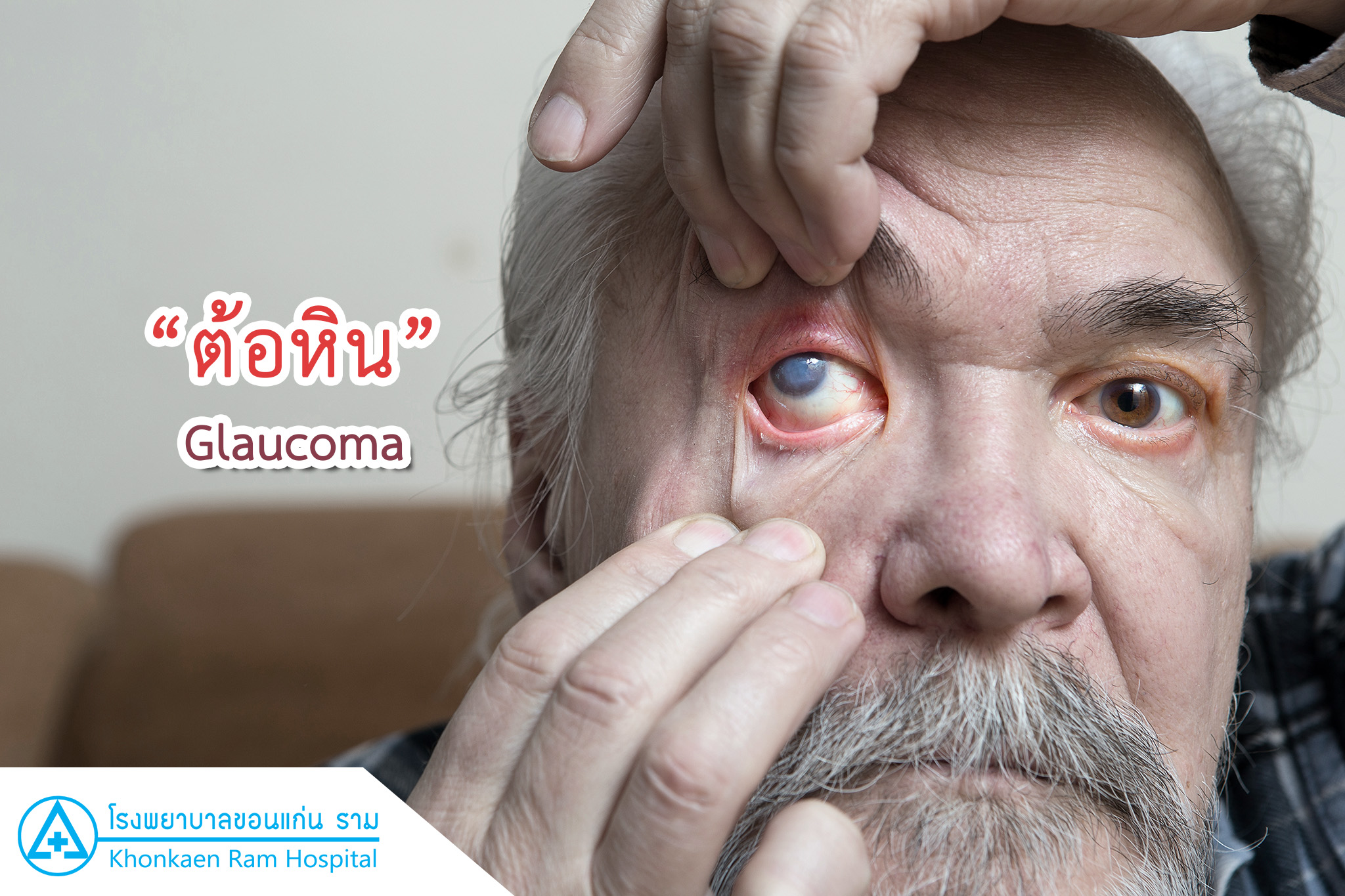
Glaucoma is a group of eye diseases that damage the optic nerve. While there are many causes, high intraocular pressure (IOP) is the primary factor that leads to progressive loss or narrowing of the visual field. It is found in approximately 1-2% of the population over the age of 35, though it can occur in younger individuals or be present from birth (congenital).
Glaucoma is the second leading cause of blindness worldwide, following cataracts. Many people with glaucoma are unaware they have the condition because certain types present no pain. By the time they see a doctor, vision may already be blurred or the visual field narrowed to the point where they begin bumping into objects.
Examining the optic nerve and measuring eye pressure are vital steps in diagnosis. High intraocular pressure indicates a buildup of aqueous fluid that is not draining properly. This causes the eye to become hard as a stone, which is why the condition is called “Glaucoma” (derived from the Thai term "To Hin," meaning Stone Disease).
There are two main types of Glaucoma:
- Acute Glaucoma
- Chronic Glaucoma
1. Acute Glaucoma
Symptoms include sudden eye pain, blurred vision, and seeing rainbow-colored halos around lights. This may be accompanied by headaches, nausea, and vomiting. If eye pressure remains extremely high without treatment, it can lead to permanent blindness. However, if treated promptly, vision can often return to normal.
Causes of Acute Glaucoma
- Anatomical predisposition, such as having narrow drainage angles.
- Aging or being in dim light, which can trigger fluid buildup.
- Advanced cataracts (over-ripe cataracts) or iris inflammation (uveitis).
- Trauma that causes the lens to shift forward, blocking the eye's drainage system.
2. Chronic Glaucoma
In the early stages, there are no symptoms. The disease progresses slowly as eye pressure rises gradually, usually affecting both eyes. The optic nerve is steadily destroyed, causing the visual field to narrow until blindness occurs if left untreated.
Causes of Chronic Glaucoma
- Genetics: If a family member has glaucoma, you should have your eye pressure checked starting at age 35, as it can be hereditary.
- Steroid Use: Prolonged use of steroid eye drops. While these drops effectively treat inflammation, a known side effect is glaucoma. To ensure safety, never purchase eye drops without a prescription and always follow up with an ophthalmologist.
- Chronic iris inflammation.
- Diabetic retinopathy.
- Eye injuries from sharp objects or blunt force causing internal bleeding. These can lead to long-term glaucoma complications; anyone who has suffered an eye injury should have regular eye pressure checks.
Glaucoma Treatment
- Medication (Eye drops or oral meds)
- Laser Treatment
- Surgery
The choice of treatment depends on the type, severity, and cause of the disease. The ophthalmologist will determine the best course of action for each patient. Once treated, patients must see their doctor for regular follow-ups to monitor eye pressure, visual fields, and vision. Some may require continued medication even after laser or surgical procedures.
The primary goal of glaucoma treatment is to preserve the patient's existing vision for as long as possible. Early diagnosis means less nerve damage and better long-term vision.
If treatment is delayed and the optic nerve is significantly damaged, medical intervention cannot restore the dead nerve cells. However, treatment will help the remaining nerve cells function efficiently for as long as possible.
Prevention
- Undergo annual eye exams, including intraocular pressure measurement, for those aged 35 and older.
- Do not purchase or use steroid eye drops without medical supervision.
For those already diagnosed with Glaucoma:
- Strictly follow the medication schedule prescribed by your doctor.
- Visit your ophthalmologist regularly for eye pressure and visual field tests.