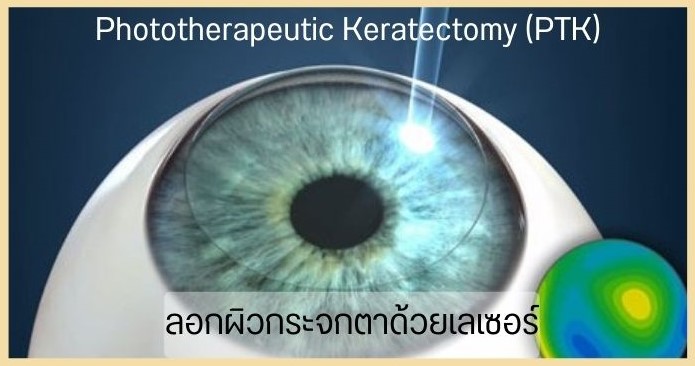
Phototherapeutic Keratectomy (PTK)
PTK is an innovative corneal treatment using an Excimer Laser to smooth and clear the surface of a scarred or cloudy cornea. This procedure improves vision and reduces irritation. It is a non-surgical method that offers fast recovery and high effectiveness.
Which corneal conditions can be treated with PTK?
- Hereditary corneal dystrophies, such as Lattice dystrophy and Reis-Buckler dystrophy.
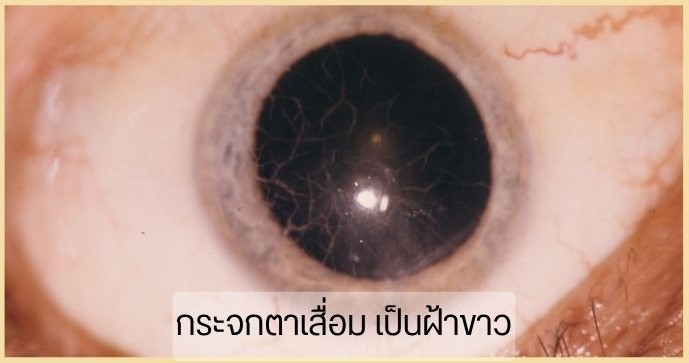
- Superficial corneal scars (if the scar is too deep, a corneal transplant may be required).
- Corneal surface irregularities that cause poor vision.
- Recurrent corneal epithelial erosion (frequent peeling of the corneal surface).
- Bullous keratopathy (blister-like swelling on the cornea that causes constant pain and irritation).
The Treatment Process
The doctor will first apply anesthetic eye drops. The patient lies on a bed and focuses on a green target light. The doctor then uses the laser beam to resurface the cornea, which takes only a short time. Afterward, a protective contact lens and an eye shield are placed over the eye for one week to prevent rubbing. The doctor will schedule periodic follow-up appointments until the wound is fully healed.
PTK is different from LASIK because it does not correct nearsightedness or astigmatism; its purpose is to smooth the corneal surface. Any vision correction (refractive surgery) must be performed later, depending on the doctor's assessment of whether the patient is a suitable candidate for LASIK.