HPV Vaccination (Human Papillomavirus)
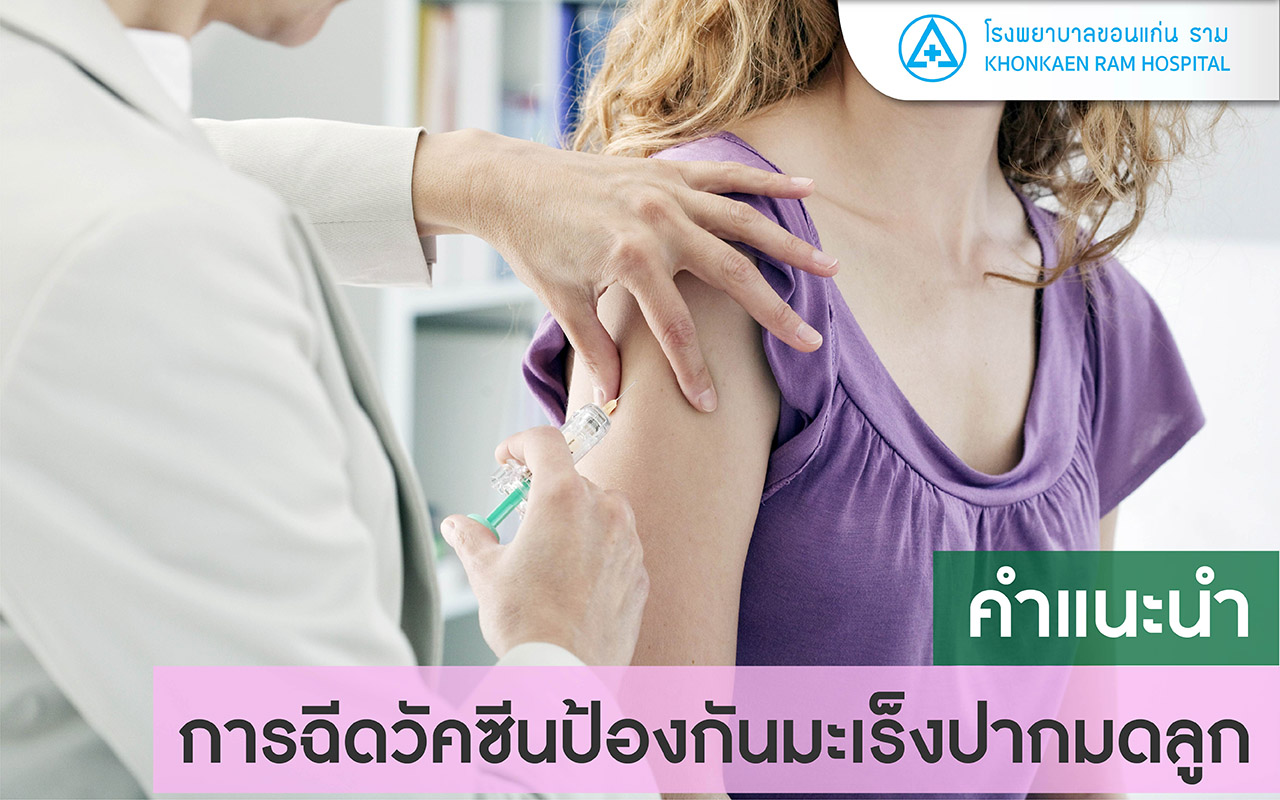
[Image showing the HPV vaccine protecting against various cancers in both males and females]
The HPV vaccine is a vital tool in preventing cervical cancer and other HPV-related diseases. Here are the key recommendations for vaccination:
- Recommended Age: The vaccine is most effective when given between the ages of 9 and 26.
- Optimal Timing: For maximum efficacy, it should ideally be administered before the onset of sexual activity, as the body’s immune response is strongest at a younger age.
- Benefits for All: Beyond protecting women from cervical cancer, the vaccine is also highly recommended for males to prevent genital warts and anal, penile, and oropharyngeal (throat) cancers.
Dosing Schedule
- Children (Ages 9–14): Only 2 doses are required, administered 6 months apart. This simplified schedule provides immune protection equivalent to three doses in older individuals.
- Teens and Young Adults (Ages 15–45): A 3-dose series is recommended to ensure full immunity:
- 1st Dose: At the selected date.
- 2nd Dose: 1–2 months after the first dose.
- 3rd Dose: 6 months after the first dose.
- Note: Even after vaccination, regular Pap smears and cervical cancer screenings remain necessary to protect against HPV strains not covered by the vaccine.
Screening Before Vaccination
- No Prior Sexual Activity: You may proceed with vaccination immediately.
- Prior Sexual Activity: If you have not had a recent Pap smear, it is recommended to undergo screening first. If the results are normal, you can proceed with the vaccine. If abnormal, follow-up treatment will be advised.
- Regular Screenings: If you already undergo regular pelvic exams and screenings, you can receive the vaccine without additional testing.
Warning Signs: Seek Medical Attention Immediately
If you experience chest tightness, heart palpitations, a widespread rash, or severe pain, swelling, and redness at the injection site.
Related Packages
Call us